Guide Rail
Ribless Guide Rail
  • Ribless Guide RailRibless Guide Rail

Ribless Guide Rail

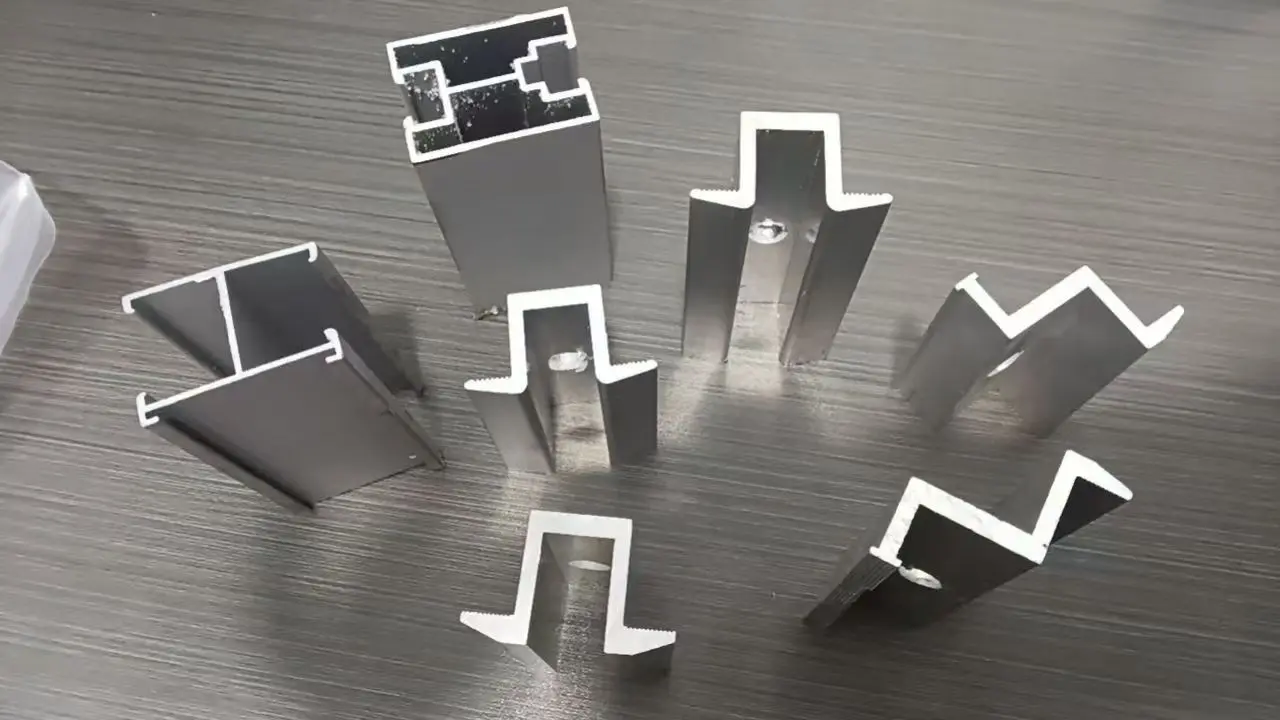
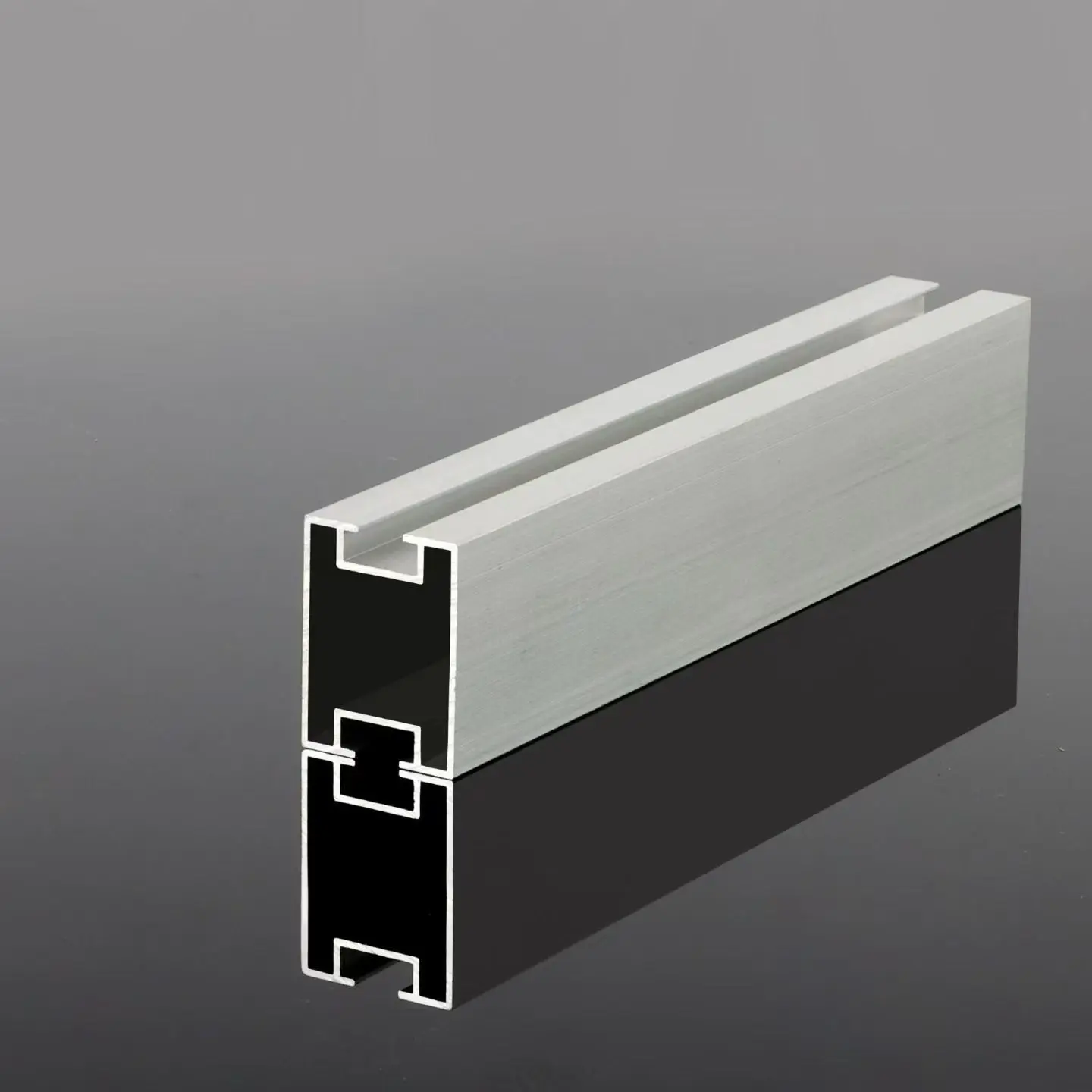
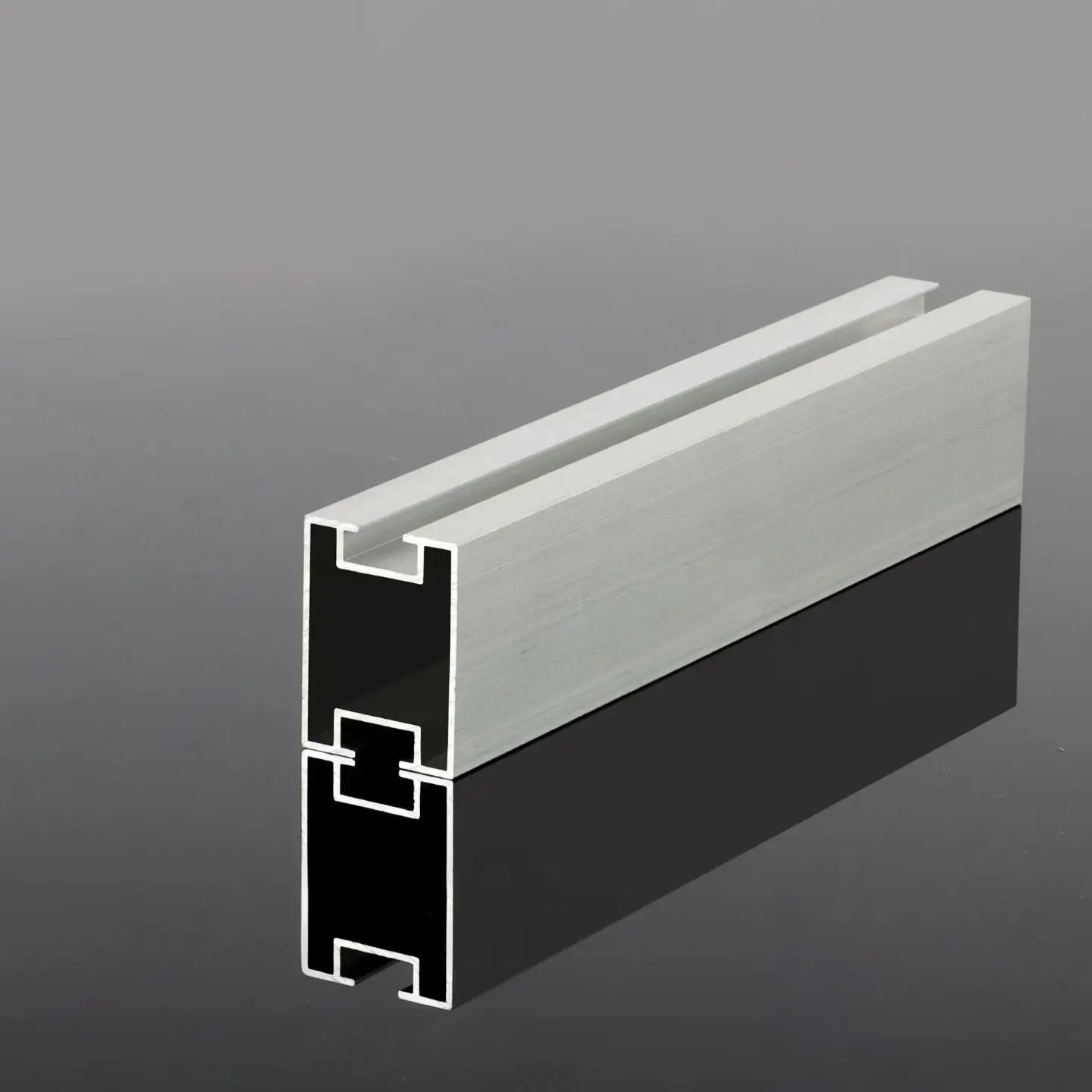
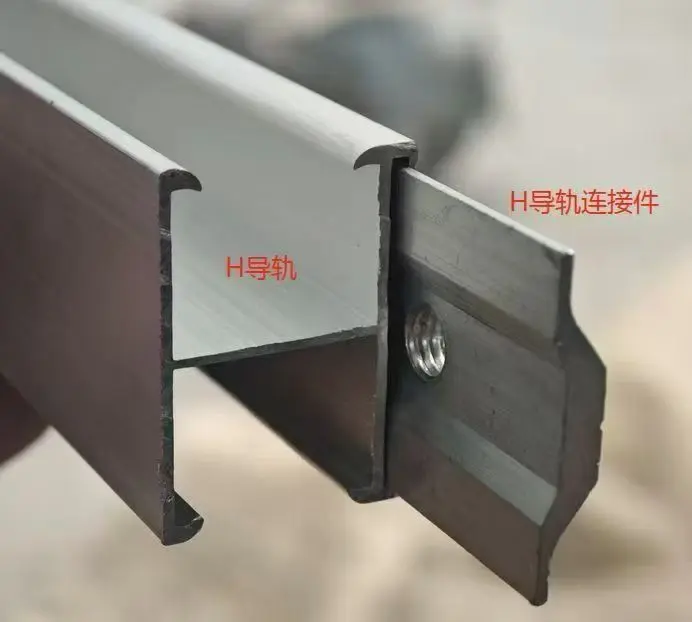
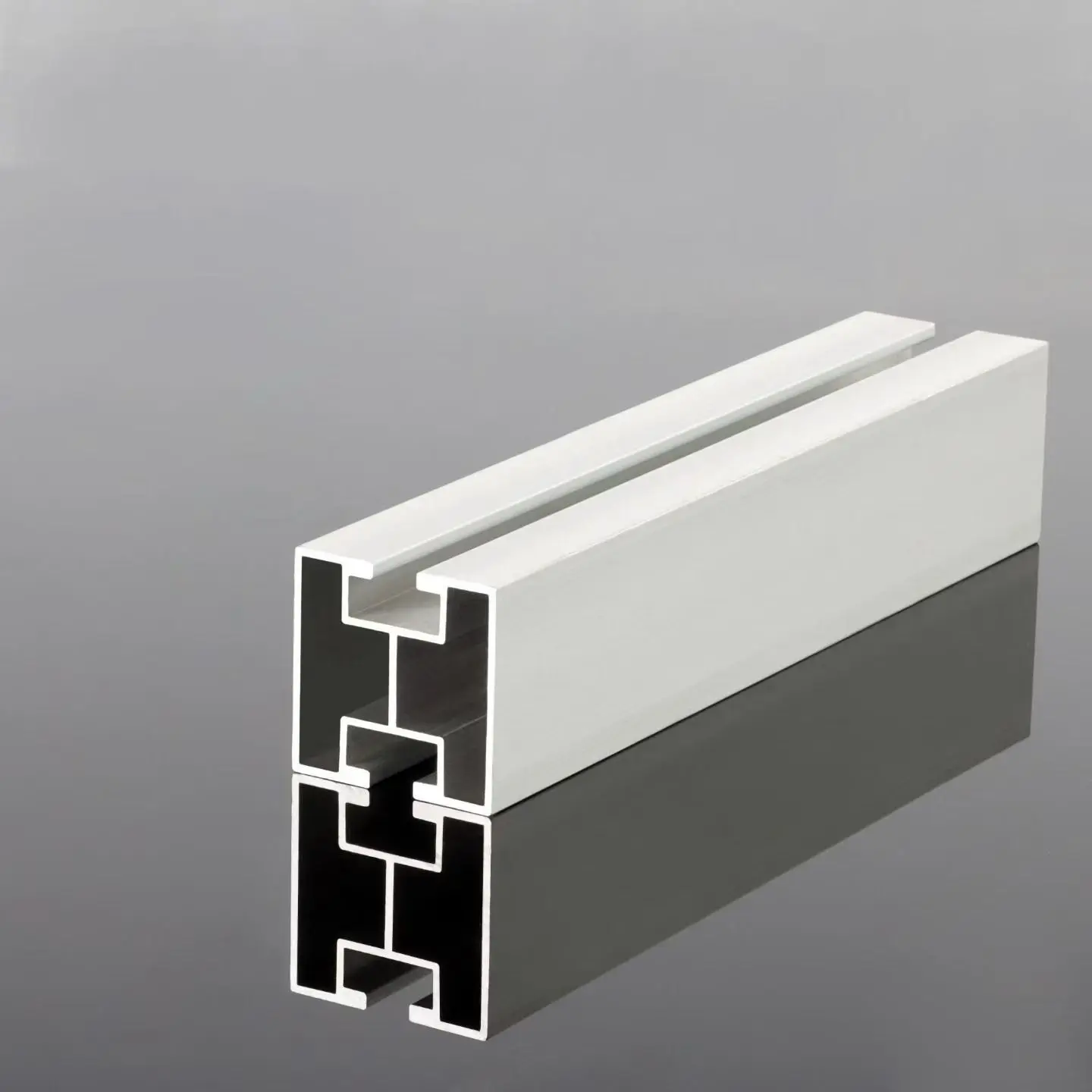
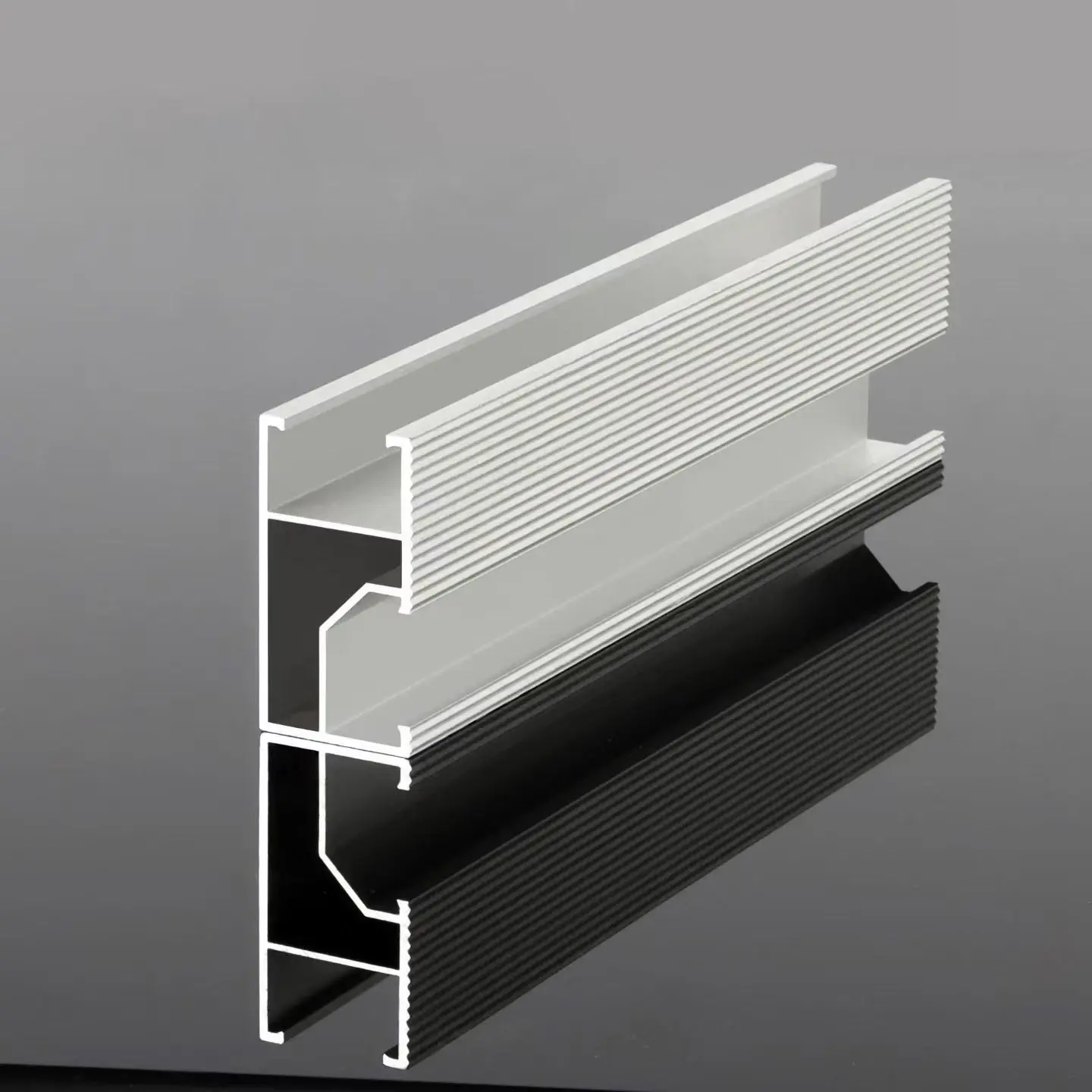
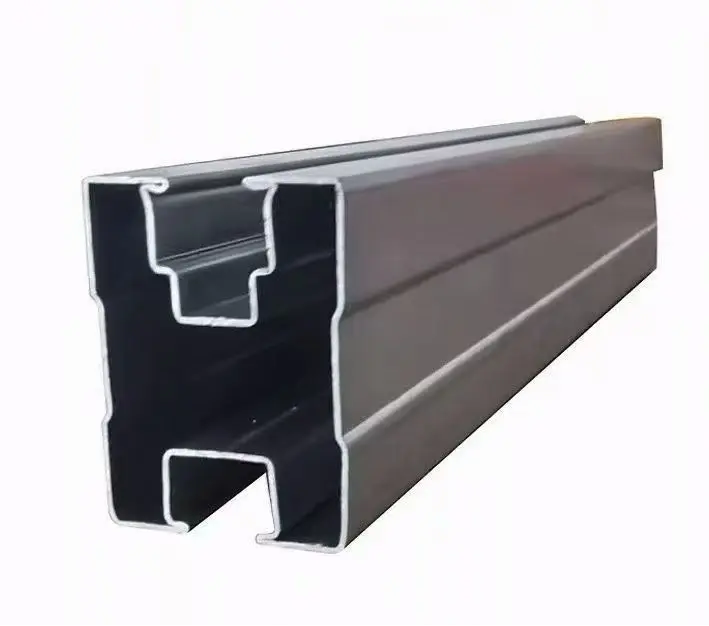
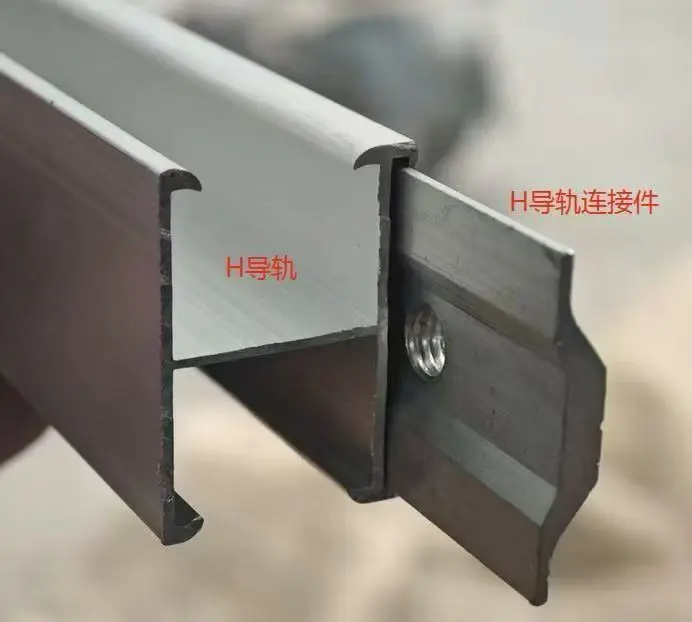
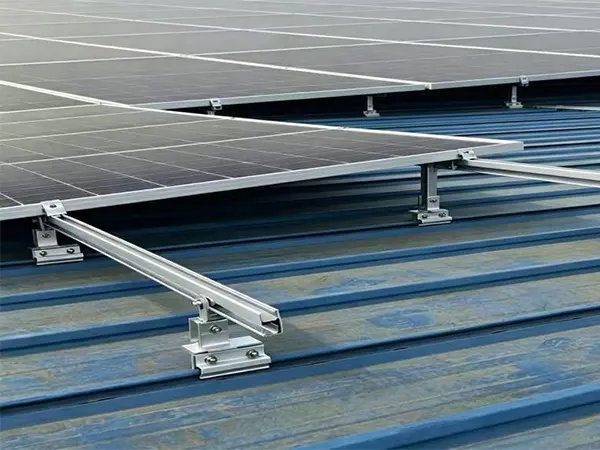
The ribless guide rail manufactured by Guojian is a thin-walled, roll-formed, hot-dip galvanized steel channel with a cross-section devoid of any reinforcing ribs. Eliminating the ribs saves on steel, reduces the number of forming steps, and lowers the unit cost, yet the channel opening remains compatible with standard PV clamps. It is suitable for use on color-coated steel roofs and ground-mounted power plants with capacities of up to 10 MW.

The ribless guide rail is a type of cold-formed steel mounting rail with a cross-section devoid of stiffening ribs. In standard reinforced PV rails, the continuous ribs running the length of the profile—formed via additional punching and bending stages on the roll-forming line—provide the necessary flexural rigidity. Unreinforced rails eliminate these processes, resulting in a simple channel profile; while this reduces flexural rigidity, the design is suitable for projects with moderate wind and snow loads and spans that have been structurally verified.

ribless guide rail

What are the advantages of this rail?

Lower material cost per meter: 

By omitting rib formation, less steel strip is consumed per meter of finished rail. For projects where mounting systems are priced by the ton and the roof has spare load-bearing capacity, this offers a direct cost saving for the overall structure.

Fewer production steps, more reliable delivery: 

The rib punching and subsequent secondary bending stages are eliminated. With fewer forming passes, the production cycle is faster and more predictable, making it easier to meet delivery deadlines for small batches and repeat orders.

Lighter load on the roof: 

Reduced self-weight lowers the dead load borne by purlins and roof panels. For color-coated steel roofs with limited spare load capacity, this factor can be the deciding element in the feasibility of the mounting system design.

Compatible with standard accessories: 

The simple channel profile of ribless guide rail accommodates standard PV mid-clamps and end-clamps; users are not locked into proprietary accessories, allowing for competitive sourcing.

Fully galvanized with clear warranty terms: 

Hot-dip galvanized steel strip ensures the entire cross-section—including cut ends and on-site drill holes—is covered by a uniform, well-bonded zinc layer. Standard supply includes a 15-year anti-corrosion warranty; for harsher atmospheric environments, Zinc-Aluminum-Magnesium (Zn-Al-Mg) steel strip is available with a 25-year warranty. 

Effortless on-site cutting, drilling, and handling: 

The lightweight profile makes it easier for workers to transport, cut to length, and drill in position, effectively shortening the roofing installation window for distributed projects.

Technical Specifications
Item Specification
Product Ribless Guide Rail — cold-formed steel PV mounting rail
Section Plain channel (U-section), no stiffening ribs
Material Hot-dip galvanized steel strip
Forming Cold roll-formed, rib-free, cut to length
Surface treatment Hot-dip galvanized]; Zn-Al-Mg strip available on request
Anti-corrosion warranty 15 years (hot-dip galvanized) / 25 years (Zn-Al-Mg)
Section dimensions give us your span and load case and we will recommend a section
Standard lengths Cut to length for packing and transport
Accessory compatibility Standard PV mid clamps and end clamps
Second-stage machining Cut-to-length and drilling in-house to your drawing
MOQ 1 × 20GP container; smaller trial orders negotiable
Lead time 7–15 working days after deposit received
Trade terms FOB Tianjin New Port / CFR / CIF
Payment 30% T/T deposit, balance against copy of B/L

Application Scenarios for the Rails

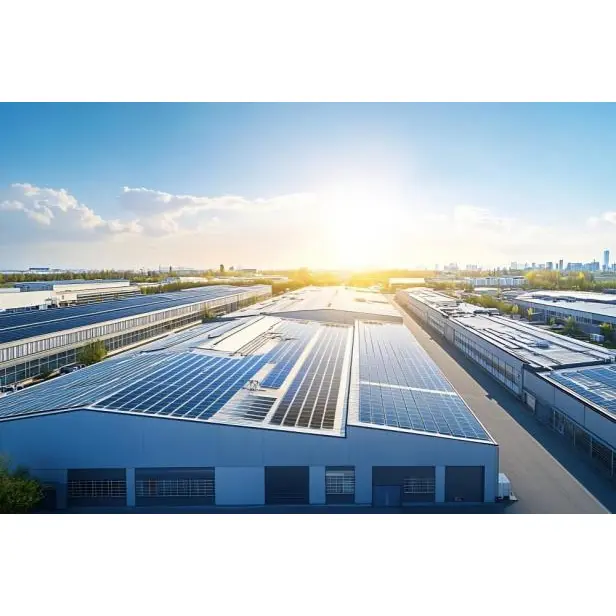
Industrial and commercial (C&I) metal roofs: 

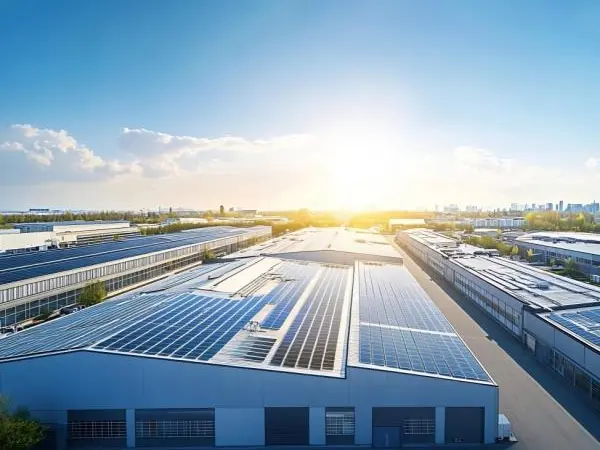
Roofs using standing-seam or trapezoidal metal sheets often have limited load-bearing capacity; the lower self-weight of these ribless guide rails directly reduces the load on the roof. Combined with metal roof clamps, installation is rapid and the racking system cost is low, making this a standard choice for cost-sensitive C&I rooftop projects.

Small-scale ballasted concrete flat-roof plants: 

For ballasted concrete roof projects with small-to-medium installed capacity and moderate wind/snow loads, the rail's function is simply to transfer loads between support points—a plain (non-reinforced) channel profile is perfectly adequate.

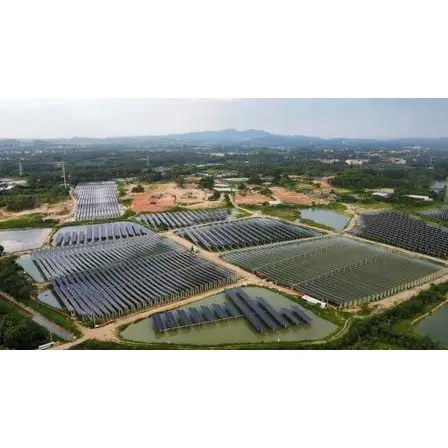
Small-to-medium ground-mounted plants: 

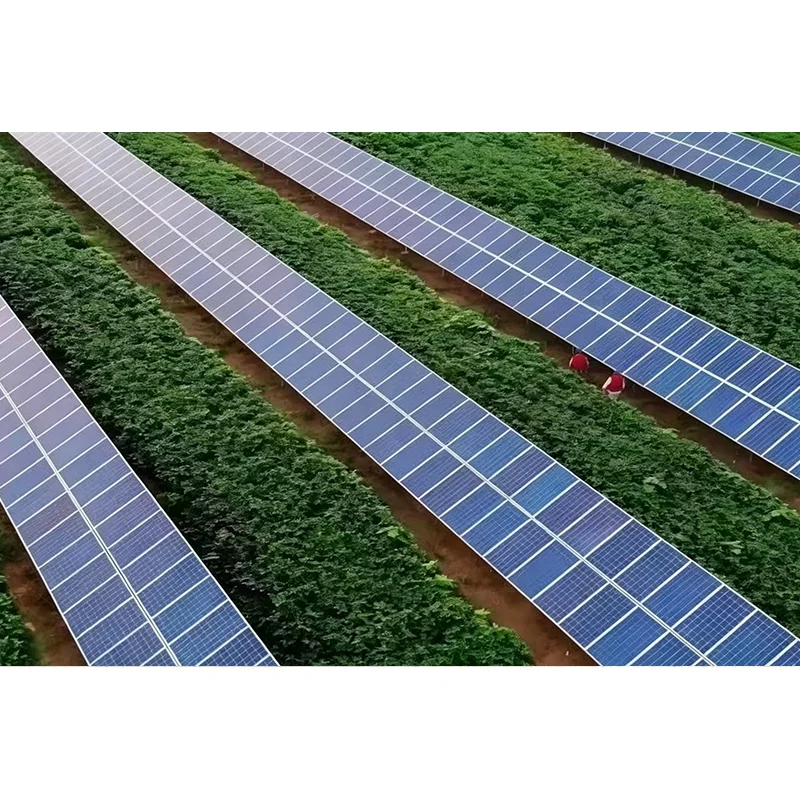
Suitable for projects under 10 MW in plains with low snow and wind loads; in these "grid-parity" projects, the cost-efficiency of the racking system (calculated by tonnage) drives the design.

Residential PV: 

Rural rooftops and small factory buildings; with fewer modules and shorter spans, the non-reinforced profile offers the best cost-performance ratio.

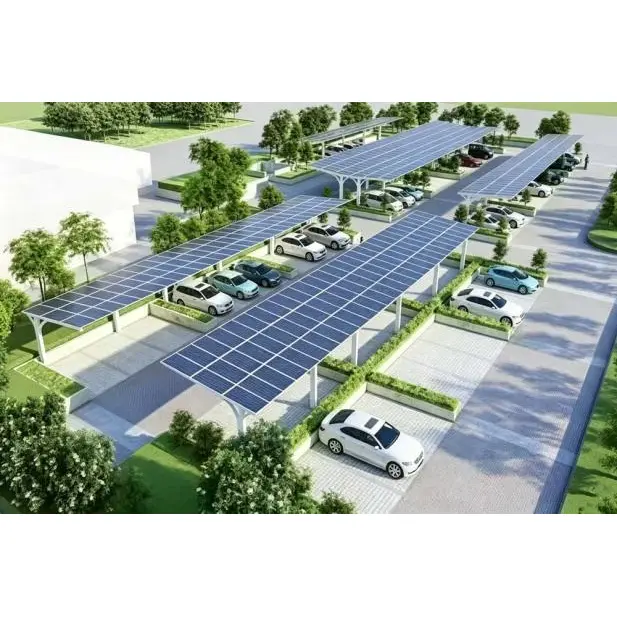
Lightweight PV carports: 

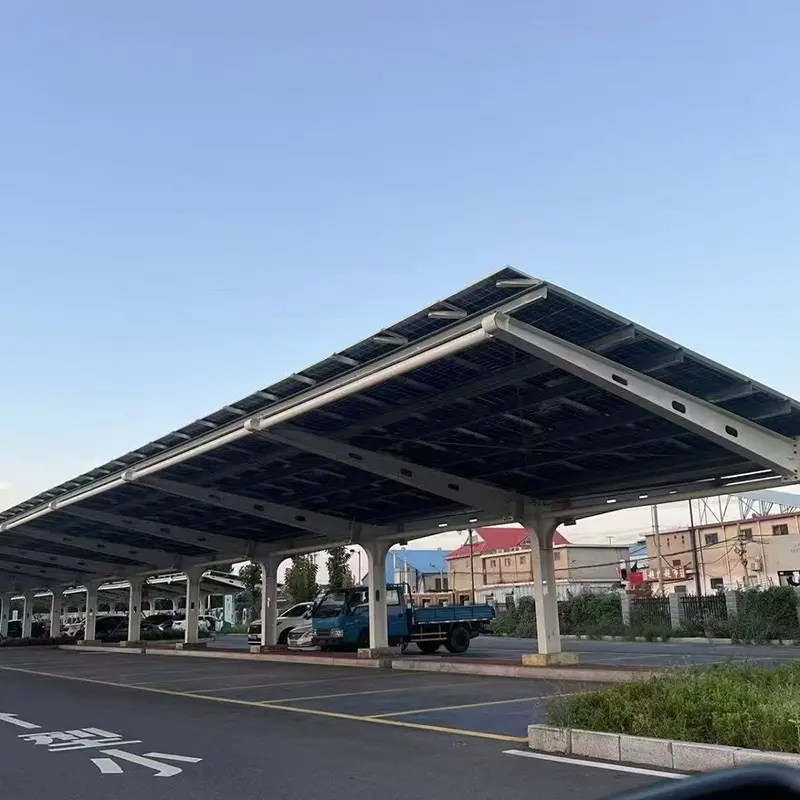
Suitable for simple carports with low loads. Ribless guide rail not suitable for long-span, heavy-load carport roofs—such structures require deeper, reinforced profiles, for which we would propose an alternative design.

ribless guide rail

Installation and Usage Precautions

1. Level and align before fixing: 

Rails must be leveled and kept in a straight line. If a row is misaligned, the modules will inherit this error, creating concentrated stress within the assembly that eventually manifests as long-term deformation.

2. Follow racking specifications for clamp and bolt torque: 

Excessive torque can crush and deform the thin-walled rails, while insufficient torque leads to gradual loosening during thermal cycling. Tightening to the project-specified values prevents both issues. 

3. Leave expansion gaps at joints: 

Rails expand and contract with temperature changes; leaving gaps at joints prevents the profiles from buckling or deforming due to seasonal fluctuations.

4. Install insulation gaskets between the rail and metal roof panels: 

Direct contact between galvanized rails and coated steel sheets can cause electrochemical corrosion; an isolation gasket breaks this galvanic couple.

5. Use only hot-dip galvanized or stainless steel fasteners: 

Mixing metals at joints creates a galvanic couple where the component with the smaller surface area corrodes first. Fastener materials must be compatible with the rail's coating.

6. Do not step on the middle of the rail: 

The mid-section of a ribless guide rail has the lowest structural rigidity. If stepping on the rail is unavoidable during work, step directly above a support point. For projects requiring frequent roof access for maintenance, please inform us in advance so we can recommend a deeper profile section.

FAQ

Q1: How do I determine if my project is "light" enough to use this rail? 

A: Assess the site conditions first, rather than just the catalog. The ribless guide rail is suitable for industrial/commercial color-steel roofs, small ballasted flat roofs, residential roofs, and ground-mounted plants (up to ~10MW) in areas with moderate wind and snow loads. If the project is in a high-snow-load or typhoon-prone zone, or involves long, unsupported spans, the correct choice is a reinforced rail or a thicker profile.

Q2: Can the rail be custom-punched or cut to specific lengths? Is it available for separate purchase? 

A: Yes, we support custom cutting and punching, and the rails can be purchased separately without the full PV mounting system. Standard specifications are kept in stock, while non-standard specifications are manufactured according to project drawing parameters.

Q3: What is the guaranteed anti-corrosion lifespan? 

A: Hot-dip galvanized rails come with a 15-year anti-corrosion warranty; the Zinc-Aluminum-Magnesium (Zn-Al-Mg) option offers a 25-year warranty and is recommended for coastal areas or other harsh atmospheric environments. Both warranty options cover coating performance under normal outdoor PV operating conditions.

Q4: Can you assist with span and load calculations? 

A: Yes, and we strongly recommend performing these calculations for unreinforced profiles. Please provide us with the module layout, design wind and snow loads, and your planned rail spacing; our technical team will verify the appropriate span and profile—and if unreinforced rails are unsuitable for the site, we will inform you directly.

Q5: What are the most important considerations for on-site installation? 

A: Four points are critical: level and align each row of rails before securing them; tighten clamps to the project-specified torque rather than relying on feel; leave expansion gaps at connection points; and strictly avoid stepping on the center of unreinforced rails, as the mid-span area has the lowest rigidity. Installation and handling instructions are included with every order, and our technical team is available to answer questions throughout the installation process.


Related Category
Send Inquiry
Contact Info
  • Address

    No. 2, Expressway Auxiliary Road, South Area of High-tech Industrial Park, Zitai Economic and Technological Development Zone, Tianjin, China

Get Solar Mounting Bracket, Steel Structure, Mounting Accessories insights or pricing: Leave your email below, and we’ll reach out promptly (within 24 hrs).
X
We use cookies to offer you a better browsing experience, analyze site traffic and personalize content. By using this site, you agree to our use of cookies. Privacy Policy
RejectAccept