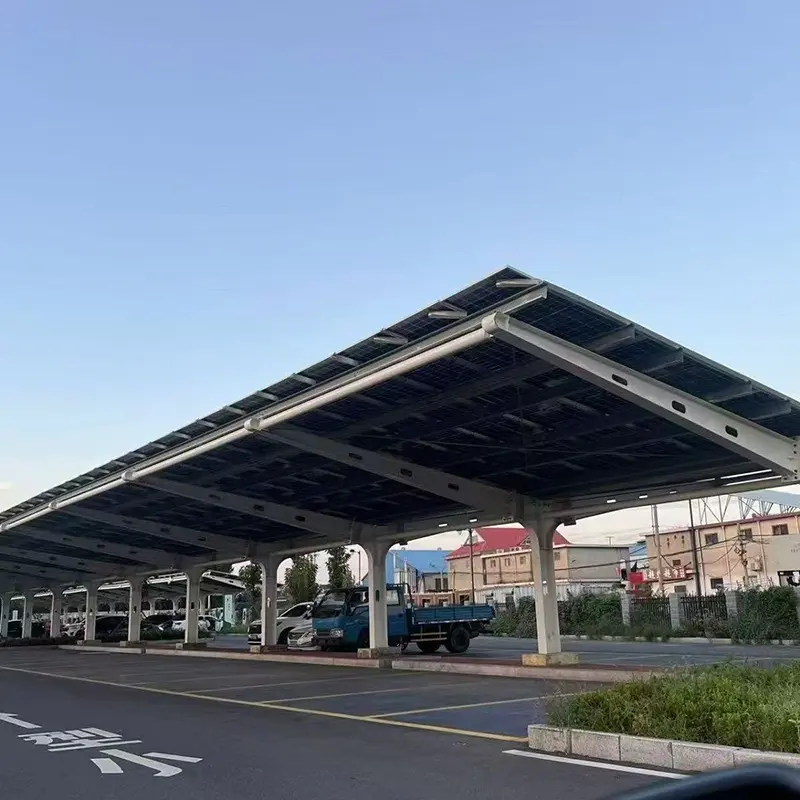
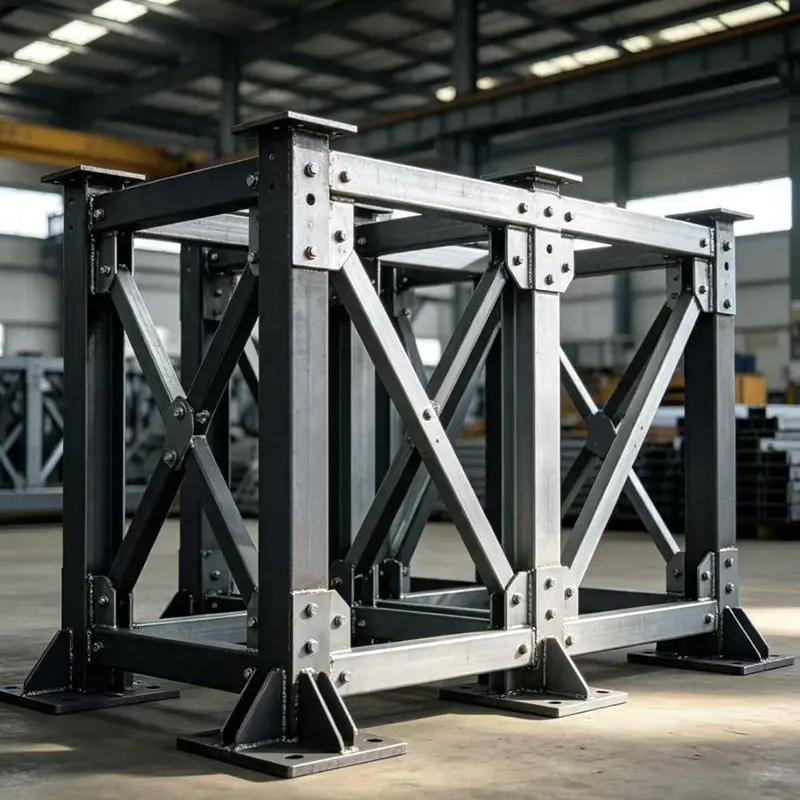
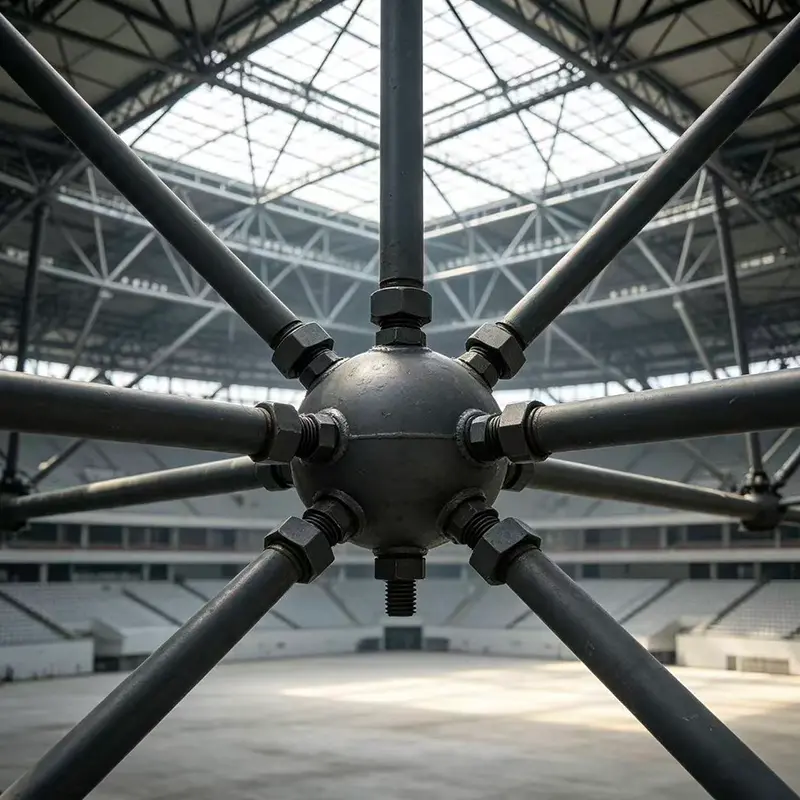
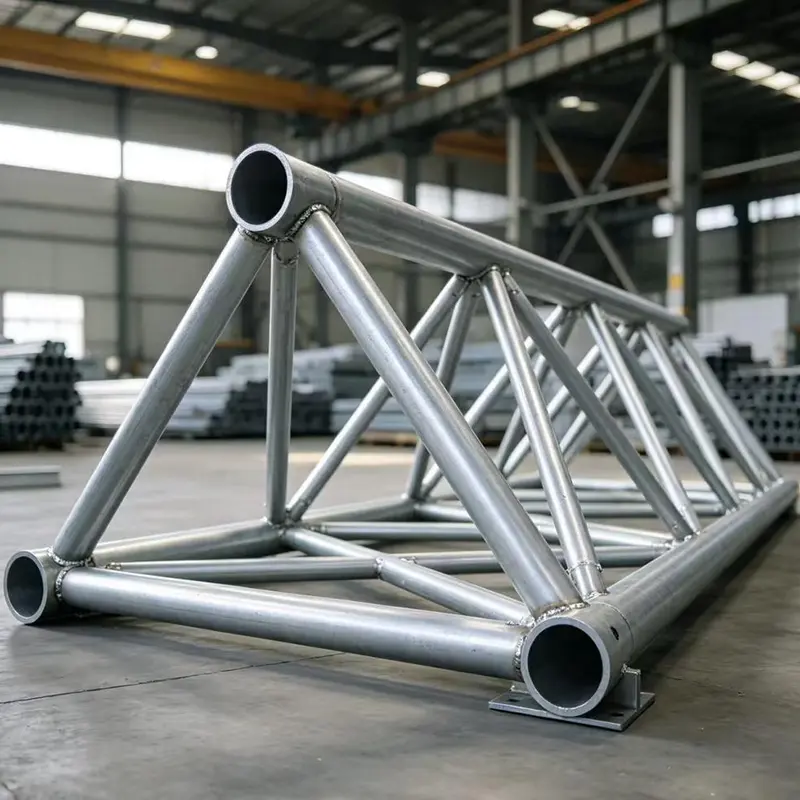
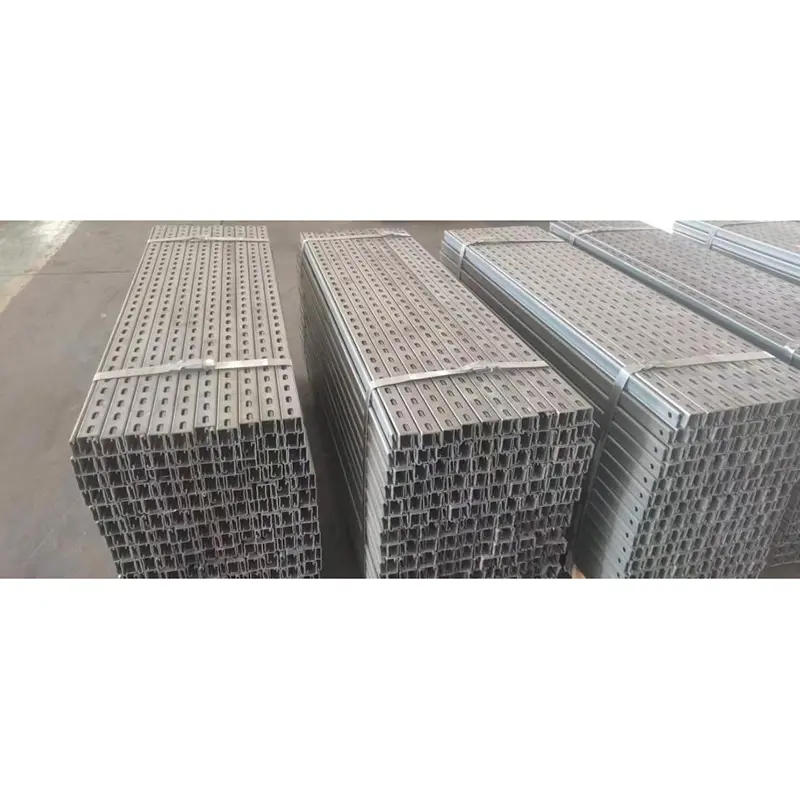
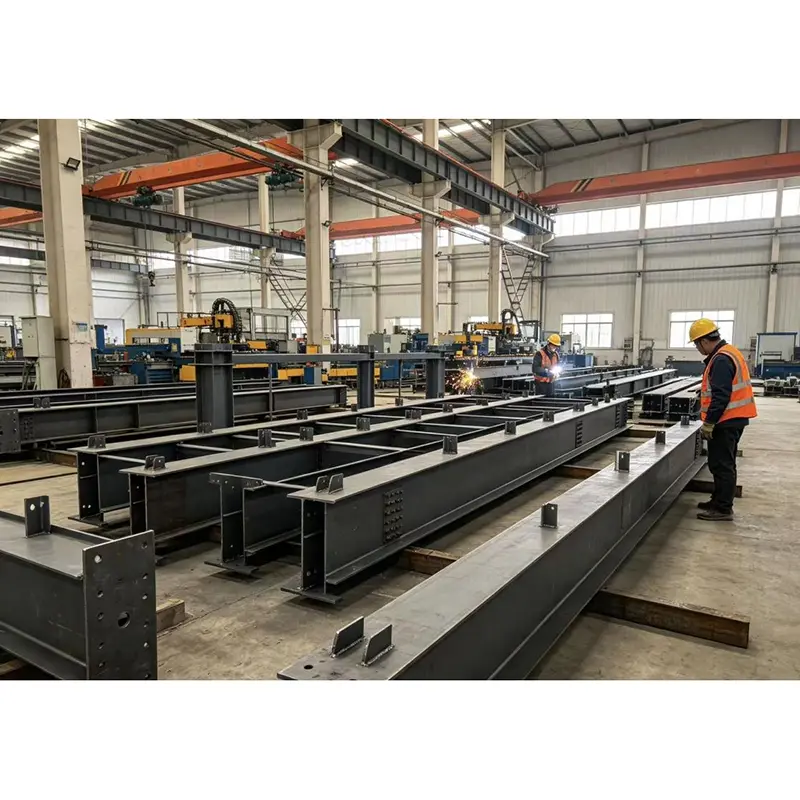
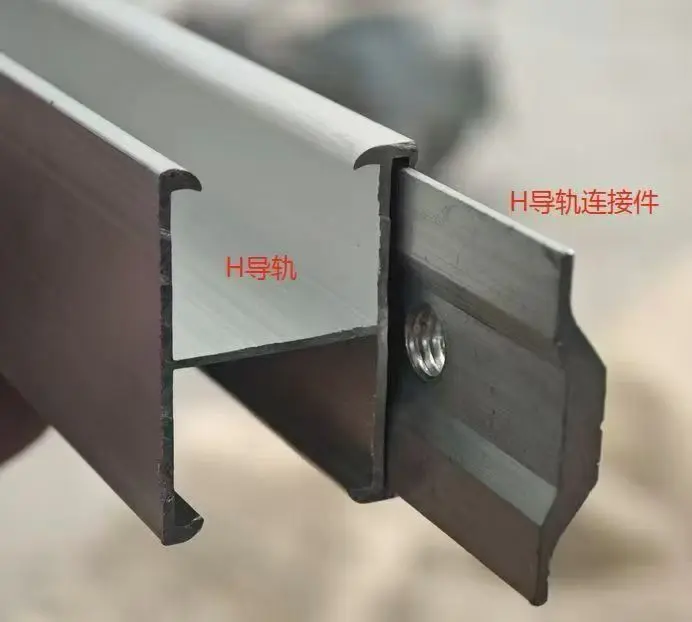
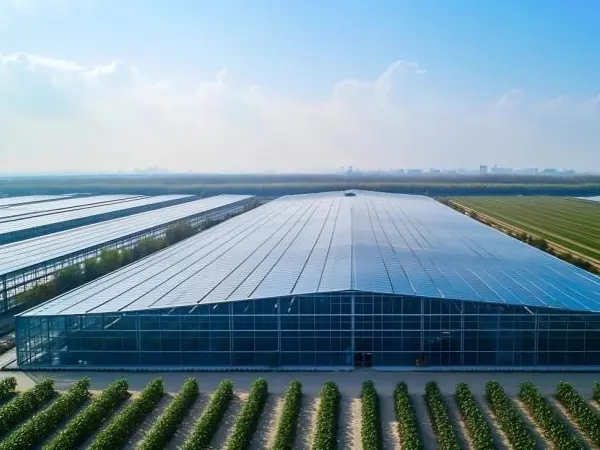
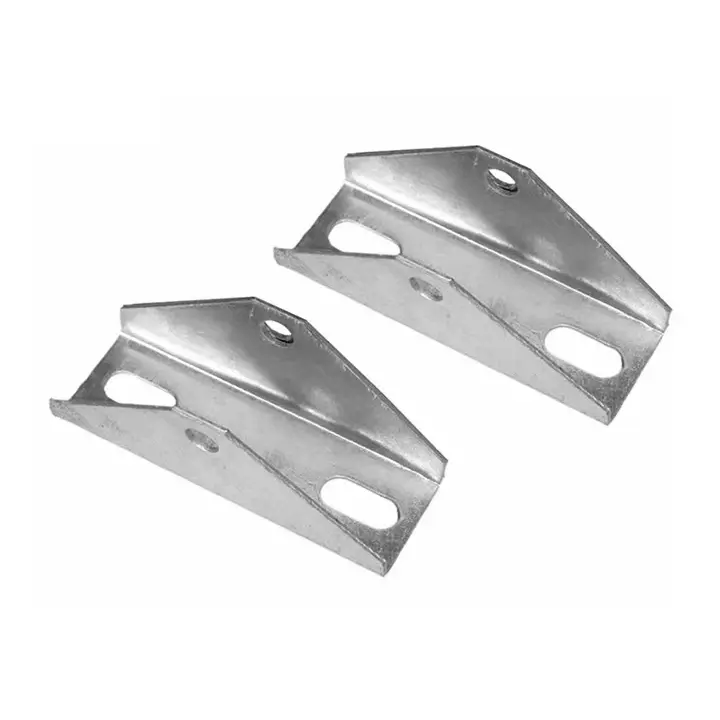
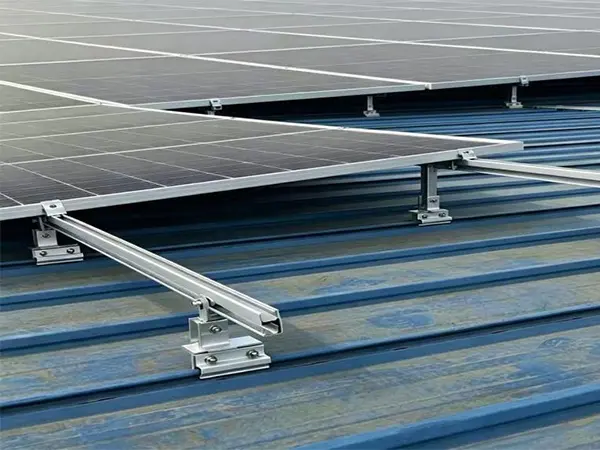
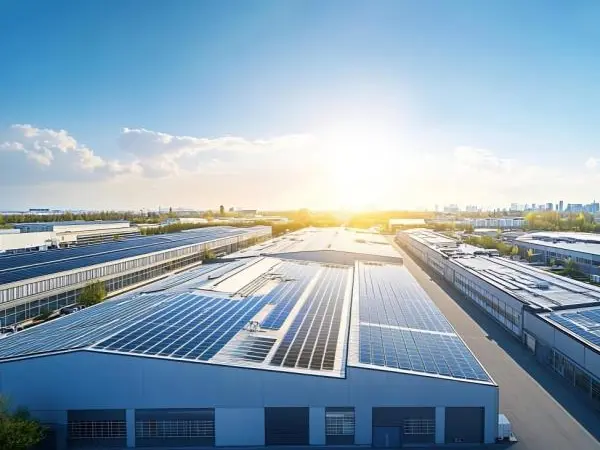
Guojian manufacturer undertakes the processing of building main steel structures and various special-shaped non-standard steel components, including portal steel frames, box-shaped beams and columns, equipment load-bearing bases, building mezzanines, outdoor maintenance steel ladders, pipeline supports, etc. Steel structures are not standardized ready-made products; all are completed based on construction blueprints through detailed drawing, cutting, assembly, welding, hole-making, etc., and most processes are completed within the factory premises. After the finished products are transported to the project site, they are directly lifted and assembled, effectively reducing high-altitude welding operations. For chemical plant areas, open-air high-humidity environments, and ordinary indoor workshops, different levels of protection schemes can be matched. We have participated in numerous new factory construction, factory renovation, and warehouse construction projects, and are familiar with the difficulties of on-site lifting and assembly, and can provide optimization suggestions for existing process hazards in the original drawings to avoid on-site assembly misalignment and installation obstacles and other construction troubles.
Interpretation of Building Steel Structures
Building steel structures are an engineering structural system using steel as the main load-bearing component. They are composed of H-shaped steel, box-shaped columns, load-bearing steel beams, lateral support, stiffening plates, and various connection accessories, assembled together by high-strength bolts or fusion welding, and bear the building's own weight, wind and snow loads, and equipment dynamic and static loads. Compared with traditional concrete structures, steel structures have lower self-weight, excellent anti-deformation ability, and do not need to wait for concrete to cure and solidify. They can serve as the main load-bearing framework of the entire building, or act as equipment bases, maintenance passages, and overhead corridors, and are very suitable for large-span, heavy-load, and tight-schedule engineering projects. Our Steel Structure series includes products such as Truss Steel Structure, Special Heavy-Duty Steel Structure, and others.
Reference for Component Selection
For different project conditions, corresponding steel specifications and processing plans need to be matched. The selection process mainly considers the following conditions:
1. Actual load of the engineering project: including building self-weight, vehicle load, equipment weight, local wind and snow parameters, etc., to select the thickness of plates and profiles;
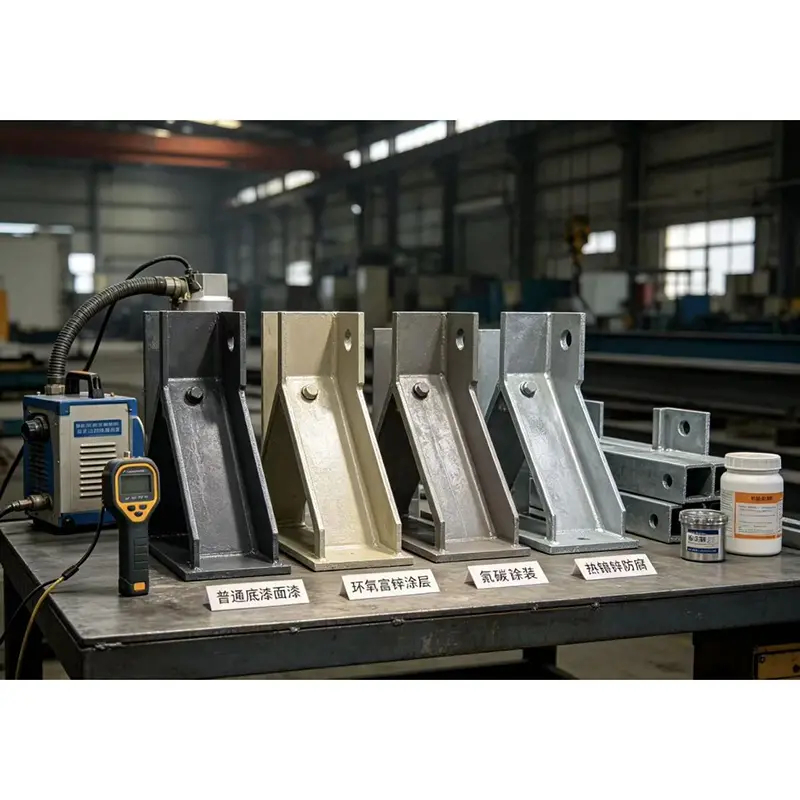
2. Project location: indoor dry workshops can use regular anti-rust coatings; outdoor open-air environments require thick anti-rust layers; chemical corrosion areas should prioritize hot-dip galvanizing anti-corrosion processes;
3. On-site construction conditions: site lifting capacity, transportation height and width limits, will determine the disassembly method of components, large pieces can be divided into multiple units for factory production and then assembled on site;
4. Later use planning: if the building has subsequent expansion or layer addition requirements, structural reserves should be reserved in the early selection stage.
Application scenarios of implementation
The processed steel components are widely used in industrial infrastructure and municipal supporting fields. In heavy industry workshop construction, the processed steel structures as the main load-bearing framework are suitable for continuous heavy loads brought by crane operation and heavy machine placement; in logistics storage projects, large-span warehouse bodies are created to achieve internal few or even no column spaces, improving warehouse stacking utilization; in factory renovation and expansion projects, they are used to build new mezzanines, equipment operation platforms, steel ladders, and various pipeline supports; in municipal projects, they are used for pedestrian walkways, entrance canopy rain shelters, and small structures. For chemical parks with high corrosion levels, we will upgrade the entire anti-corrosion process to ensure the long-term stable service of components.
Production process flow of the entire set
Raw materials are first verified for material certification documents, sample tests are conducted on the performance of profiles and plates, and unqualified raw materials are directly returned. The production process is as follows: detailed drawing and disassembly of blueprints → cutting and trimming of CNC equipment → correction and leveling of components → assembly and fitting of components → welding → non-destructive testing of key weld seams → grinding and cleaning of burrs and welding slag → rust removal treatment → coating/heat-dip galvanizing protection treatment → size verification of finished products → numbering and marking for storage.
All key processes retain inspection records, and customers can request to access relevant inspection materials.
Key points of quality control
Quality inspection runs through the entire production process, not just during the final product stage. During the material entry process, the brand and mechanical properties are checked; after cutting, the size deviations of parts are inspected; After welding is completed, ultrasonic testing is carried out on key parts to check for internal pores and cracks in the weld seams; the rust removal process controls the rust removal grade standard; the painting process controls the thickness of the paint film; and the finished product stage rechecks the overall shape, hole positions, and component numbers. All non-conforming workpieces will be separately processed for rework and will not be included in the packaging and shipment process. We also support customers in entrusting third-party institutions to conduct on-site inspections and issue formal inspection reports for project acceptance.
Project Cooperation Explanation
We have dedicated technical personnel who will interface with customer drawings and conduct feasibility assessments of the process. We do not simply process according to the drawings but will also provide improvement suggestions based on production and lifting conditions. We can undertake both large-scale batch components and small-scale irregular non-standard parts. During the project execution, we will simultaneously output complete project materials such as material lists, ultrasonic inspection reports, and packing lists to meet the requirements of completion acceptance and inspection. If there are difficulties in on-site assembly, we can provide online technical support to assist in the smooth progress of the project.
Frequently Asked Questions
Q1: Is this a physical processing factory? Can we arrange a visit?
A: We are a physical processing factory. We welcome reservations for on-site visits to the workshop for inspection. We can also provide real-time video connections to the workshop.
Q2: Is there a minimum order quantity for steel structure processing? Can we make small sample pieces?
A: There is no hard limit on the minimum order quantity. Both large-scale projects and small-scale irregular non-standard parts can be connected. We can process small samples, and the logistics cost of the samples is generally borne by the purchasing party.
Q3: Can we directly use the construction drawings provided by the customer for processing?
A: We support custom production based on the customer's drawings. After receiving the drawings, we will first conduct a process review, mark the points that need to be confirmed and adjusted, and communicate and confirm before starting production.
Q4: How long does the overall production cycle of the components take?
A: For standard components, the production cycle is 12-18 working days; for complex-shaped irregular components, the production cycle is based on the production plan confirmed in the drawings.
Q5: What contents does the quality guarantee of steel structure components cover?
A: The component body provides a 10-year warranty; damages caused by unauthorized cutting and modification, external impact, or exceeding the design load are not covered by the warranty.
Q6: Can we provide relevant technical documents for inspection?
A: Yes, we can provide materials certificates, weld inspection reports, coating inspection records, etc., as needed, for project acceptance.
Purchase Considerations
When customers submit requirements, they should provide complete construction drawings and clearly state the project location, environmental corrosion grade, wind and snow load conditions, on-site lifting conditions, and project schedule requirements. This will facilitate us in accurately completing the disassembly of drawings, material selection, and process planning. Overall process: demand communication → drawing review and confirmation → cost calculation → contract signing → production scheduling → multiple rounds of quality inspection → packaging and shipment.