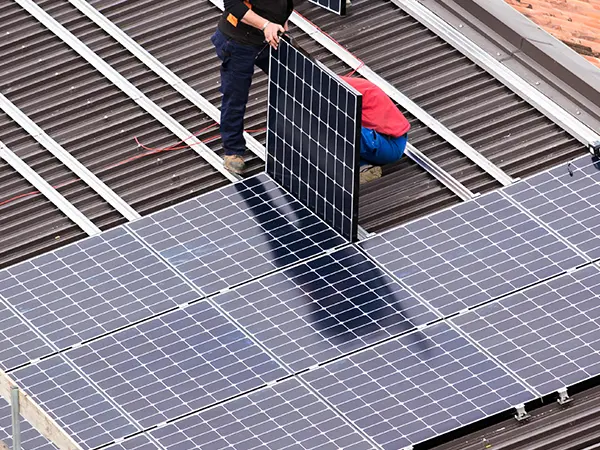
The Solar Mounting Bracket produced by Guojian supplier are compatible with the vast majority of mainstream photovoltaic modules on the market. They can securely support photovoltaic panels in various outdoor climatic conditions. According to the environmental conditions of the project location, such as coastal salt spray areas, snowy and high-altitude regions, or ordinary inland sites, corresponding support materials and surface treatment schemes can be flexibly selected. Most components of the support structures are prefabricated in the factory, effectively reducing cutting and welding operations at the construction site and improving installation efficiency. Whether customers purchase standard-sized photovoltaic support structures or need non-standard size modifications, our engineering team can provide suitable support layout solutions based on the actual parameters of the project. A large number of photovoltaic support structures have been implemented in various real photovoltaic projects, accumulating rich and complex project practical experience.
What is a photovoltaic support structure?
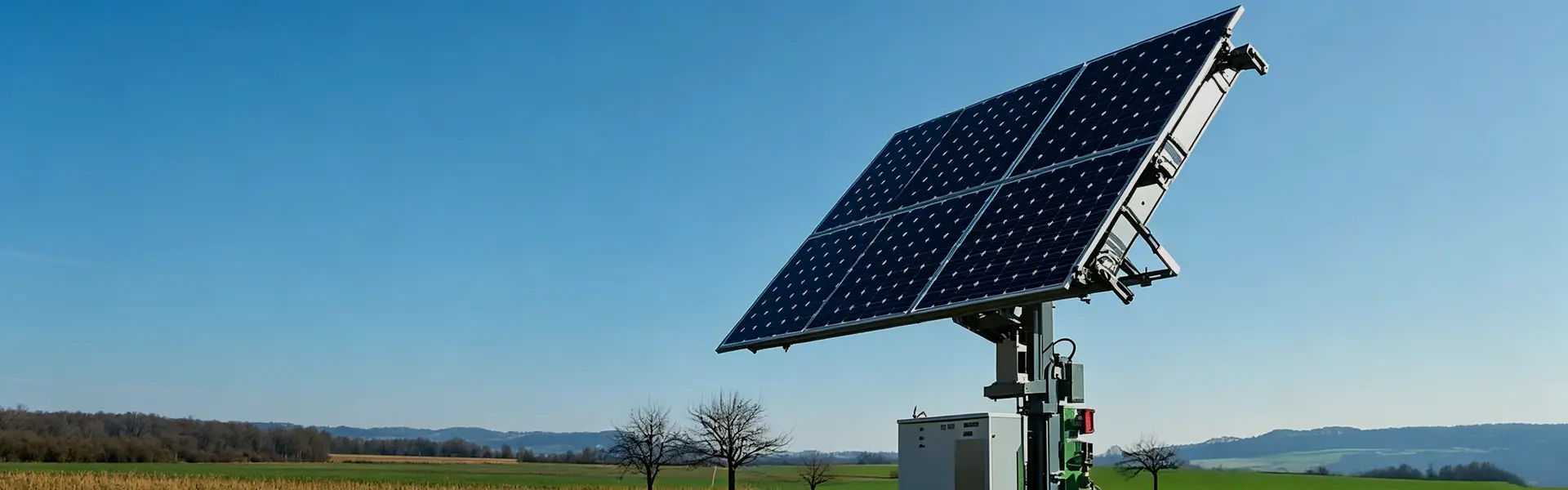
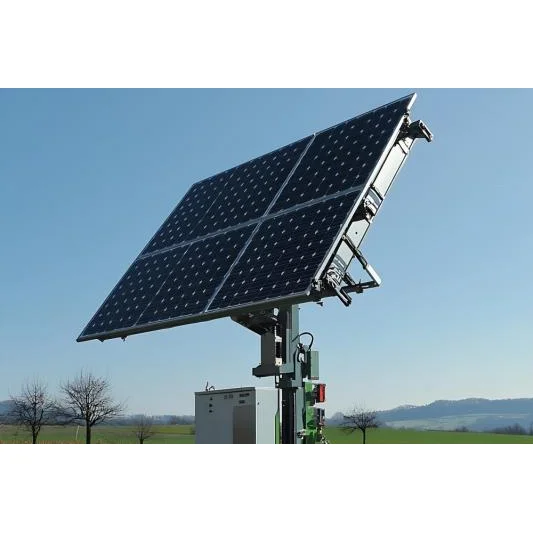
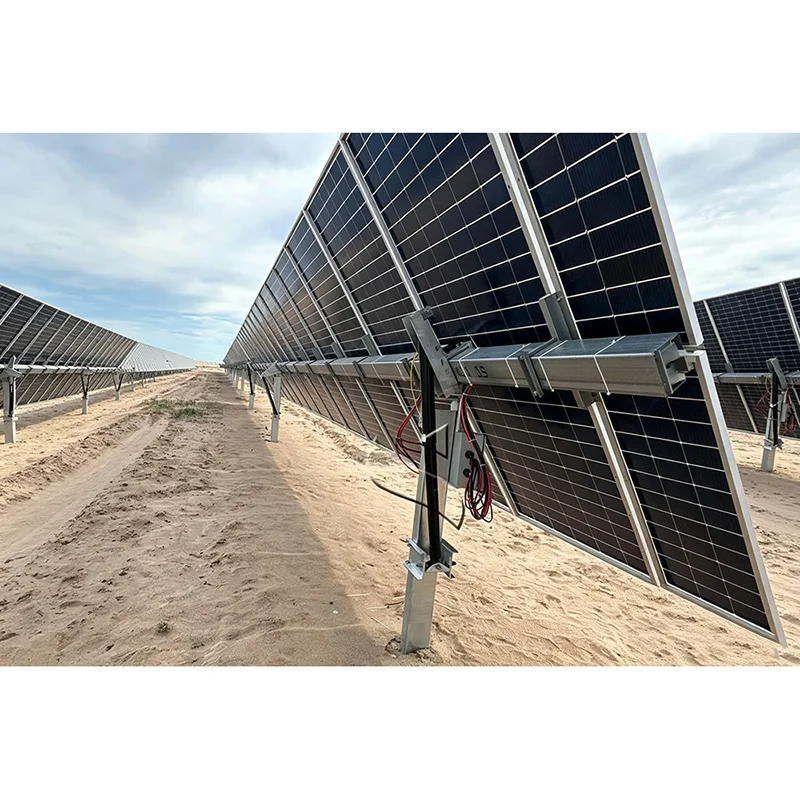
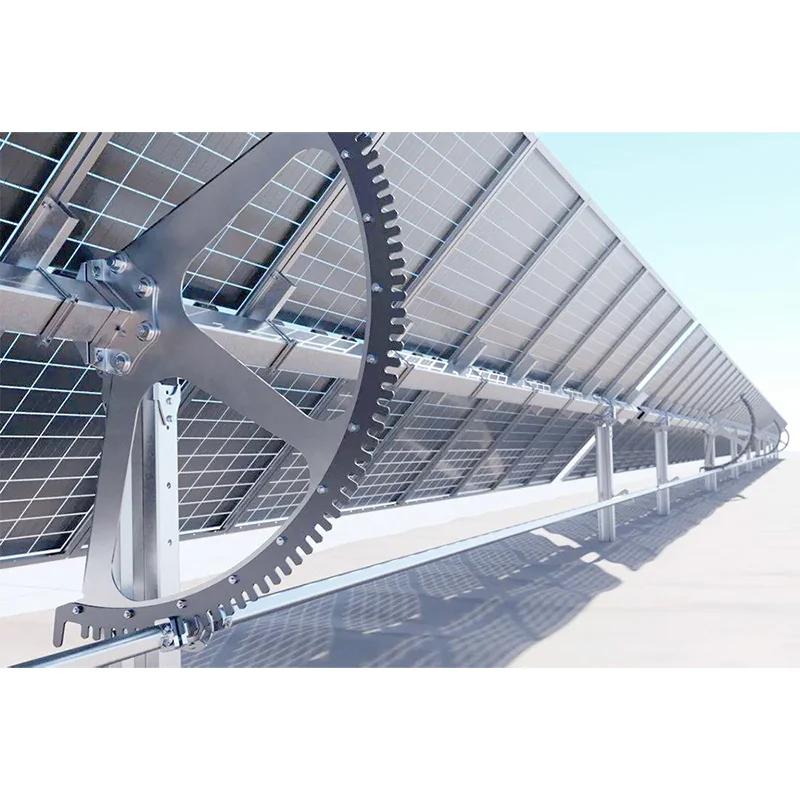
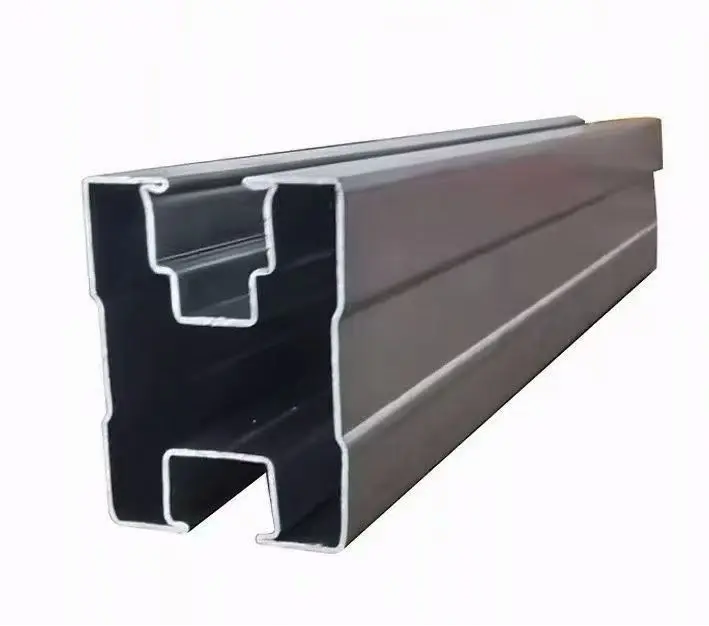
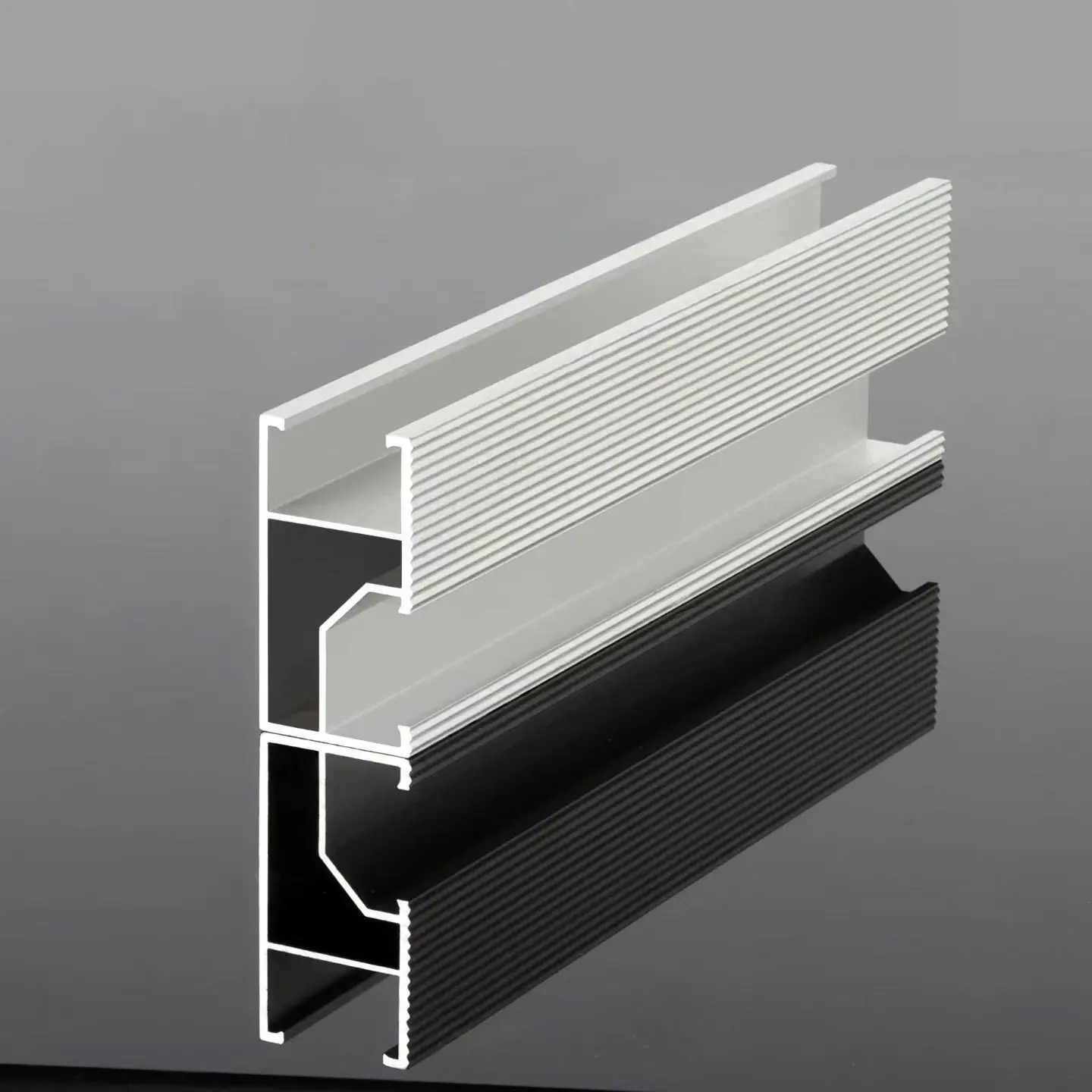
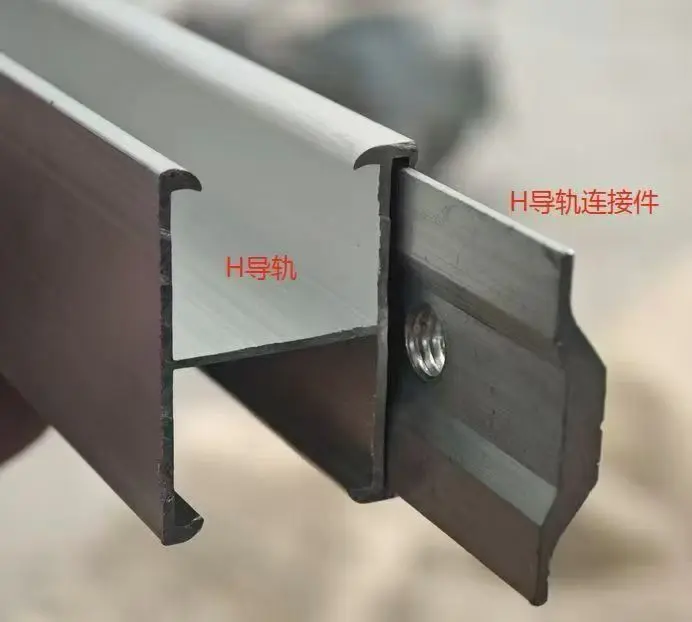
A photovoltaic support structure, also known as a photovoltaic module support system, belongs to the core load-bearing framework of a photovoltaic power station. Its main function is to fix photovoltaic modules at the appropriate inclination position, bear various loads such as wind pressure, snow pressure, and self-weight, and safely transfer all external forces to the roof or ground foundation. Without a reliable photovoltaic support structure, it is difficult for photovoltaic modules to achieve long-term stable operation. A complete photovoltaic support system includes rails, columns, pressure blocks, connectors, hooks and other various hardware components. Through different component combinations, it is suitable for various installation scenarios such as tiled roofs, color steel tile roofs, concrete flat roofs, and open-air ground power stations. A high-quality photovoltaic support structure will simultaneously consider structural safety, on-site installation efficiency, and the overall project investment cost. Our Solar Mounting Bracket series includes products such as Smart Solar Tracking System, Tilted Single-Axis Solar Tracker System, and others.
Core product advantages
1. Multiple material options: Various materials such as hot-dip galvanized carbon steel, zinc-aluminum-magnesium steel, and anodized aluminum alloy can be selected, taking into account the corrosion resistance level and project budget, and adapting to different regional environmental requirements.
2. Strong site adaptability: Modular design, adjustable inclination, can cope with various terrains and building structures, reducing the restrictions of site conditions on photovoltaic installation.
3. Efficient on-site construction: Components are prefabricated in the factory, with standardized accessories as the main body, reducing secondary processing at the construction site and shortening the overall construction period of the photovoltaic project.
4. Long service life: Mature surface anti-corrosion process, delaying rusting and aging, with a design usage period of up to 20-25 years, matching the full life cycle of photovoltaic modules.
5. Later expansion and expansion: The photovoltaic support system supports later photovoltaic array capacity expansion and modification, allowing for flexible expansion when the project scale expands.
Application scenarios
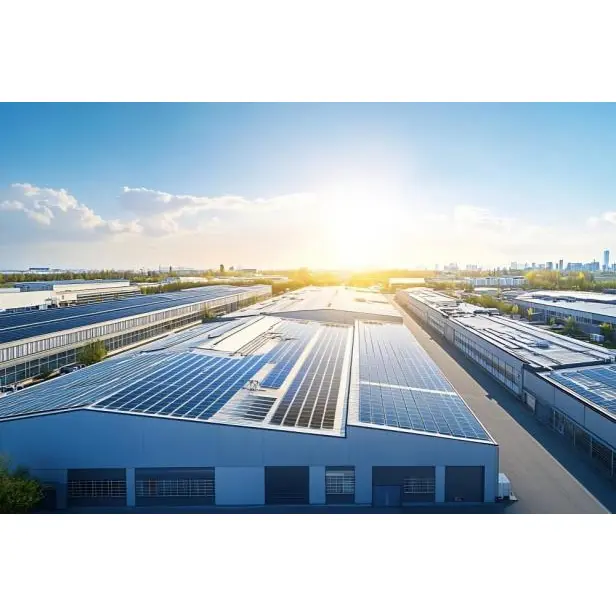
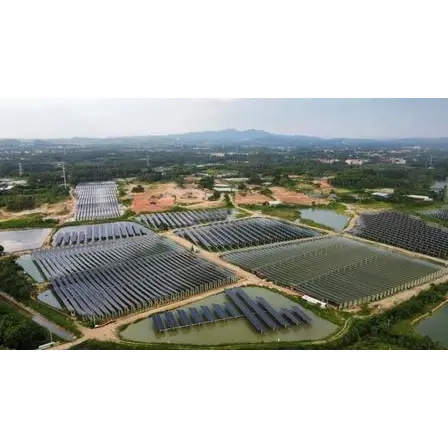
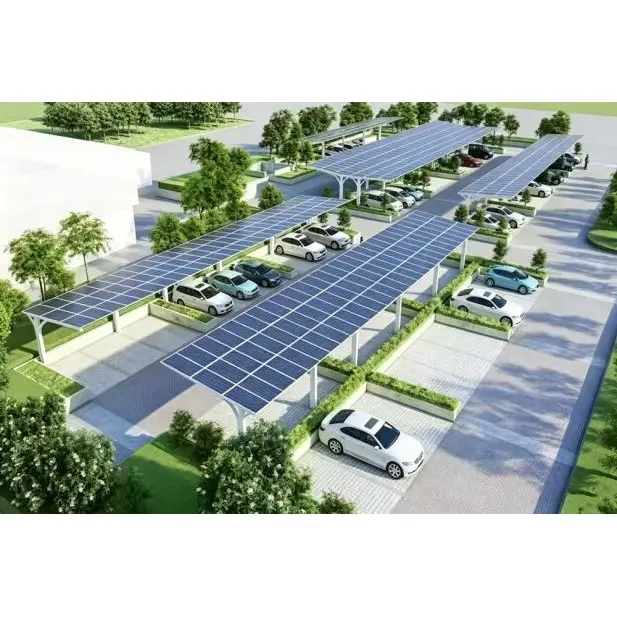
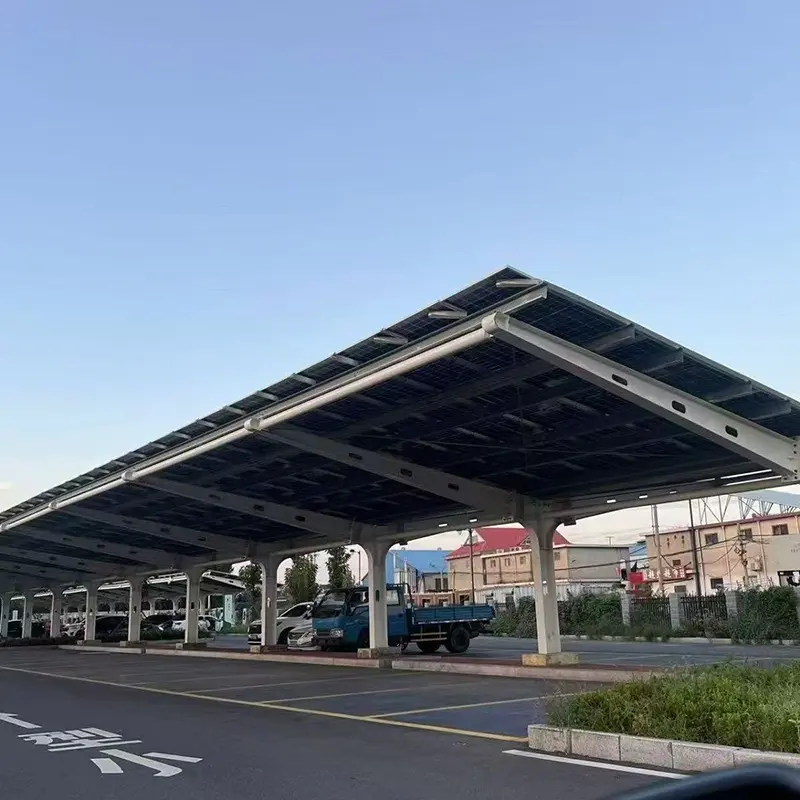
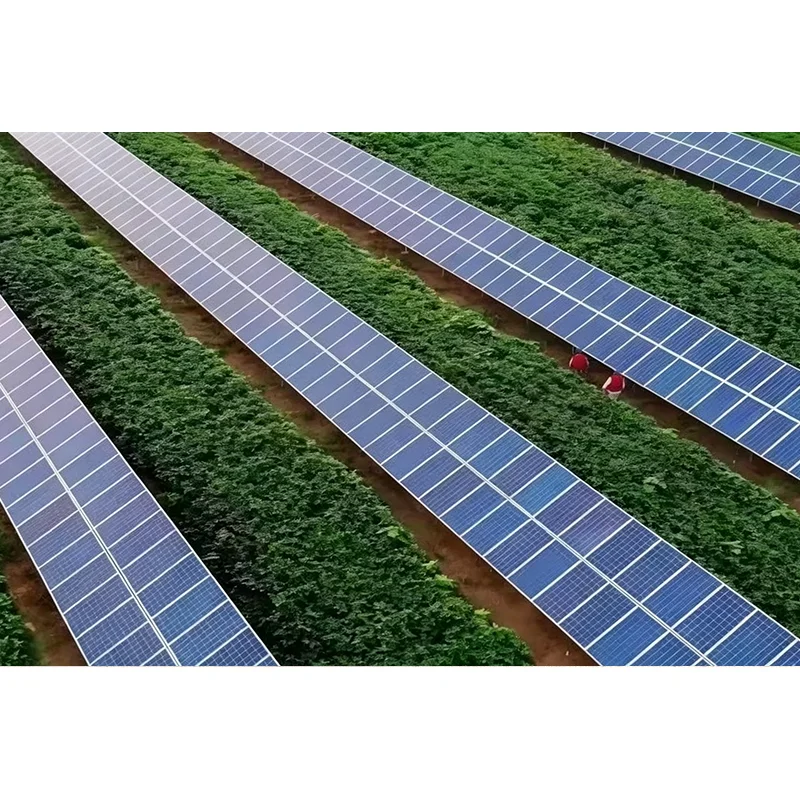
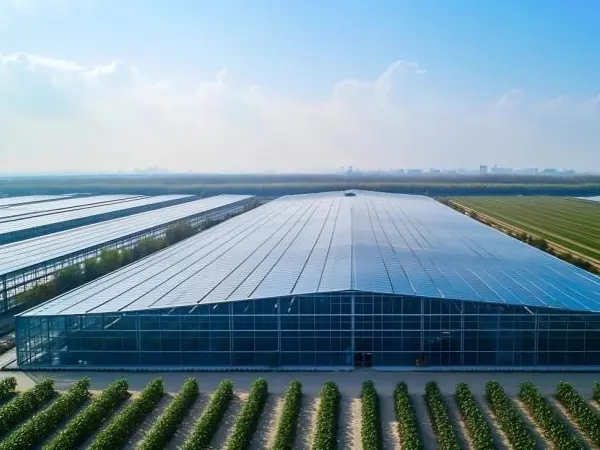
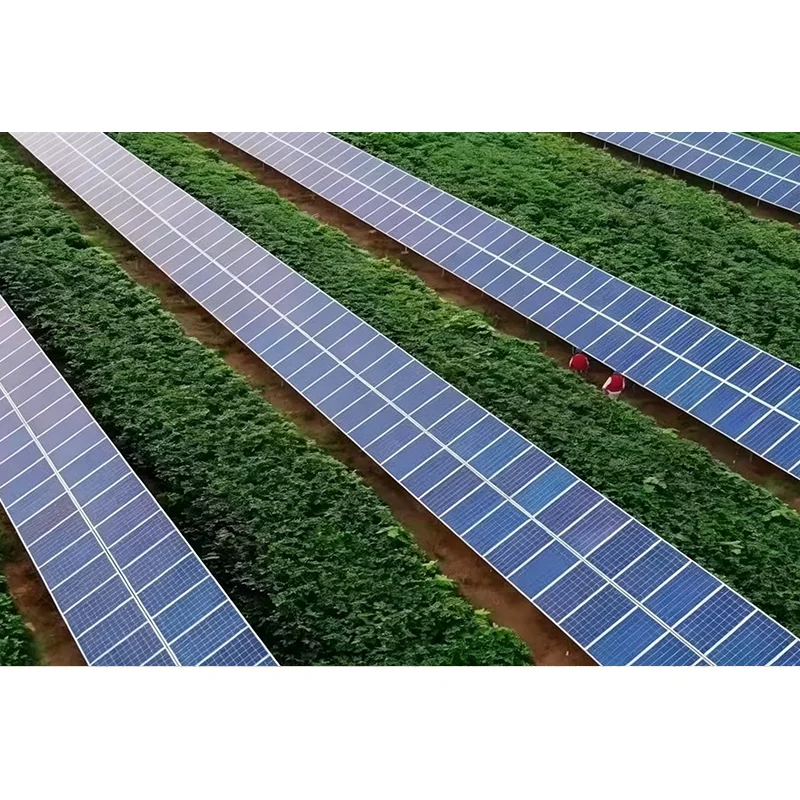
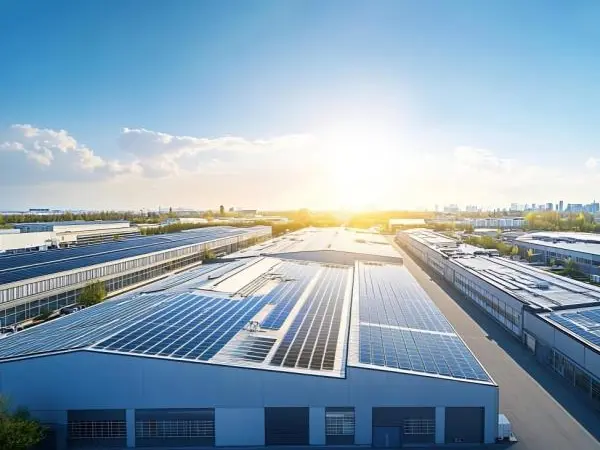
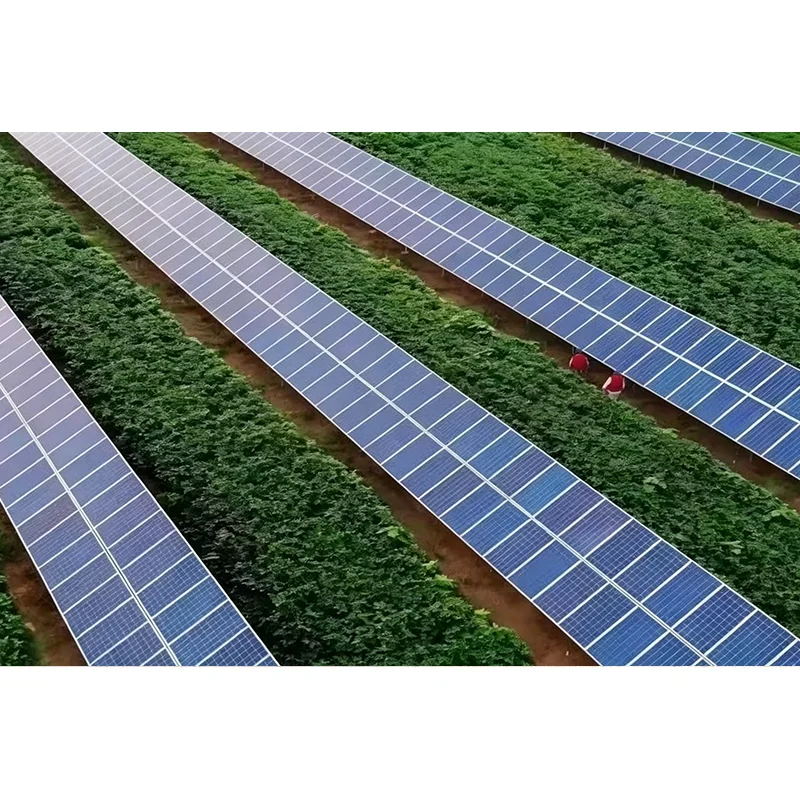
Our photovoltaic support structure products cover two major types of projects: distributed photovoltaic and centralized photovoltaic. In the household rooftop scenario, compact photovoltaic support structures fully utilize the space of the family roof for photovoltaic construction; for industrial and commercial projects such as factories and commercial buildings, photovoltaic support structures can be adapted to color steel tile roofs and concrete flat roofs; for large-scale ground photovoltaic power stations, heavy-duty photovoltaic support structures can be combined with concrete foundations or spiral ground piles for overall construction; it can also be adapted to special photovoltaic application scenarios such as agricultural photovoltaic complementation and photovoltaic car shelters. For different scenarios, we will provide corresponding support type selection suggestions.
Quality control and product certification
The factory establishes a complete quality control process, starting from the inspection of raw materials entering the warehouse, verifying the steel material reports and coating inspection reports to prevent unqualified raw materials from flowing into the production process. Multiple inspection procedures are set up during the production process, with random inspections at each cold bending, stamping, and surface treatment process; after the completion of the products, a pre-inspection of the size accuracy, coating thickness, and completeness of accessory matching is conducted for the support components, and non-conforming products will not be packaged and shipped.
The products can provide ISO quality system certification, SGS salt spray test report, CE and other relevant qualification documents, and support third-party sampling inspection by customers.
Packaging and delivery
The main profiles of the photovoltaic support structure are bound with steel bands, and the hardware components are independently packaged to avoid scratches and wear during transportation. For container sea freight shipments, the products are arranged in a reasonable manner according to the loading plan to maximize the utilization of the container space and reduce the logistics costs for the customers. A packing list is attached for each shipment to facilitate the customers' verification of the quantity upon arrival at the port.
Why choose us
1. We are an actual production factory with a complete profiled material processing line. We are not just a simple trading middleman. We can control the production cycle and quality of the products.
2. We have engineering technical support capabilities. After receiving the customer's project information, we can provide basic selection, load calculation reference suggestions, and not just simply sell steel profiles.
3. We offer both standard spot goods and non-standard customization. Small batch samples and large-scale project orders can all be accepted.
4. We provide a complete set of export materials, including packing lists, material certificates, and test reports, which can be provided with the goods or online to meet the requirements of project customs declaration and acceptance.
5. We have a complete after-sales support. Technical questions during the installation process can be answered, reducing obstacles in project implementation.
FAQ
Q1: Are you a production factory? Can you arrange a factory visit?
A: We are an actual production factory. We support customers' appointment for factory visits and can also provide real-time live video of the factory.
Q2: What is the minimum order quantity (MOQ) for photovoltaic brackets? Can samples be provided?
A: Standard brackets support small batch purchases. We can also provide samples for testing and confirmation. The sample shipping cost is generally borne by the purchaser.
Q3: Do you support custom processing?
A: We support non-standard sizes and special load conditions for customization. Customers can provide drawings or project parameters, and we will evaluate and provide a solution and quotation.
Q4: How long is the product delivery cycle?
A: Regular spot goods have a delivery cycle of 10-15 working days; custom products need to determine the specific delivery date based on the drawings and production schedule.
Q5: How long is the product warranty? What to do if there is rusting later?
A: The product provides a 25-year warranty; if quality issues caused by material or process are within the warranty period, we will handle it in coordination; damages caused by installation errors, human damage, or exceeding the design load are not within the warranty scope.
Q6: Can you provide structural calculation documents?
A: For large projects, after confirming the project wind pressure, snow pressure, and geological conditions, we can provide corresponding structural calculation reference materials.
Procurement and After-sales Instructions
Customers can provide information such as project site conditions, roof type, installed scale, local wind and snow load, etc. Based on this, we can provide selection suggestions for the brackets. Procurement process: communication of requirements → confirmation of the plan → quotation → signing of the contract → production manufacturing → quality inspection and packaging → arrangement of delivery.