News

How Does a Solar Mounting Bracket Support a Reliable Solar Installation?

2026-09-07 0 Leave me a message

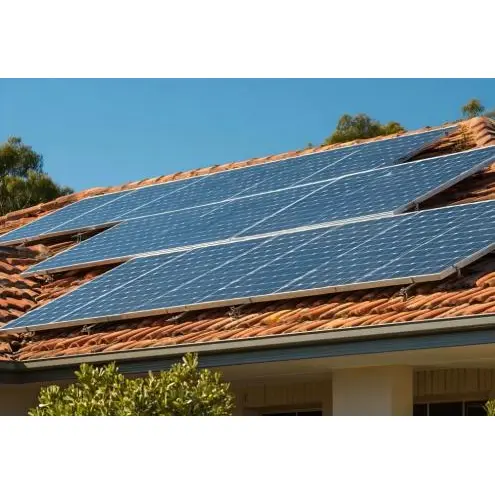
Solar mounting systems are exposed to wind, rain, temperature changes, snow, ultraviolet radiation, and other environmental stresses throughout their service life. The Solar Mounting Bracket is therefore far more than a simple connecting component. It forms an important structural link between the solar panel, mounting rail, roof, ground structure, or other supporting surface.

The right bracket should provide adequate load-bearing capacity, dimensional accuracy, corrosion resistance, connection strength, and installation convenience. This guide explains the major factors that influence bracket performance and provides practical recommendations for buyers, installers, distributors, engineering contractors, and solar project developers.

Table of Contents

  1. Why the Solar Mounting Bracket Matters
  2. How a Mounting Bracket Supports the Solar Structure
  3. Material Selection and Corrosion Resistance
  4. Key Design Features to Examine
  5. Installation Efficiency and Compatibility
  6. Environmental Conditions and Structural Performance
  7. What Buyers Should Check Before Ordering
  8. Common Mounting Bracket Considerations
  9. Maintenance and Long-Term Reliability
  10. Working with Guojian Steel (Tianjin) Co., Ltd.
  11. Frequently Asked Questions

1. Why the Solar Mounting Bracket Matters

Solar modules generate electricity when they receive sunlight, but the panels themselves do not determine the stability of the entire installation. The supporting structure plays an equally important role. A Solar Mounting Bracket helps connect panels or mounting rails to the underlying structure and transfers mechanical loads through the system.

If brackets are poorly designed, incorrectly sized, or manufactured from unsuitable materials, problems can appear during installation or after years of outdoor exposure. Loose connections, corrosion, deformation, misalignment, and difficult installation can increase project costs and create unnecessary maintenance work.

Structural Stability

Provides a secure connection between solar modules and the supporting structure.

Installation Accuracy

Helps maintain consistent panel positioning and alignment.

Weather Resistance

Suitable materials and finishes help withstand outdoor exposure.

Service Life

Durable components reduce the likelihood of premature replacement.

✦ ───────────── ✦

2. How a Mounting Bracket Supports the Solar Structure

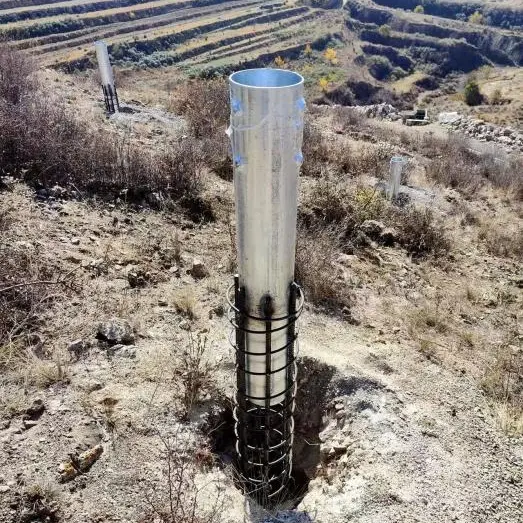
A mounting bracket works as part of a larger structural system rather than as an isolated component. Depending on the application, it may connect a solar module frame to a rail, a rail to a roof attachment, or a supporting frame to a foundation or other structural member.

During normal operation, the system can experience several types of mechanical forces. Wind can create uplift and lateral pressure, while the weight of panels and accumulated snow can create downward loads. Thermal expansion and contraction may also cause repeated movement in outdoor installations.

A properly engineered bracket helps distribute these forces across the connection points instead of concentrating excessive stress in a single location. This is particularly important for large solar arrays where hundreds or thousands of individual connections may work together as one structural system.

Structural Factor Potential Challenge Bracket Requirement
Wind Load Uplift and lateral forces Adequate strength and secure connections
Panel Weight Continuous downward loading Appropriate load-bearing capacity
Snow Additional seasonal load Suitable structural design
Temperature Changes Repeated expansion and contraction Stable connections and suitable material properties

3. Material Selection and Corrosion Resistance

Outdoor solar equipment must remain exposed to changing environmental conditions for many years. Material selection is therefore one of the first issues buyers should investigate when evaluating a Solar Mounting Bracket.

Steel is widely used for structural solar components because of its strength, rigidity, processing flexibility, and suitability for large-scale structural applications. Appropriate surface treatment can further improve resistance to moisture and atmospheric corrosion.

In coastal environments, industrial zones, areas with frequent rainfall, or locations with significant temperature variation, corrosion protection deserves particular attention. A bracket that appears strong when new may not provide the same performance if its protective surface deteriorates prematurely.

  • Check the base material and its mechanical properties.
  • Confirm the surface treatment or protective coating.
  • Consider humidity, salt exposure, rainfall, and local environmental conditions.
  • Inspect connection areas where scratches or damage could expose the underlying material.
  • Match the bracket material with other structural components to reduce compatibility concerns.
✦ ───────────── ✦

4. Key Design Features to Examine

Even high-strength material cannot compensate for unsuitable geometry or inaccurate manufacturing. The design of a mounting bracket should correspond to the loads, connection method, panel configuration, and installation environment.

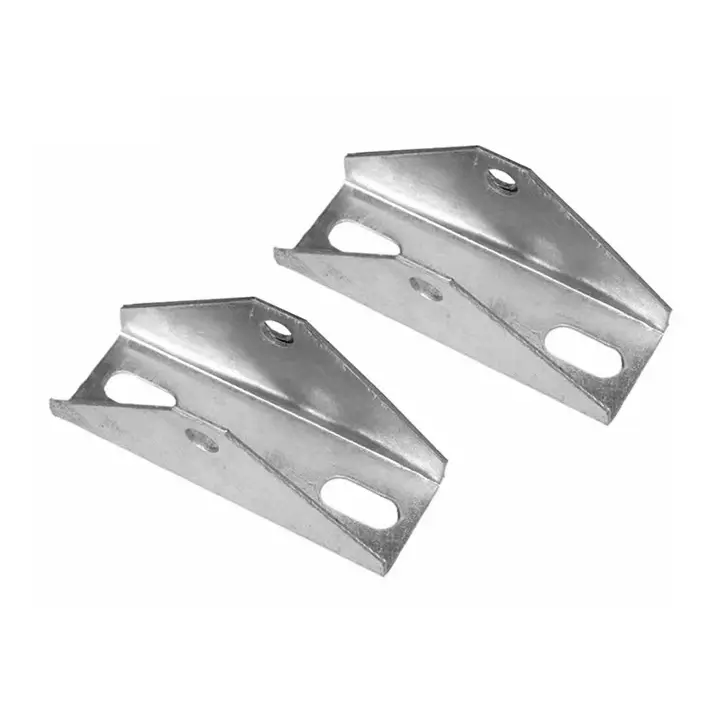
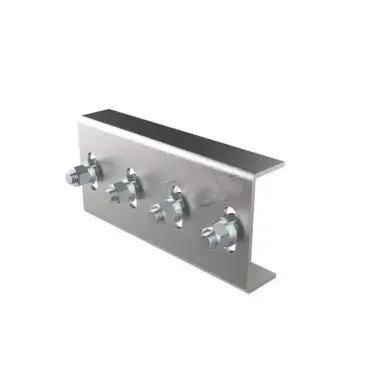
  1. Load-bearing geometry: The shape should provide sufficient structural support without unnecessary material usage.
  2. Connection holes: Hole dimensions and positioning should match bolts, screws, rails, or other connection hardware.
  3. Dimensional accuracy: Consistent dimensions help installers achieve better alignment across an array.
  4. Edge and corner design: Properly formed edges can improve handling and reduce installation difficulties.
  5. Surface protection: The selected finish should correspond to the expected outdoor environment.
  6. System compatibility: Brackets should be designed for the specific mounting configuration rather than treated as universally interchangeable.
Practical Tip: Do not evaluate a bracket only by its appearance or unit price. A slightly cheaper component may increase labor costs if installation is slow, adjustment is difficult, or replacement becomes necessary later.

5. Installation Efficiency and Compatibility

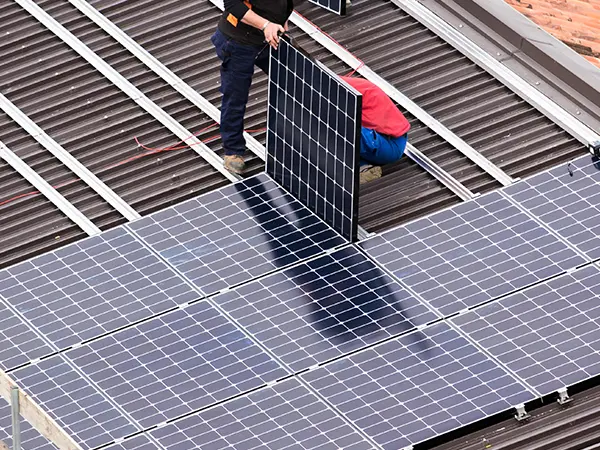
Installation labor can represent a significant portion of the total cost of a solar project. For contractors working on commercial rooftops, utility-scale arrays, residential projects, or distributed generation systems, installation efficiency directly affects project schedules.

A practical Solar Mounting Bracket should allow installers to position and secure components efficiently. Accurate holes, consistent dimensions, suitable connection points, and reasonable accessibility can reduce repeated adjustments during installation.

Before purchasing, buyers should provide detailed information about the intended application. This can include panel dimensions, mounting rail specifications, roof or ground structure, expected loads, installation angle, connection hardware, and environmental conditions.

Installation Checklist

Installation Checklist
  • Verify bracket dimensions before installation.
  • Check hole positions and fastener compatibility.
  • Confirm that contact surfaces are clean and suitable.
  • Follow the specified tightening and assembly procedures.
  • Inspect the finished connection for movement or misalignment.

6. Environmental Conditions and Structural Performance

The same bracket design may perform differently under different environmental conditions. Solar projects in northern regions may face snow and freezing temperatures, while coastal installations may experience salty air and high humidity. Desert applications can involve intense sunlight, dust, large temperature changes, and strong winds.

Buyers should therefore evaluate brackets according to the actual project environment rather than relying solely on general product descriptions.

Application Environment Main Concern Recommended Focus
Coastal Areas Salt and humidity Corrosion protection
Snowy Regions High seasonal loads Load-bearing capacity
High-Wind Locations Uplift and lateral pressure Connection and structural strength
Hot or Dry Areas UV exposure and temperature variation Material and coating suitability
✦ ───────────── ✦

7. What Buyers Should Check Before Ordering

Choosing a supplier based only on price can create avoidable problems. A better purchasing decision considers the complete product lifecycle, including material quality, manufacturing consistency, installation requirements, transportation, and long-term outdoor performance.

Before placing an order, ask the supplier for clear information about:

  • Material specification and thickness
  • Surface treatment and corrosion protection
  • Bracket dimensions and technical drawings
  • Applicable solar mounting configurations
  • Load and structural requirements
  • Production capacity and quality-control procedures
  • Sample availability before bulk production
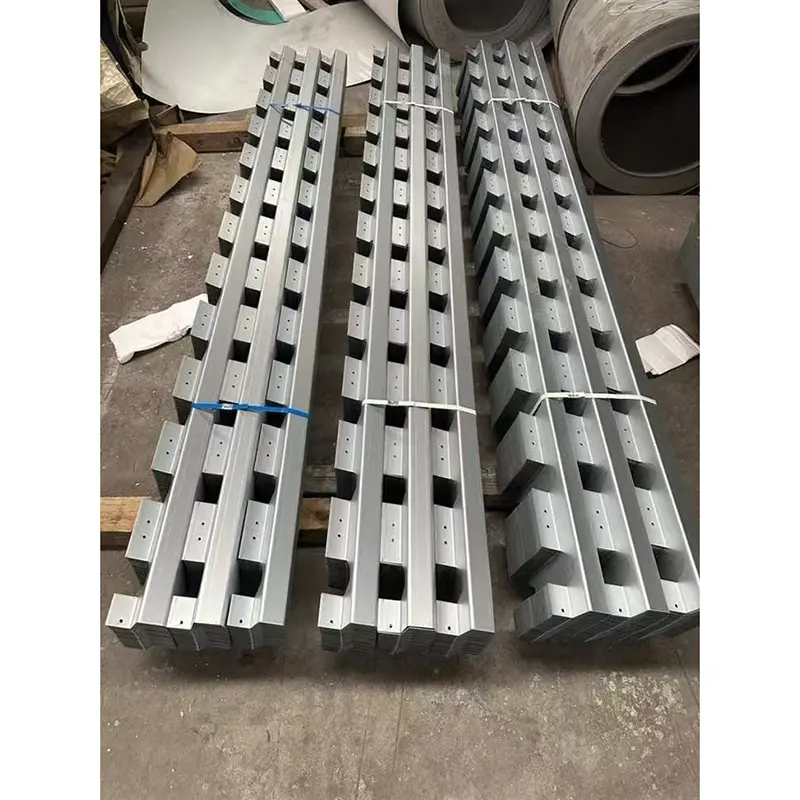
  • Packaging and protection during transportation
  • Customization options for special project requirements
  • Quality documentation and relevant testing information

For distributors and engineering companies, consistent production quality is particularly important. Variations in dimensions between batches can create problems when components are installed across a large project.

8. Common Solar Mounting Bracket Considerations

Factor Basic Requirement Why It Matters
Strength Suitable structural performance Supports long-term stability
Accuracy Consistent dimensions Simplifies assembly and alignment
Corrosion Resistance Appropriate surface protection Helps withstand outdoor exposure
Compatibility Matches the mounting system Reduces installation problems
Customization Adaptable dimensions and configurations Useful for project-specific applications

9. Maintenance and Long-Term Reliability

A well-designed mounting system should require limited maintenance, but periodic inspection remains a sensible practice for long-term solar installations. Early identification of loose connections, visible corrosion, deformation, or damaged protective surfaces can help prevent larger structural issues.

Inspection frequency should depend on the project environment, installation scale, local weather, and system requirements. After severe storms, high winds, heavy snow, or other unusual environmental events, additional inspection may be appropriate.

Maintenance teams should pay particular attention to connection points because these areas experience mechanical forces and may be exposed to moisture or environmental contaminants. Keeping installation records and documenting replacement components can also make future maintenance more efficient.
10. Working with Guojian Steel (Tianjin) Co., Ltd.

For solar mounting projects, working with an experienced steel component manufacturer can help buyers address the practical requirements of strength, dimensional consistency, surface protection, and project-specific configurations.

Guojian Steel (Tianjin) Co., Ltd. can be considered as a manufacturing partner for customers looking for steel-based structural components and customized solutions. For projects involving Solar Mounting Bracket requirements, clear communication of technical drawings, dimensions, material specifications, surface treatment, quantities, and application conditions can help the supplier develop a solution aligned with the actual project.

Customization can be particularly valuable when standard brackets do not match the dimensions or connection requirements of a specific solar mounting system. Instead of modifying unsuitable components on site, project buyers can work with a manufacturer to establish the required dimensions and production specifications before mass manufacturing.

✦ ───────────── ✦

11. Frequently Asked Questions

What is a Solar Mounting Bracket?

A Solar Mounting Bracket is a structural component used to connect solar panels, mounting rails, or supporting frames. It helps maintain the position of the solar array and transfers mechanical loads to the supporting structure.

Why is corrosion resistance important for solar brackets?

Solar mounting brackets are generally installed outdoors and may be exposed to rain, humidity, salt, dust, and temperature changes. Appropriate material selection and surface protection help maintain structural performance over extended outdoor use.

Can Solar Mounting Brackets be customized?

Yes. Depending on the manufacturer and project requirements, brackets can be customized in dimensions, hole positions, configurations, material specifications, and surface treatments. Technical drawings should be confirmed before production.

How should buyers select a solar bracket supplier?

Buyers should evaluate material quality, manufacturing consistency, dimensional accuracy, surface treatment, customization capabilities, production capacity, quality control, technical communication, and the supplier's ability to meet project-specific requirements.

Are all solar mounting brackets interchangeable?

No. Brackets can differ in dimensions, hole locations, connection methods, load requirements, and compatibility with rails or supporting structures. Always verify the technical specifications before purchasing.

What information should be provided when requesting a quotation?

Useful information includes drawings, dimensions, material requirements, thickness, surface treatment, estimated order quantity, intended installation environment, connection method, and any special packaging or customization requirements.

Build a More Reliable Solar Mounting System

The right Solar Mounting Bracket can make a meaningful difference to installation efficiency, structural stability, weather resistance, and long-term project reliability. Whether you are sourcing components for a new solar project, developing a customized mounting system, or purchasing in bulk, technical details should always come before price alone.

Looking for a suitable steel mounting solution for your solar project? Contact Guojian Steel (Tianjin) Co., Ltd. today to discuss your requirements, technical specifications, customization needs, and bulk-order plans.

Related News
Leave me a message
X
We use cookies to offer you a better browsing experience, analyze site traffic and personalize content. By using this site, you agree to our use of cookies. Privacy Policy
RejectAccept