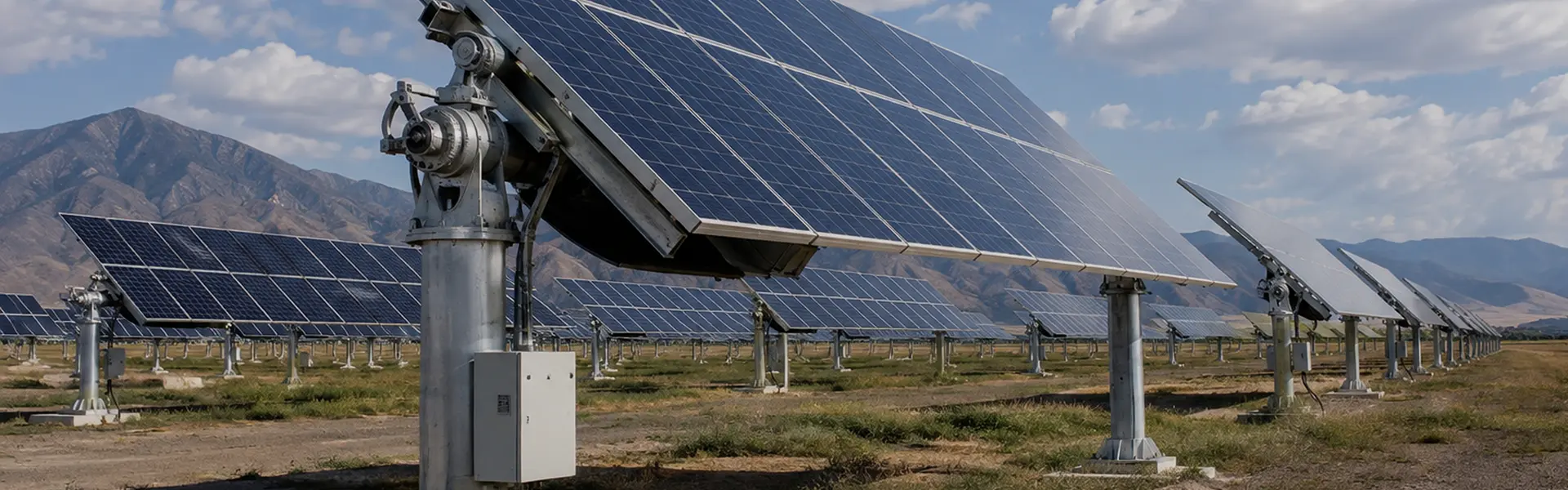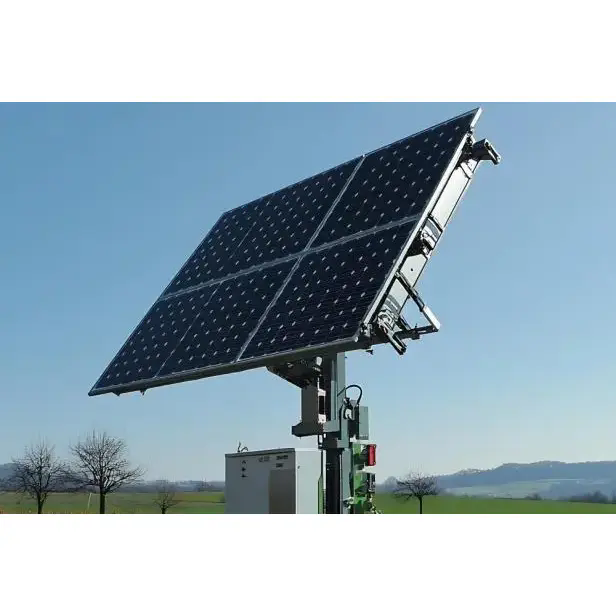
PV‑EPC contractors and project investors often make key sourcing decisions relying on lab‑demonstrated smart solar tracking system prototypes. Bench‑tests verify rotation movement, wind‑stow trigger response and theoretical power‑gain figures. Multiple real‑world gaps never emerge under controlled workshop conditions and only surface after multi‑year site operation, hurting project bankability and triggering warranty disputes.
Four under‑evaluated gaps rarely covered in basic datasheets:
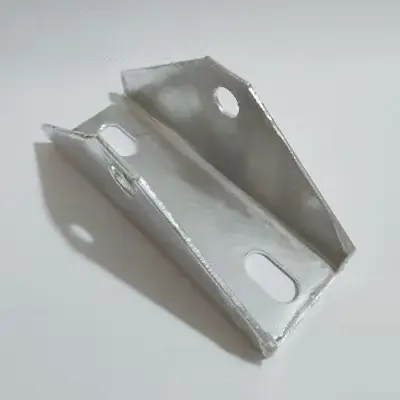
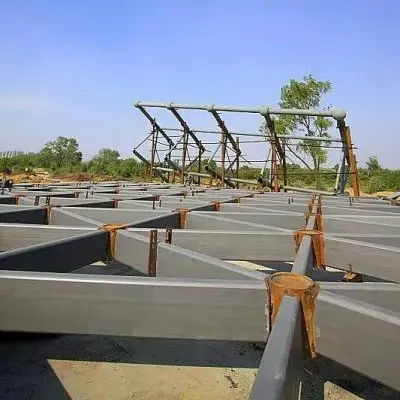
Prototype samples show uniform shiny zinc finish. In serial mass‑production, weld seams, grinding‑treated edges and bolt‑hole inner surfaces suffer uneven zinc adhesion. These defects stay invisible before outdoor exposure.
Guojian Steel implements weld‑zone targeted coating‑thickness spot‑check per production lot. Salt‑spray accelerated ageing sampling validates anti‑corrosion performance not only on flat beam surfaces but also around welding transition zones.
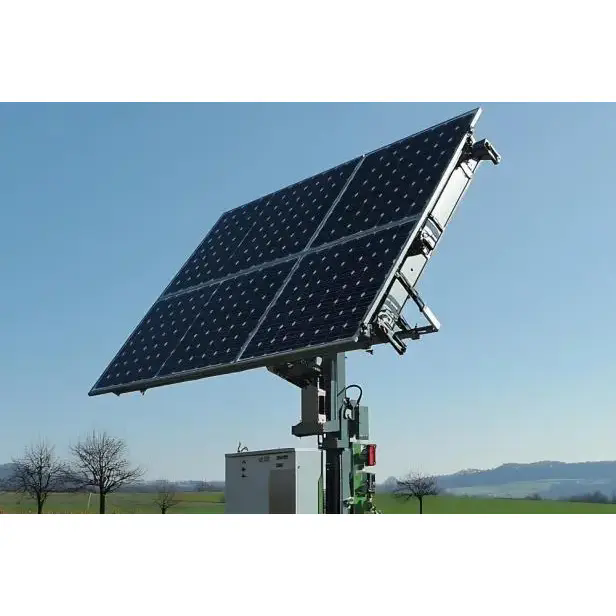
Workshop prototype validation uses artificial steady wind‑simulation input. Real‑world sites deliver erratic short‑burst gusts. Minor firmware‑hardware misalignment delays wind‑stow triggering.
Even if single‑unit lab tests pass perfectly, un‑calibrated response latency exposes tracker arrays to aero‑elastic risk under sudden storm‑gust conditions.
Lab‑testing runs on perfectly level, rigid mounting fixtures. Actual PV‑plant sites experience gradual soil settlement or frost‑heave. Small foundation height‑differences introduce persistent lateral offset onto polymer bearings.
Bearings passing ideal‑condition endurance tests can experience sharply shortened service‑life under sustained offset pre‑stress, bringing increased field‑O&M workload for asset‑owners.
Many suppliers provide high‑level system‑certificates. Financing‑bank third‑party audits require proof that every critical component (bearing, drive‑unit, control‑board) falls within the certified scope for that exact shipment lot.
Generic prototype‑based certification documents are not sufficient for bank‑financed utility‑scale PV projects, even if the physical tracker hardware looks identical.
| Anti‑corrosion requirement | Mandate weld‑joint zinc‑thickness sampling; require salt‑spray test covering welded transition zones |
| Control‑system requirement | Specify gust‑pattern simulation test and enforce firmware‑hardware batch‑link traceability |
| Mechanical‑tolerance requirement | Add offset‑loaded bearing endurance‑validation considering realistic site‑settlement scenarios |
| Finance‑audit requirement | Demand component‑level lot‑tied documentation; reject standalone prototype‑system certificates |
Guojian Steel Smart Solar Tracking System executes weld‑zone galvanizing spot‑inspection, gust‑pattern firmware‑hardware validation, offset‑loaded bearing endurance cycling and component‑aligned audit‑document management. It mitigates weld‑joint‑corrosion risk, delayed wind‑stow response, settlement‑accelerated bearing‑wear and financing‑audit‑document‑mismatch risks for global EPC‑contractors and cross‑border PV‑project‑investor partners worldwide.