Mounting accessories may be small components, but they have a direct impact on installation stability, structural fit, service life, and maintenance efficiency. The right brackets, clamps, fasteners, plates, connectors, and related components help installers create secure connections between equipment, support structures, roofs, frames, and other surfaces. This guide explains the main types of mounting accessories, the factors that influence selection, common application requirements, installation considerations, and how customized mounting solutions can improve project performance.
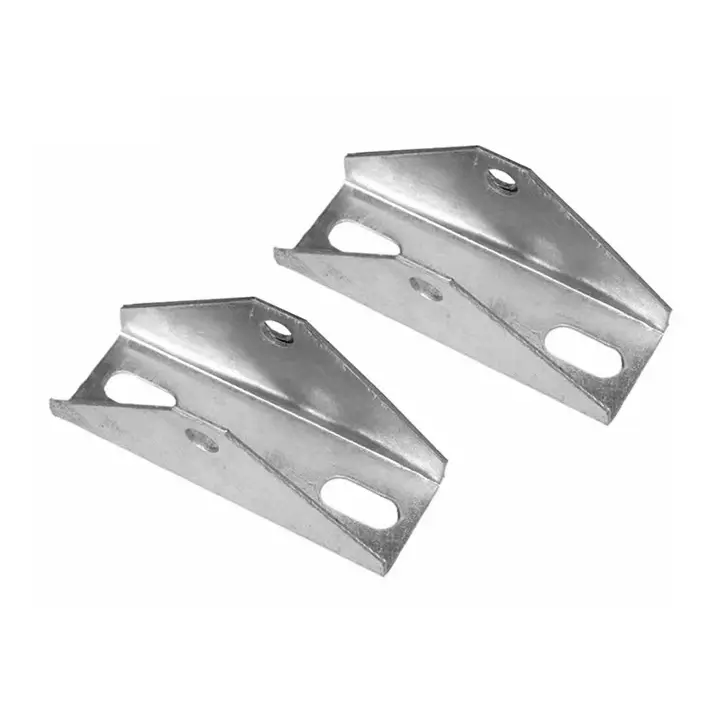
Table of Contents
- Understanding the Role of Mounting Accessories
- Common Types of Mounting Accessories
- Material and Surface Treatment Considerations
- Where Mounting Accessories Are Used
- How to Select the Right Mounting Accessories
- Installation Factors That Affect Performance
- Customized Mounting Accessories for Project Requirements
- Quality and Supply Considerations for B2B Buyers
- Mounting Solutions from Guojian Steel (Tianjin) Co., Ltd.
- Frequently Asked Questions
- Final Considerations
What Are Mounting Accessories and Why Do They Matter?
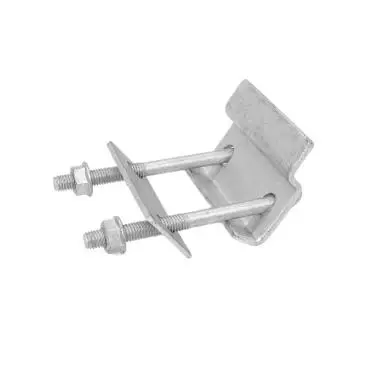
Mounting accessories are the supporting components used to connect, position, reinforce, or secure equipment and structural elements during installation. Depending on the application, they can include brackets, clamps, mounting plates, connectors, bolts, nuts, washers, rails, clips, and other fixing hardware.
Although these components are often smaller than the main structure or equipment, their role should not be underestimated. A mounting system must transfer loads through its connection points, and poor fit, unsuitable materials, incorrect hole positioning, or inadequate corrosion protection can create installation and maintenance problems.
For example, mounting components used in outdoor photovoltaic installations may need to withstand weather exposure, while industrial mounting accessories may need to accommodate equipment vibration or repeated maintenance. Construction applications may place greater emphasis on load transfer, dimensional consistency, and compatibility with the supporting structure.
Key point: Mounting accessories should be treated as part of the complete installation system rather than as isolated hardware. Their dimensions, material, surface treatment, connection method, and application environment should work together.
Common Types of Mounting Accessories
Different projects require different connection methods. Selecting the appropriate accessory begins with understanding what the component needs to accomplish.
| Accessory Type | Main Function | Typical Application | Key Consideration |
|---|---|---|---|
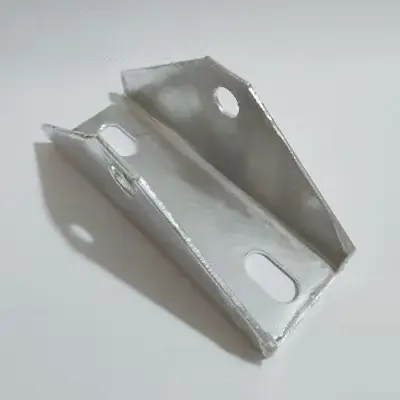
| Mounting Brackets | Support and position components | Solar systems, equipment, steel structures | Load capacity, geometry, hole pattern |
| Mounting Plates | Create a stable connection surface | Frames, equipment bases, structural assemblies | Thickness, dimensions, hole location |
| Clamps | Secure profiles, pipes, rails, or components | PV systems, mechanical installations | Compatibility and clamping force |
| Connectors | Join structural components | Steel frames and support structures | Connection geometry and strength |
| Bolts, Nuts and Washers | Provide mechanical fastening | General structural and equipment installation | Thread specification and material compatibility |
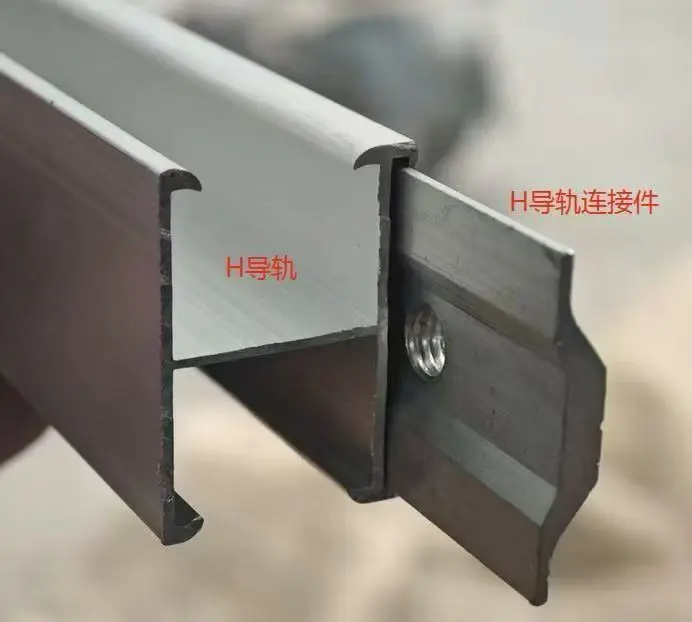
| Rails and Profiles | Provide adjustable mounting channels | Solar and equipment support systems | Profile dimensions and system compatibility |
Mounting Brackets
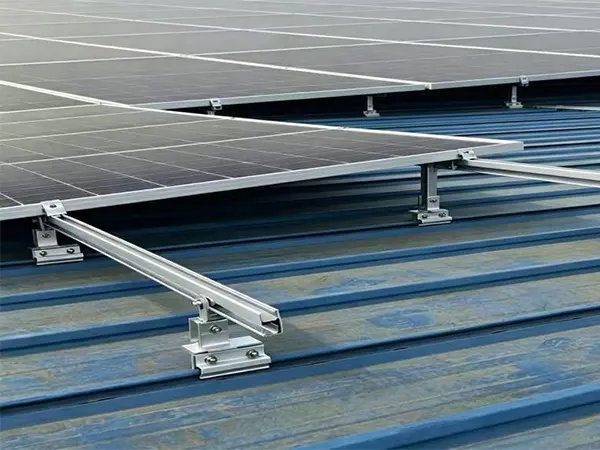
Brackets are widely used when a component needs to be fixed at a specific position or angle. Depending on the design, they can support vertical, horizontal, or angled installation. Pre-punched or drilled holes can also simplify assembly and help standardize installation positions.
Mounting Plates and Connectors
Plates and connectors are useful when several structural elements need to be joined. Their dimensions and hole arrangement are particularly important because even a small deviation can make field installation more difficult.
Clamps and Fastening Hardware
Clamps, bolts, nuts, washers, and similar hardware complete the connection between mounting components and the supported structure. Their specifications should be compatible with the main mounting components and the operating environment.
Which Materials and Finishes Are Suitable for Mounting Accessories?
Material selection depends heavily on the installation environment, expected loads, corrosion exposure, weight requirements, and project budget. Steel is commonly selected when structural strength and durability are important, while aluminum can be advantageous when lower weight and corrosion resistance are priorities.
| Material / Finish | Typical Characteristics | Suitable Environments |
|---|---|---|
| Carbon Steel | Strong, economical, suitable for many structural applications | General construction and industrial systems |
| Hot-Dip Galvanized Steel | Improved resistance to outdoor corrosion | PV systems, outdoor structures, exposed installations |
| Stainless Steel | Strong corrosion resistance and long service potential | Moist, coastal, or demanding environments |
| Aluminum Alloy | Lightweight and corrosion resistant | PV mounting and weight-sensitive systems |
Surface treatment is equally important. Coatings or galvanizing can help protect steel components from environmental exposure, but the appropriate finish should be determined according to the actual service conditions rather than selected only by appearance.
For outdoor applications, buyers should consider humidity, rainfall, salt exposure, temperature changes, and the expected service period. For indoor applications, the requirements may be less demanding, although industrial environments can still involve moisture, chemicals, dust, or vibration.
Where Are Mounting Accessories Used?
Mounting accessories are used across a wide range of industries because nearly every structural or equipment installation requires some form of mechanical connection.
Photovoltaic Mounting Systems
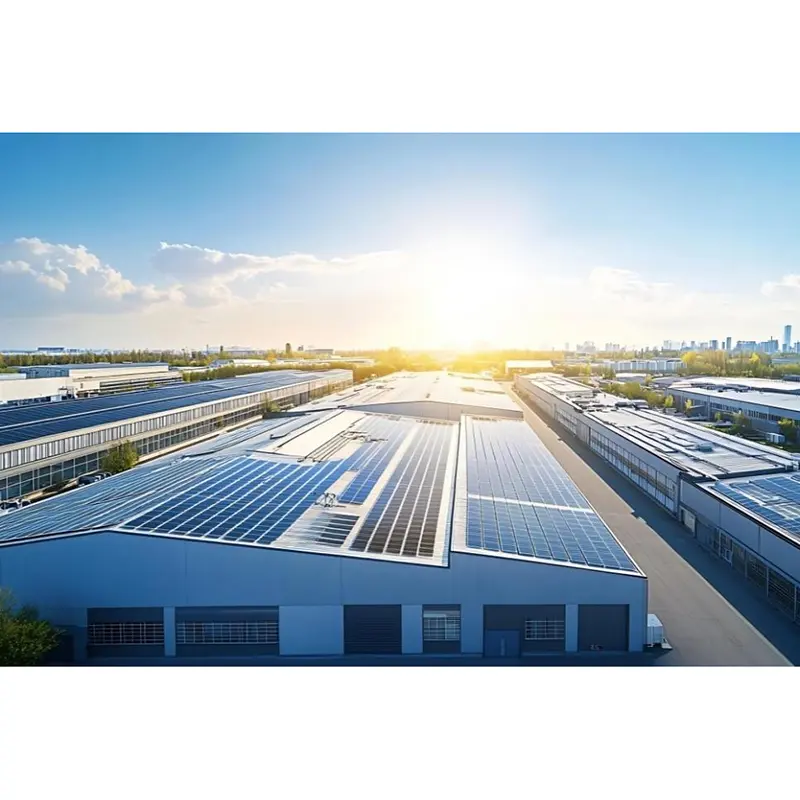
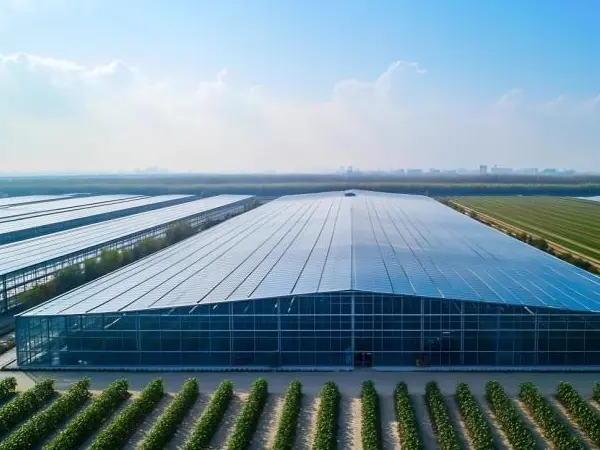
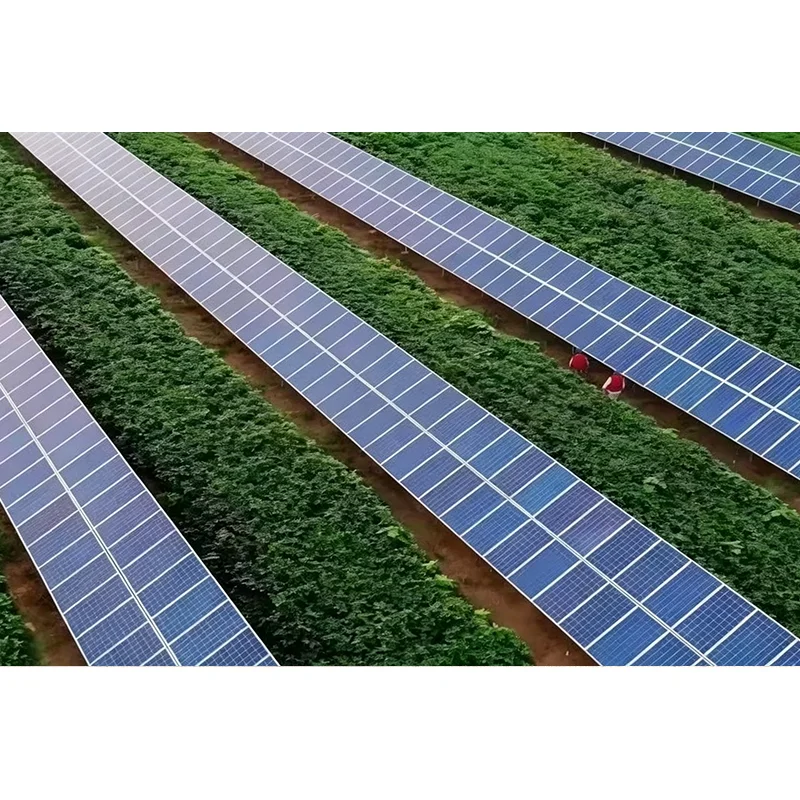
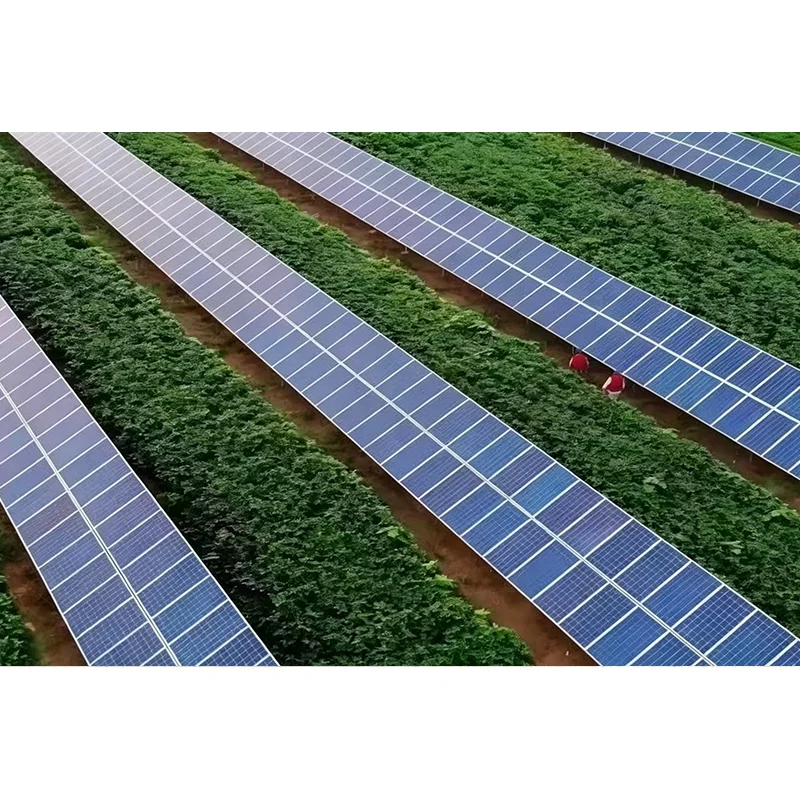
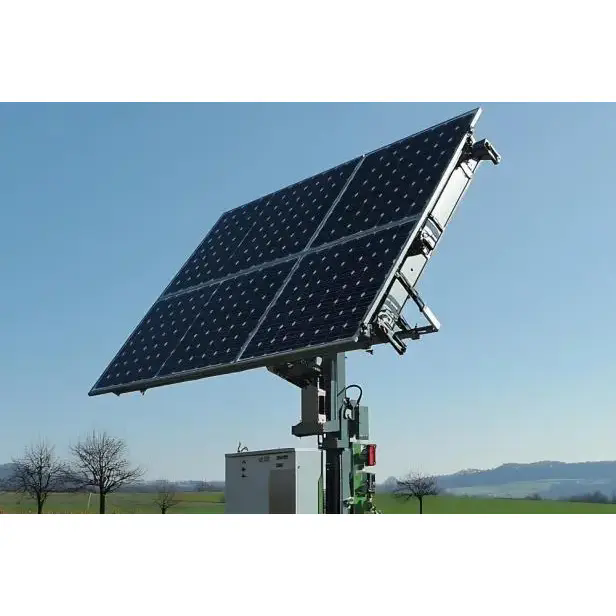
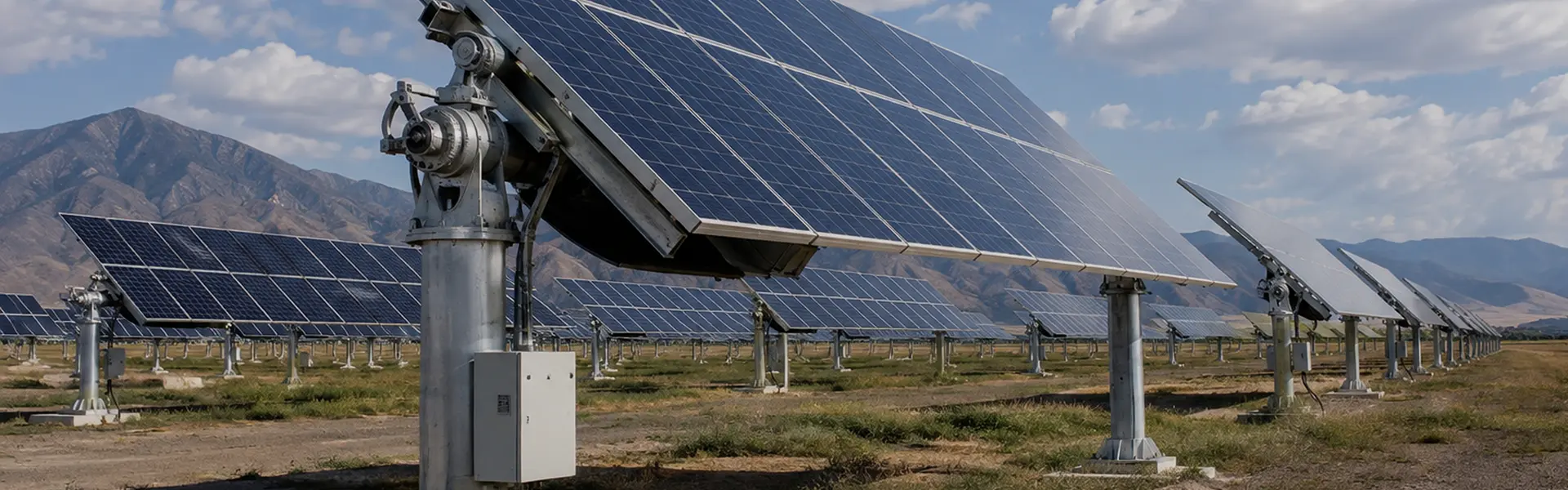
PV installations use mounting brackets, clamps, rails, connectors, fasteners, and other components to secure solar modules and supporting structures. Different roof types, ground conditions, tilt angles, and project layouts can require different accessory configurations.
For large projects, compatibility between the mounting accessories and the primary steel or aluminum structure is especially important. Project-specific dimensions can also help simplify installation and reduce field modifications.
Commercial and Industrial Construction
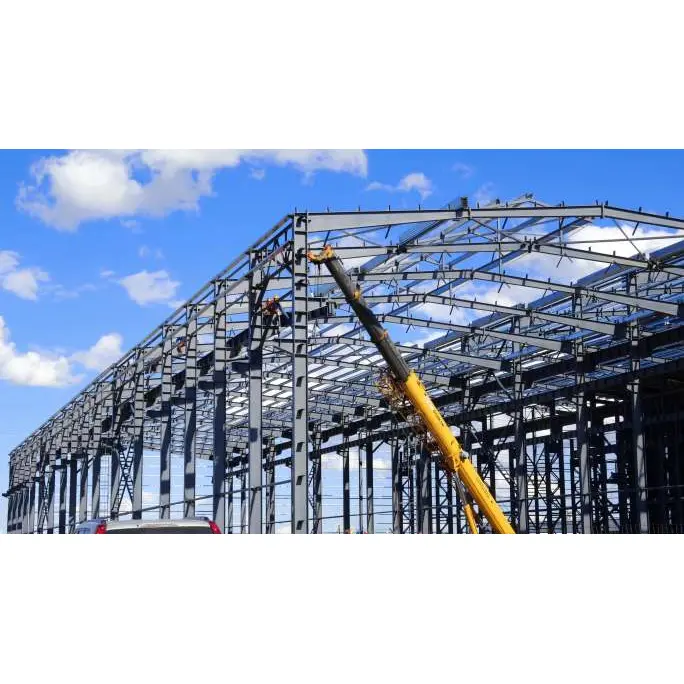
Commercial buildings, factories, warehouses, and other structures may use mounting accessories for equipment supports, structural connections, frames, service systems, and installation hardware. Components often need to balance strength, corrosion protection, installation efficiency, and cost.
Industrial Equipment
Machinery and industrial equipment frequently require mounting plates, brackets, supports, and fastening hardware. In these applications, vibration, repeated maintenance, equipment weight, and dimensional accuracy may all influence the mounting design.
Steel Structures
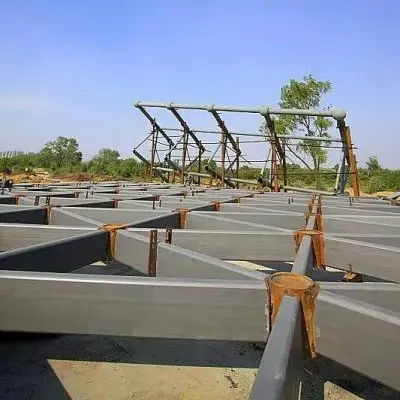
Steel structures depend on properly designed connection components to transfer forces between structural members. Brackets, plates, connectors, and fasteners must be compatible with the structure's dimensions and intended loading conditions.
Project reminder: Applications involving significant structural loads should be verified against the project's engineering calculations, applicable standards, local conditions, and installation requirements.
How Can Buyers Select the Right Mounting Accessories?
Choosing mounting accessories based only on appearance or nominal size can lead to fit and installation problems. A more reliable approach is to evaluate the complete application before purchasing.
1. Define the Installation Environment
First determine whether the accessories will be used indoors, outdoors, in a humid location, near the coast, or in an industrial environment. Environmental conditions influence material and surface treatment requirements.
2. Confirm Dimensions and Hole Patterns
Check the overall length, width, thickness, hole diameter, hole spacing, bending angle, profile dimensions, and connection position. For project-specific components, engineering drawings are particularly useful.
3. Consider Load Requirements
The expected load should be considered together with the direction of the load and the supporting structure. Weight, wind, snow, vibration, and dynamic forces may all be relevant depending on the application.
4. Check Material Compatibility
When multiple metals are joined, material compatibility should be considered, particularly in environments where moisture or salt exposure can increase corrosion risks.
5. Evaluate Installation Efficiency
Pre-drilled holes, standardized dimensions, compatible fasteners, and clearly defined assembly procedures can reduce installation time and minimize field modifications.
- Application and installation environment
- Component dimensions and tolerances
- Material and surface treatment
- Load and connection requirements
- Compatible fasteners
- Installation method
- Packaging and transportation requirements
- Project quantity and delivery schedule
What Installation Factors Affect Mounting Performance?
Even a well-manufactured mounting accessory can perform poorly if it is installed incorrectly. The installation process should therefore be considered during product selection.
Correct Alignment
Brackets and plates should be aligned according to the installation drawings. Incorrect positioning can create unnecessary stress or make subsequent assembly difficult.
Proper Fastener Selection
Fasteners should match the mounting component in size, thread type, material, and application requirements. Where specified, the correct tightening procedure should be followed.
Surface Condition
Contact surfaces should be suitable for the selected mounting method. Dirt, excessive coating buildup, deformation, or other surface problems can affect fit and connection quality.
Inspection After Installation
For larger projects, installation checks can help identify loose connections, dimensional issues, damaged coatings, or incorrectly positioned components before the system enters service.
How Can Customized Mounting Accessories Solve Project-Specific Problems?
Standard mounting accessories work well when project dimensions and installation conditions match existing specifications. However, many commercial, industrial, and renewable-energy projects involve unique roof structures, terrain conditions, equipment layouts, or connection requirements.
In these situations, customized mounting accessories can be designed around the actual project rather than forcing the project to adapt to an unsuitable standard component.
Common Customization Requirements
- Non-standard bracket dimensions
- Customized hole patterns
- Special bending angles
- Different plate thicknesses
- Customized mounting lengths
- Special surface treatments
- Project-specific connection structures
- OEM or private-label requirements
A drawing-based production process can be particularly useful for B2B buyers. By providing drawings, samples, material specifications, surface-treatment requirements, and quantities, buyers can give manufacturers the information needed to evaluate the project accurately.
For complex projects: Supplying engineering drawings or clear sample information at the quotation stage can reduce misunderstandings and make dimensional confirmation more efficient.
What Should B2B Buyers Check Before Ordering?
For project-based purchasing, product price is only one part of the overall procurement decision. Buyers should also examine manufacturing capability, consistency, packaging, customization support, and delivery coordination.
| Purchasing Factor | What to Verify | Why It Matters |
|---|---|---|
| Material | Grade, thickness, source and compatibility | Influences strength and service performance |
| Dimensions | Drawing, tolerances and hole positions | Ensures installation compatibility |
| Surface Treatment | Galvanizing, coating or other specified finish | Helps address environmental exposure |
| Production Capacity | Equipment, processing capability and batch capacity | Supports stable supply for larger orders |
| Quality Control | Inspection procedures and dimensional verification | Reduces variation between batches |
| Packaging | Protection, labeling and loading method | Helps reduce transport-related damage |
| Customization | Drawing review and engineering support | Useful for non-standard projects |
For international procurement, buyers should also confirm export packaging, documentation, shipping arrangements, production lead time, and communication procedures before placing a large order.
How Does Guojian Steel (Tianjin) Co., Ltd. Support Mounting Accessory Projects?
Guojian Steel (Tianjin) Co., Ltd. provides steel-based mounting and structural solutions for photovoltaic, construction, and other project applications. The company combines steel production with downstream processing capabilities, allowing mounting components and related structural products to be developed according to project requirements.
Its PV mounting component solutions include products manufactured from high-strength aluminum alloys and hot-dip galvanized steel. These products are designed for applications such as residential distributed photovoltaic systems, commercial and industrial rooftops, ground-mounted solar power plants, complex terrain installations, and overseas PV projects.
For project-specific requirements, Guojian Steel supports customization involving dimensions, tilt angles, terrain conditions, and structural requirements. Technical drawings and load-bearing documentation can be developed according to project information and relevant local conditions.
Key Capabilities for Project Buyers
- Steel production and deep-processing capabilities
- PV mounting component manufacturing
- Hot-dip galvanized steel and aluminum alloy options
- Customized dimensions and structural configurations
- Support for residential, commercial, industrial, and ground-mounted projects
- Bulk supply for overseas projects and distribution channels
- FOB Tianjin Port export support
For overseas buyers, this combination of manufacturing and project-oriented customization can simplify sourcing when mounting components need to match specific structural layouts. The company also states that its products are exported to markets including Latin America, Europe, Southeast Asia, the Middle East, and India.
Frequently Asked Questions About Mounting Accessories
Mounting accessories are used to secure, connect, support, align, or reinforce equipment and structural components. Common examples include brackets, plates, clamps, connectors, bolts, nuts, washers, and mounting rails.
Common materials include carbon steel, galvanized steel, stainless steel, and aluminum alloys. The most suitable material depends on load requirements, environmental exposure, corrosion conditions, weight, and project specifications.
Yes. Mounting accessories can be designed for outdoor applications, but material and surface treatment should be selected according to local weather and corrosion conditions. Galvanized steel and suitable aluminum or stainless-steel products are frequently considered for outdoor systems.
Yes. Depending on the manufacturer, mounting accessories can be customized in dimensions, hole patterns, thicknesses, bending angles, materials, surface finishes, and other structural details.
Useful information includes product drawings, dimensions, material requirements, surface treatment, estimated quantity, application environment, packaging requirements, and delivery destination. Photos or physical samples can also help when drawings are unavailable.
Dimensional tolerances affect whether mounting components fit correctly during assembly. Consistent dimensions can reduce installation adjustments, field modifications, and compatibility problems.
Yes. Mounting components can be supplied for residential, commercial, industrial, and ground-mounted photovoltaic projects. Larger projects generally require clear drawings, material specifications, quantities, engineering requirements, and delivery planning.
Buyers can reduce installation problems by confirming drawings, dimensions, hole positions, materials, surface treatment, fastener specifications, packaging, and inspection requirements before production begins.
What Should You Consider Before Choosing Mounting Accessories?
Mounting accessories are essential connection components that influence the stability, durability, installation efficiency, and serviceability of a complete mounting system. The right solution depends on more than simply choosing a bracket or fastener that fits physically.
Before purchasing, consider the installation environment, expected loads, material compatibility, corrosion exposure, dimensions, hole patterns, surface treatment, installation method, and project quantity. For complex projects, customized components based on drawings can provide a more practical fit than forcing standard products into non-standard applications.
For photovoltaic systems, steel structures, commercial buildings, industrial equipment, and other applications, working with a manufacturer that understands both material processing and project requirements can make sourcing more efficient.
Build a Mounting Solution Around Your Project
Whether you need standard mounting accessories or customized components for a specific photovoltaic, industrial, or structural application, Guojian Steel (Tianjin) Co., Ltd. can support project-based requirements with steel manufacturing, deep processing, and customized mounting solutions.
Share your drawings, dimensions, material requirements, quantity, or application details to discuss a suitable solution. If you are planning a new project or need a reliable source for bulk mounting components, contact us to start the conversation.