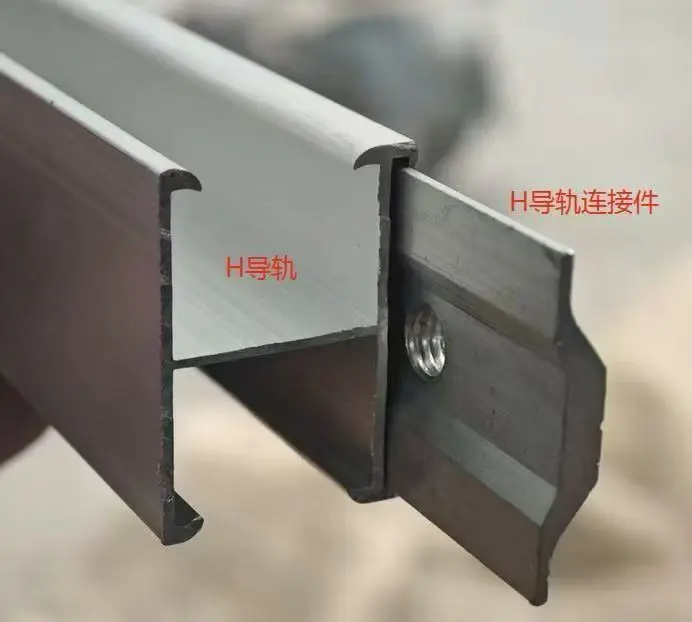
A guide rail is more than a simple metal track. It is a precision component responsible for maintaining controlled movement, alignment, stability, and safety in systems where smooth and repeatable motion matters.
Mounting accessories may be small components, but they have a direct impact on installation stability, structural fit, service life, and maintenance efficiency. The right brackets, clamps, fasteners, plates, connectors, and related components help installers create secure connections between equipment, support structures, roofs, frames, and other surfaces.
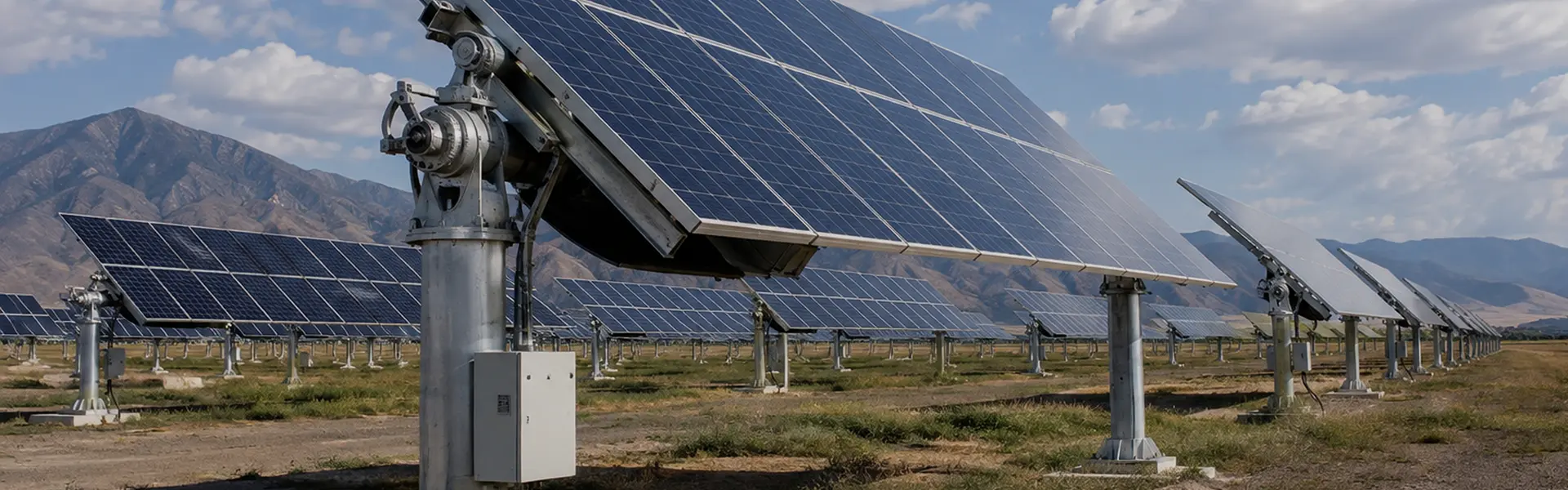
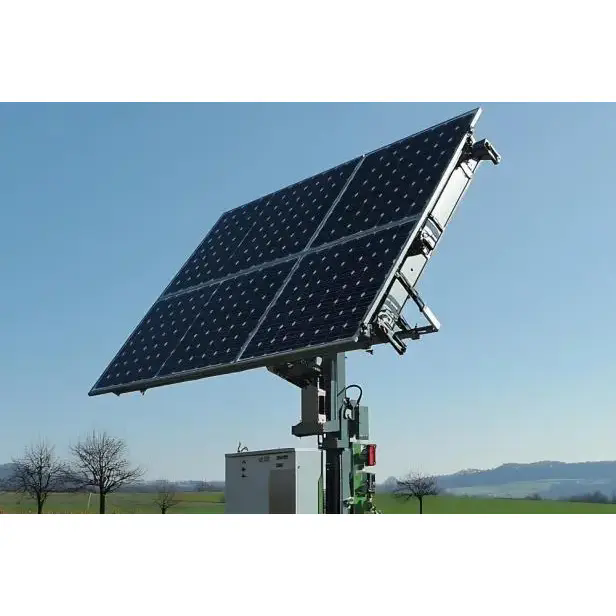
A Tilted Single-Axis Solar Tracker System allows photovoltaic modules to rotate around a single inclined axis, helping maintain a more favorable angle toward the sun throughout the day. Compared with fixed-tilt mounting, this approach can increase solar irradiation received by the modules while retaining a simpler mechanical architecture than dual-axis tracking. This article explains how tilted-axis tracking works, what project challenges it addresses, how system components affect performance, and what engineers and project developers should consider when planning a reliable tracking solution.
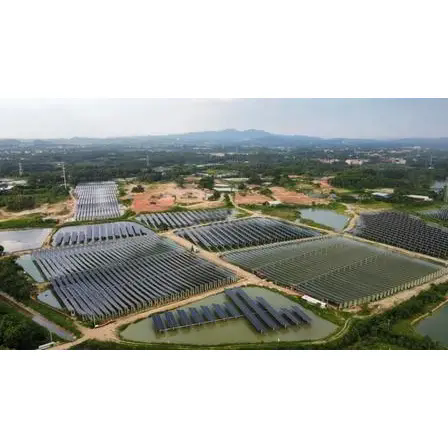
Floating PV projects differ completely from traditional ground solar installations. Most EPC contractors judge mounting system quality via standard land-based sample tests, ignoring unique aquatic operating environments. Many invisible underwater risks do not appear in short-term laboratory tests, but gradually cause structural failure and revenue loss throughout the 25-year project lifecycle.
PV‑EPC contractors and project investors often make key sourcing decisions relying on lab‑demonstrated smart solar tracking system prototypes. Bench‑tests verify rotation movement, wind‑stow trigger response and theoretical power‑gain figures. Multiple real‑world gaps never emerge under controlled workshop conditions and only surface after multi‑year site operation, hurting project bankability and triggering warranty disputes.
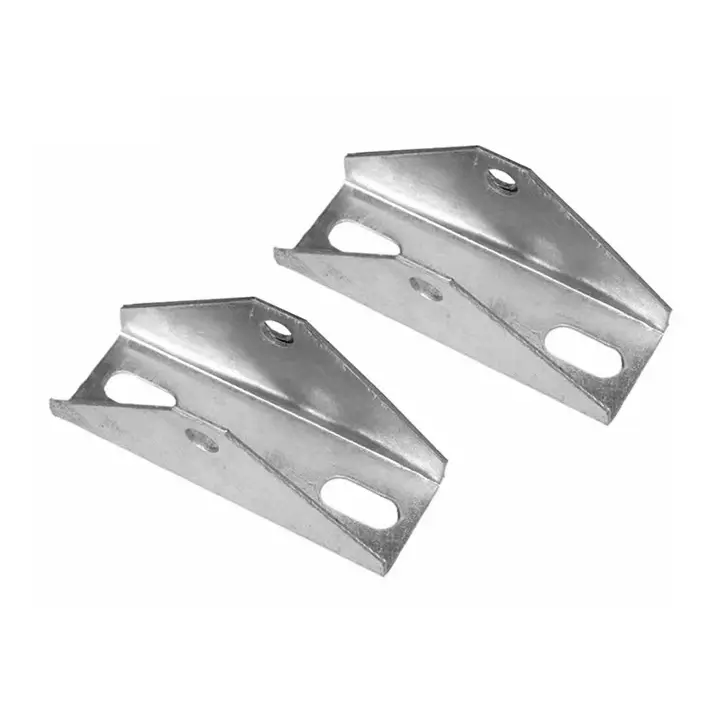
Solar mounting systems are exposed to wind, rain, temperature changes, snow, ultraviolet radiation, and other environmental stresses throughout their service life. The Solar Mounting Bracket is therefore far more than a simple connecting component. It forms an important structural link between the solar panel, mounting rail, roof, ground structure, or other supporting surface.
We use cookies to offer you a better browsing experience, analyze site traffic and personalize content. By using this site, you agree to our use of cookies. Privacy Policy