News

Can hidden aquatic risks reduce Floating PV Mounting System project lifespan?

2026-09-11 0 Leave me a message
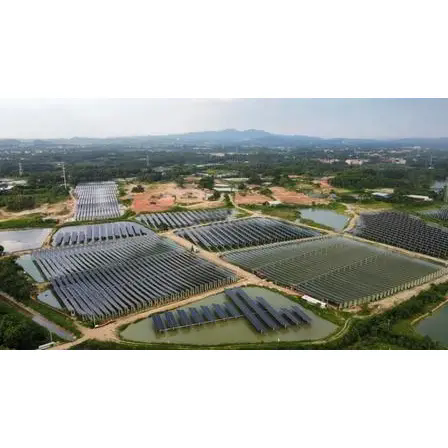
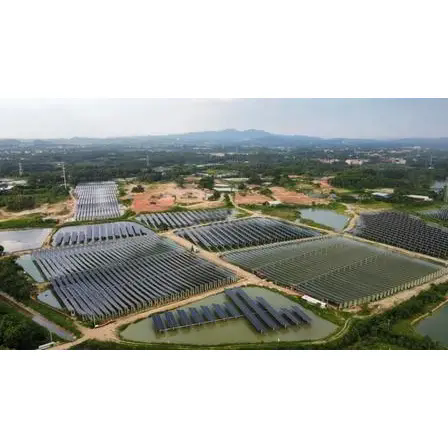
Floating PV projects differ completely from traditional ground solar installations. Most EPC contractors judge mounting system quality via standard land-based sample tests, ignoring unique aquatic operating environments. Many invisible underwater risks do not appear in short-term laboratory tests, but gradually cause structural failure and revenue loss throughout the 25-year project lifecycle.

Core aquatic environment risks ignored by conventional sampling inspection


Electrochemical corrosion: Salt and alkaline water accelerate metal joint oxidation invisible on dry samples
Wave fatigue loosening: Long-term water wave vibration consumes bolt pre-tightening force
Water level adaptation failure: Seasonal water level changes cause mooring system tension deviation

Aging acceleration: Humid water surface environment speeds up accessory aging and material fatigue

Floating PV Mounting System


1. Anti-corrosion verification for mixed metal contact in water environment

Dry laboratory testing can never simulate conductive water medium corrosion. Different metal profiles and fasteners produce electrochemical reactions after long-term immersion in brackish water, forming invisible corrosion points at splicing gaps.

These tiny corrosion points will expand year by year, damaging structural stability. Guojian Steel adopts targeted material matching schemes and isolated protection technology. Each batch of accessories undergoes simulated water body corrosion aging test to eliminate hidden dangers of dissimilar metal galvanic corrosion.

2. Dynamic wave cycle fatigue reliability test

Static tension tests used in conventional sample inspection cannot simulate real wave reciprocating impact. Floating PV arrays bear continuous micro-displacement and vibration from water waves all year round.

Long-term cyclic impact will loosen fixed joints that meet static standards, leading to array offset and overall structural instability. The factory builds professional wave simulation test conditions to verify bolt retention and structural tightness after millions of wave impacts, ensuring long-term operational stability of on-site equipment.

3. Full-cycle water level fluctuation adaptation design verification

Most suppliers only design according to fixed water depth standards. In actual reservoir and aquaculture water areas, water levels fluctuate drastically in flood and dry seasons.

Unreasonable mooring design will lead to excessive tension or slack of the positioning system, causing floating array drift and collision risks. Guojian Steel collects historical water level data of project sites to customize adaptive mooring solutions and complete extreme water level boundary simulation verification.

4. Specialized aquatic project batch traceability system

Ordinary prototype test reports are not applicable to floating PV project audit standards. Water environment operation requires unique corrosion resistance, vibration resistance and environmental adaptation test documents.

Bank-invested large-scale floating PV projects need batch-linked complete test archives to pass third-party financial and technical audits. We provide full English version batch traceability data including water environment aging test, wave fatigue test and material compatibility certification.

Smart procurement tips for floating PV EPC projects

  • Priority to suppliers with professional water environment simulation test capability
  • Insist on dynamic wave fatigue test reports instead of single static tensile data
  • Verify whether the mooring solution adapts to local seasonal water level changes
  • Require complete batch-level aquatic environment certification documents
Related News
Leave me a message
X
We use cookies to offer you a better browsing experience, analyze site traffic and personalize content. By using this site, you agree to our use of cookies. Privacy Policy
RejectAccept