Engineering accessories may seem small in size, but they are the key to the safe operation of the entire steel structure and photovoltaic support system. The stability of the entire project, apart from the main components themselves, largely depends on the accuracy and anti-corrosion performance of the connecting parts. We supply all kinds of supporting hardware needed for engineering projects, including both commonly used standard fasteners and custom machined parts according to drawings and samples.
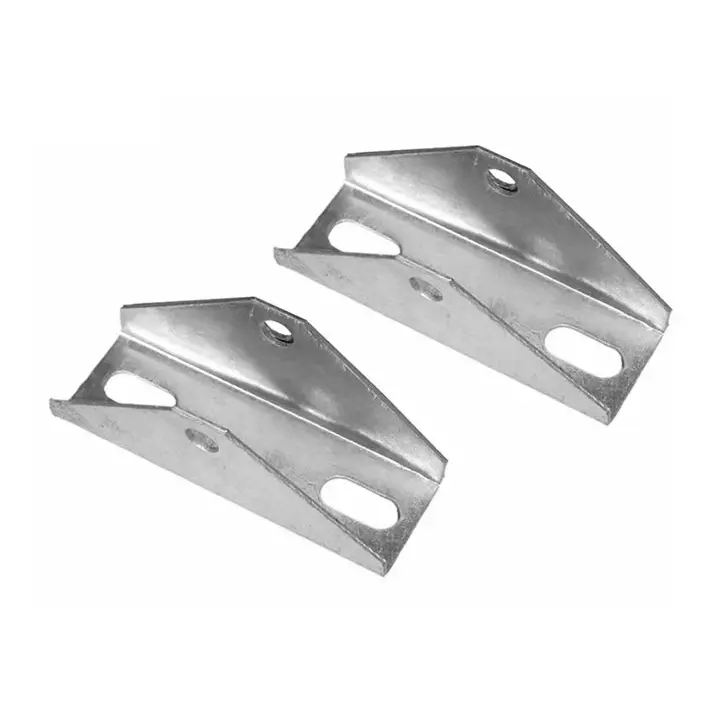
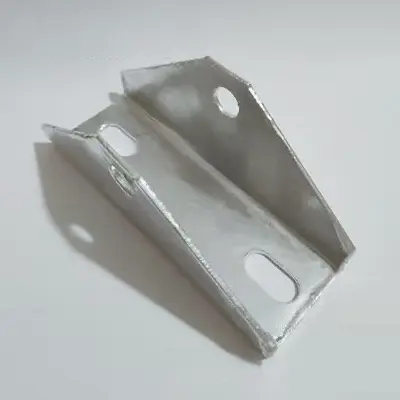
Standard accessories have a regular inventory, while non-standard parts require confirmation of drawings and samples before production can be arranged. All accessories undergo sorting and testing before leaving the factory, are classified and packaged according to the project list to reduce the workload of on-site sorting and avoid incorrect use and missing parts. We have served numerous factory steel structures, distributed photovoltaic, and ground power station projects, and are very familiar with the common pain points in the construction site, such as incorrect specification matching of accessories, non-compliant coating, and loose threads at the connection points. We avoid common quality risks from the raw material and processing stages. Our Mounting Accessories series includes products such as PV Mounting Components, Triangle Bracket Connector, and others.
Accessory category description
Engineering supporting hardware accessories are divided into two categories: standard parts and non-standard machined parts.
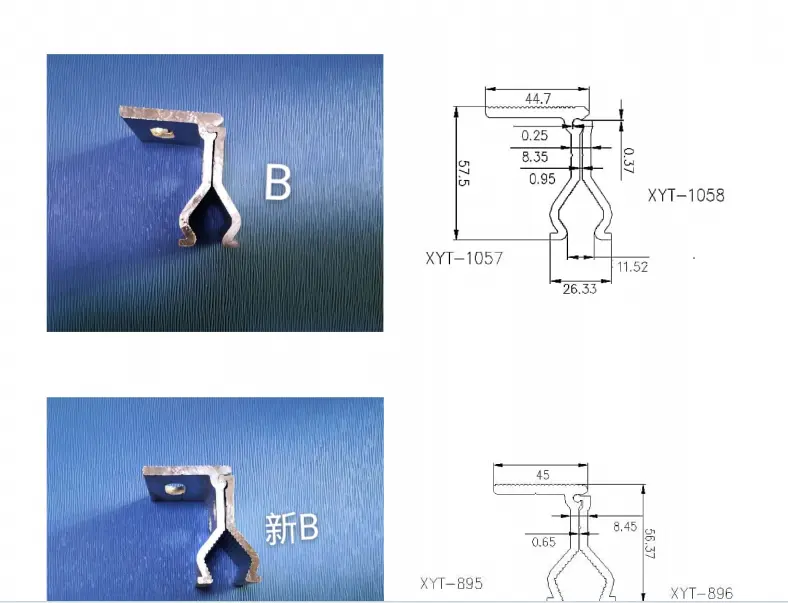
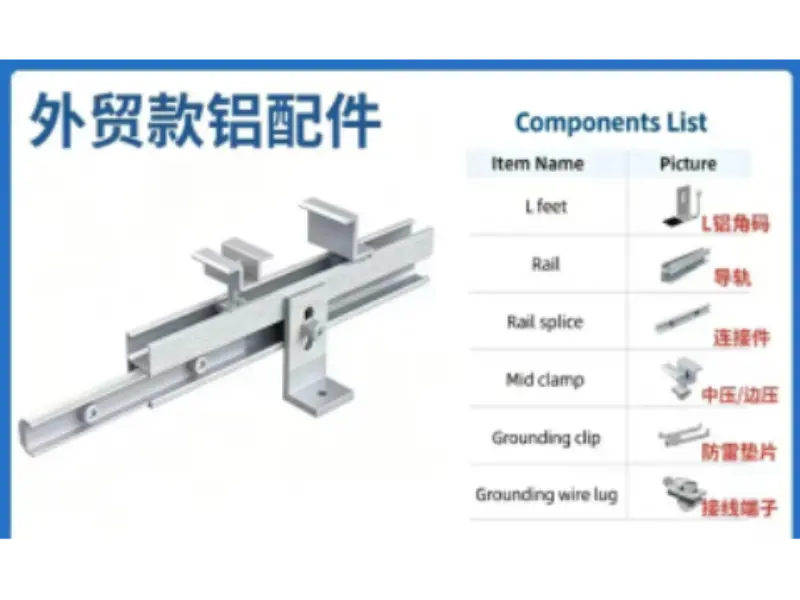
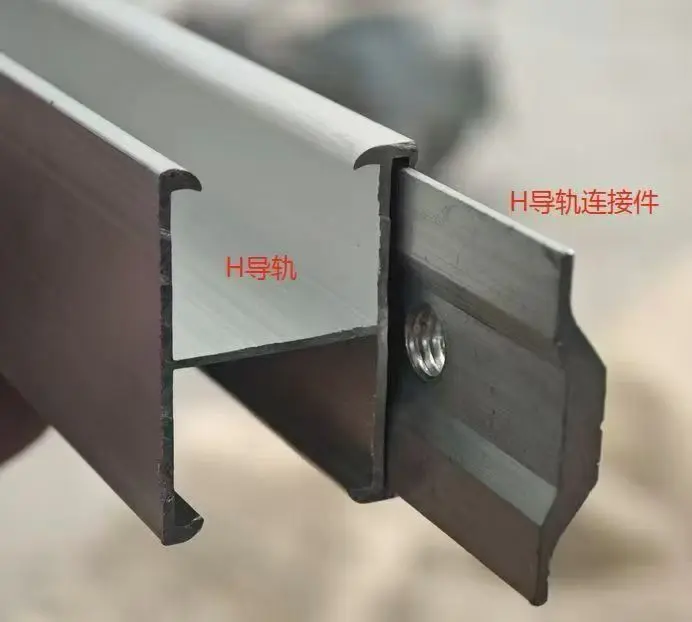
Standard parts include various high-strength bolts, nuts, spring washers, flat washers, stainless steel clamps, clamps, connection angle brackets, positioning washers, expansion connection pieces, etc., which are mainly used for locking, splicing, and fixation between components.
Non-standard machined parts include cut and punched transition plates, special angle pieces, custom clamps, special positioning parts, bent and pressed small parts, etc., which are specially processed for special nodes and installation positions in the project to solve the installation node problems that standard parts cannot adapt to.
The materials can be carbon steel hot-dip galvanized, zinc-aluminum-magnesium, 304 stainless steel, 316 stainless steel, and are suitable for different environments such as ordinary indoor, open-air outdoor, coastal salt spray, and chemical mild corrosion.
Accessory function analysis
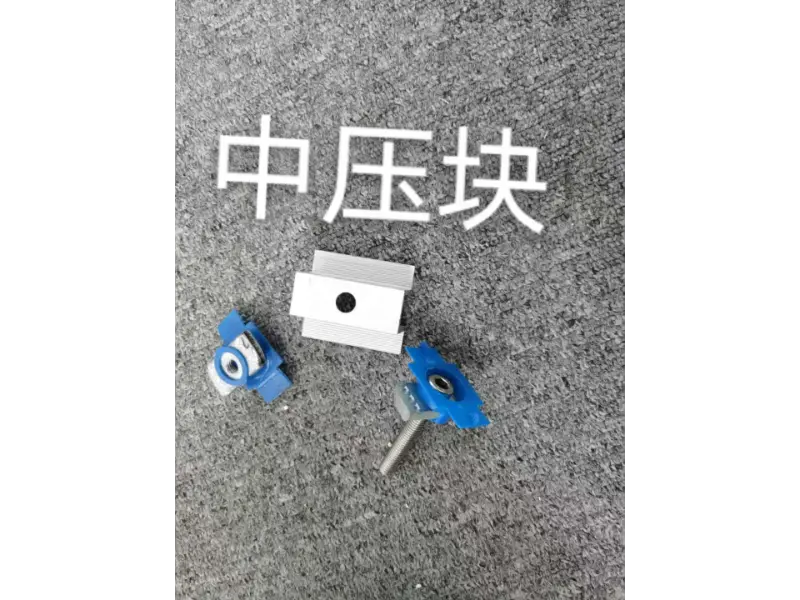
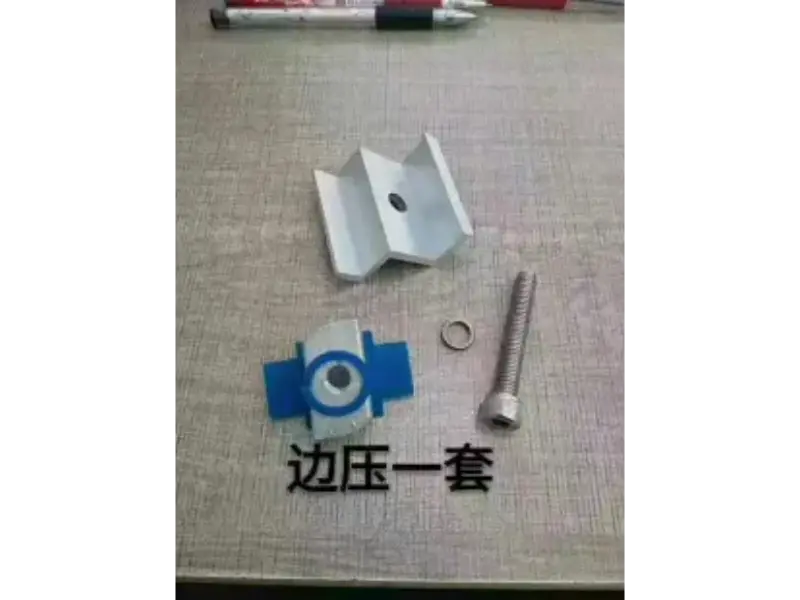
Various hardware accessories perform the functions of force transmission, locking, buffering, and positioning for the entire system. Bolts and nuts achieve the tight connection between components, transferring wind pressure, snow pressure, and equipment load to the main profiles; the pressure blocks and angle brackets complete the connection and positioning between profiles; the washers are used to eliminate assembly gaps, distribute locking pressure, and prevent excessive local stress; various non-standard transition pieces are used to handle special nodes and transitions between different profiles.
Once accessories are corroded, slip, or have size deviations, it will directly cause the node to loosen, and over time, it will bring overall system safety hazards. Therefore, the material, surface treatment, and processing accuracy of the accessories cannot be ignored.
Accessory selection guidance
When choosing supporting hardware accessories, the following four conditions should be mainly considered:
1. Operating environment: In inland ordinary environments, hot-dip galvanized carbon steel accessories can be selected; in coastal salt spray environments, 304 stainless steel should be preferred; for high-corrosion conditions, 316 stainless steel is recommended.
2. Load grade: Select corresponding strength grade bolts according to the size of the node's load. For steel structure projects, 8.8 grade and 10.9 grade high-strength fasteners are commonly used; for ordinary photovoltaic projects, 4.8 grade and 8.8 grade can be selected.
3. Profile specification for connection: The accessory size needs to match the profile section opening and thickness, and the bolt length should be reserved with sufficient locking margin to prevent assembly failure.
4. Supply mode: For large-scale standardized projects, standard parts in stock can be preferred; for special nodes or renovation projects, non-standard stamping and machining accessories can be customized.
Processing production process
Standard fasteners: Raw material wire/rod → cold heading forming → thread rolling processing → screening and sorting → surface anti-corrosion treatment → hydrogen removal and passivation → finished product inspection → storage.
Non-standard machined parts: Confirmation of drawings/samples → cutting and punching of plates and profiles → stamping/rolling → drilling and tapping → deburring and cleaning → anti-corrosion treatment → full inspection of dimensions → marking and storage.
Anti-corrosion processes include hot-dip galvanizing, electro-galvanizing, zinc-aluminum-magnesium coating, stainless steel passivation, anodizing, etc., carried out according to the selection requirements.
Quality control key points
Accessory inspection will not only check the appearance through sampling, but also focus on verifying several key indicators.
The raw material section checks the material grade report, distinguishes carbon steel and different grades of stainless steel, and avoids material mix-ups. Thread inspection gauge is used to check for slipped teeth and incomplete threads; coating thickness is measured to ensure corrosion resistance and durability; external dimensions, hole spacing, and hole size of non-standard parts are verified.
Cracks, burrs, and deformed workpieces are screened out during the appearance inspection. Unqualified products are directly sorted and isolated, and are not mixed into the shipment batch. It can be combined with third-party sampling inspection to provide salt spray test reports and material certificates.
Packaging and sorting for outbound
Small-sized standard parts are packed separately using woven bags and cardboard boxes, different specifications are packaged separately, and the outer box is printed with specification labels; project orders will be sorted and packaged according to the construction area and node requirements, and each package is labeled with the model specification and quantity.
Large-angle brackets and adapter plates are packed on pallets to avoid handling knocks. Each batch of orders comes with a detailed list of accessories, clearly listing the model, quantity, and other information, facilitating on-site receipt and counting, and reducing missing or incorrect parts.
Suitable for project scenarios
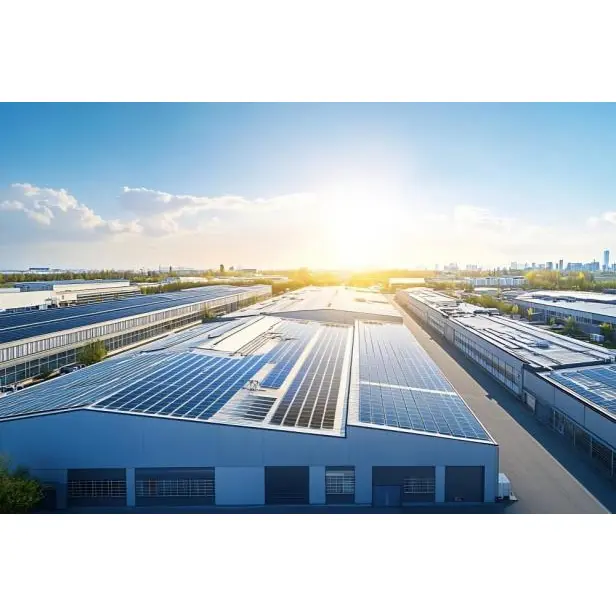
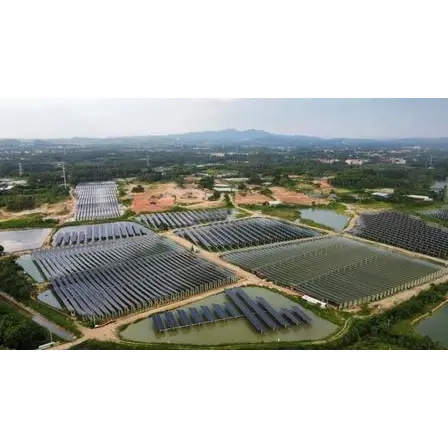
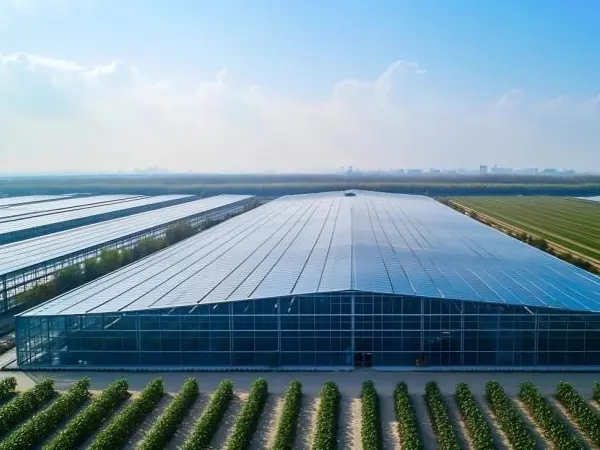
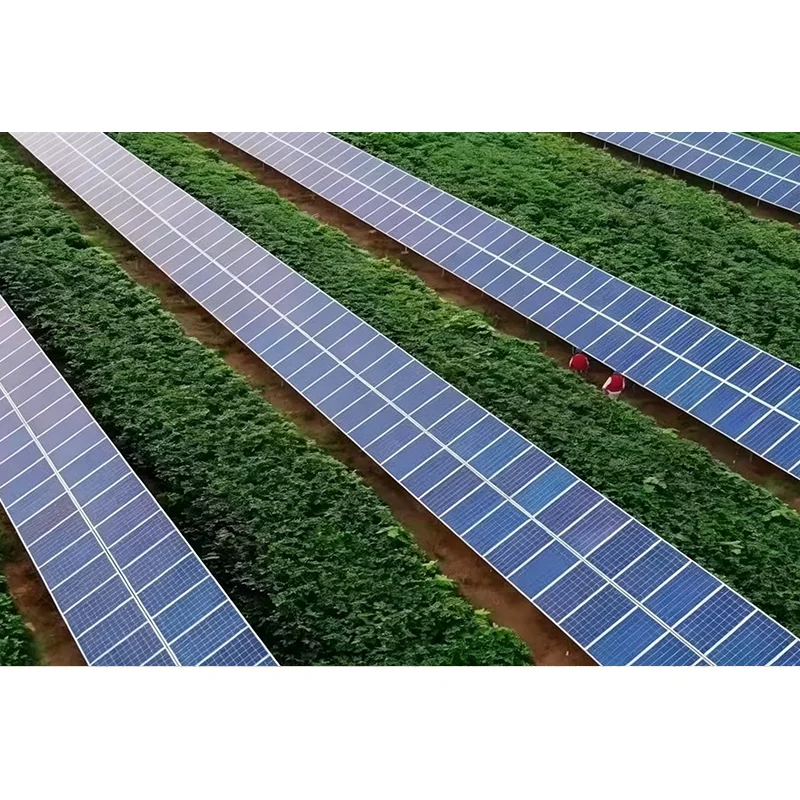
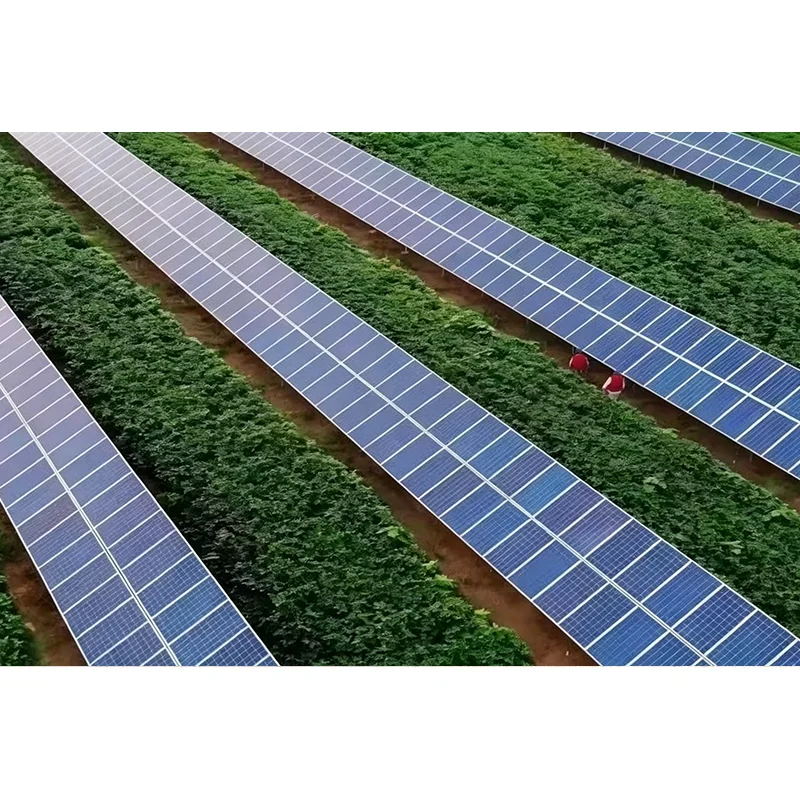
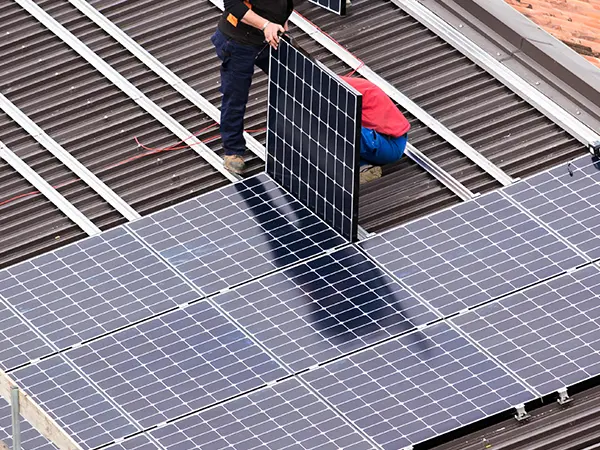
Matching hardware accessories are widely used in various projects: photovoltaic power station projects, used for pressing and fixing of photovoltaic support components, and joining of profile components; industrial steel structure factories, used for locking of steel beams and columns nodes; steel structure of storage warehouses, used for connecting roof trusses and secondary components; equipment platforms and maintenance walkways, completing various node assemblies; renovation and repair projects, used for reinforcing old projects and replacing old corroded connection components; it can also be provided as a supply partner for equipment manufacturing and steel structure deep processing enterprises.
Project cooperation connection instructions
If standard parts are selected, the model, strength, material, and purchase quantity can be directly provided; for non-standard parts, drawings or physical samples can be provided, and after process assessment and cost calculation, production will be carried out.
Large-scale engineering orders and scattered supplementary parts requirements can be accepted. Material reports and coating inspection materials can be provided simultaneously for shipment, meeting project inspection requirements. If there are assembly questions at the project site, online assistance can be provided to confirm the accessory selection plan.
FAQ
Q1: Can only a small part of the accessories be purchased for supplementary parts?
A: Yes, standard parts support small-batch replenishment; non-standard customized parts have corresponding processing minimum requirements, and the specific requirements depend on the difficulty of part processing.
Q2: How to confirm whether to choose stainless steel or hot-dip galvanized accessories?
A: In inland ordinary construction sites, hot-dip galvanized carbon steel is sufficient; in coastal areas or areas with high salt spray, 304 stainless steel is recommended; in chemical corrosion environments, 316 stainless steel is recommended.
Q3: How long does it take for non-standard parts to be delivered?
A: After the drawings are confirmed, regular stamping and bending accessories take 7-12 working days; the cycle for complex machining parts will be correspondingly extended.
Q4: How to select the strength grade of the bolts?
A: For photovoltaic support components, the regular choice is 8.8 grade; for steel structure main nodes, 8.8 grade or 10.9 grade high-strength bolts are preferred, and the model is selected in accordance with the design drawings.
Q5: How long is the accessory warranty period?
A: Under normal usage conditions of the design, standard fasteners provide a 5-10 year warranty; damage caused by human disassembly and exceeding the design corrosion environment is not within the warranty scope.
Purchase reminder
When submitting requirements, try to specify: project type, usage environment, required material, strength grade; for non-standard parts, provide drawings or samples.
Overall process: requirement communication → specification confirmation → quotation → order → production/stock adjustment → inspection and sorting → packaging and shipment.