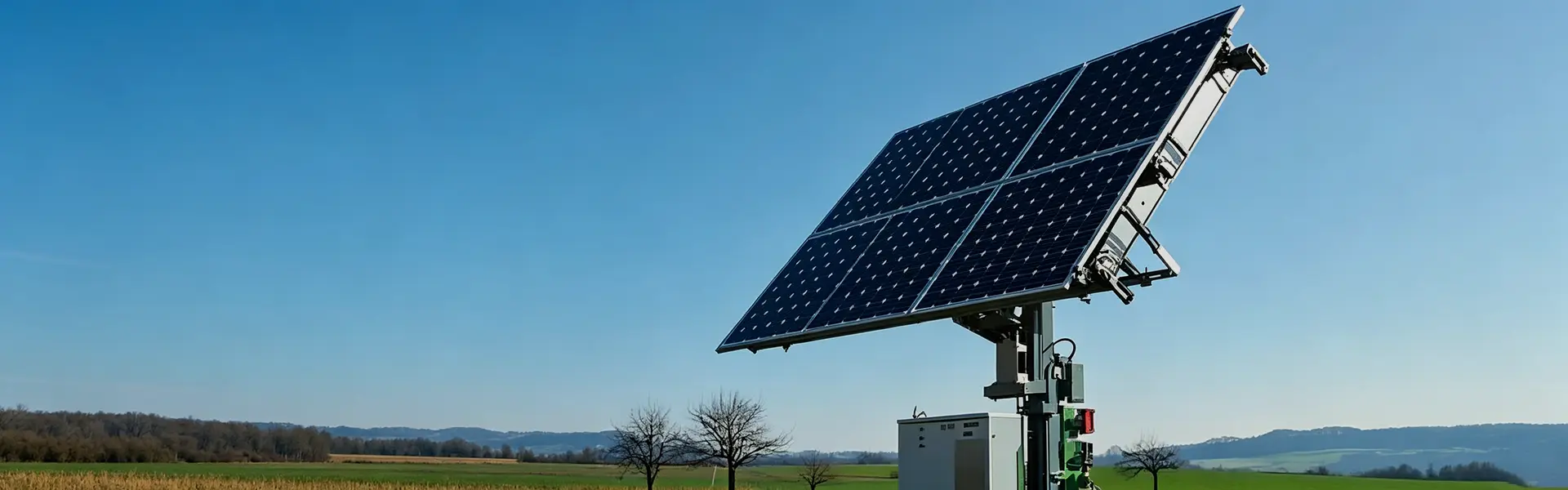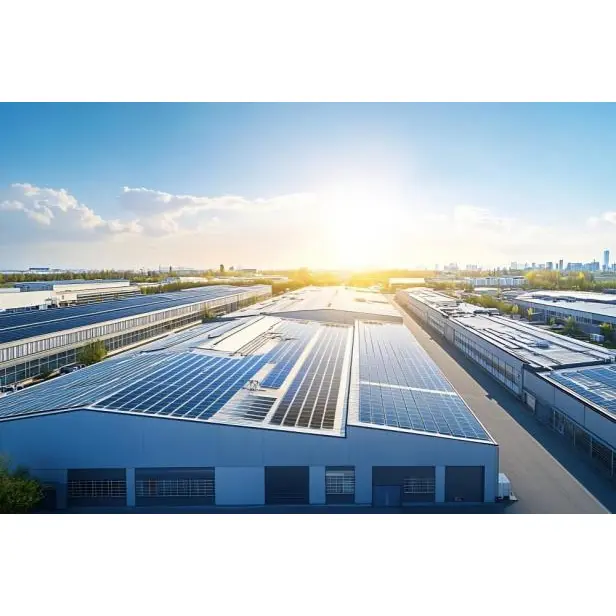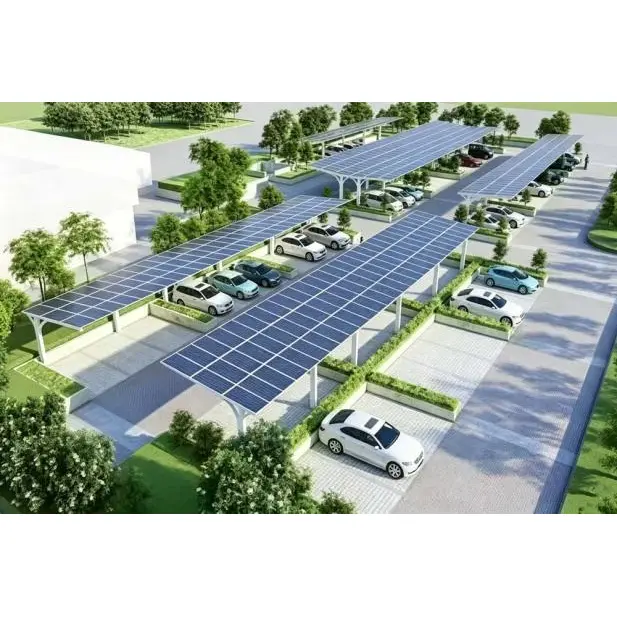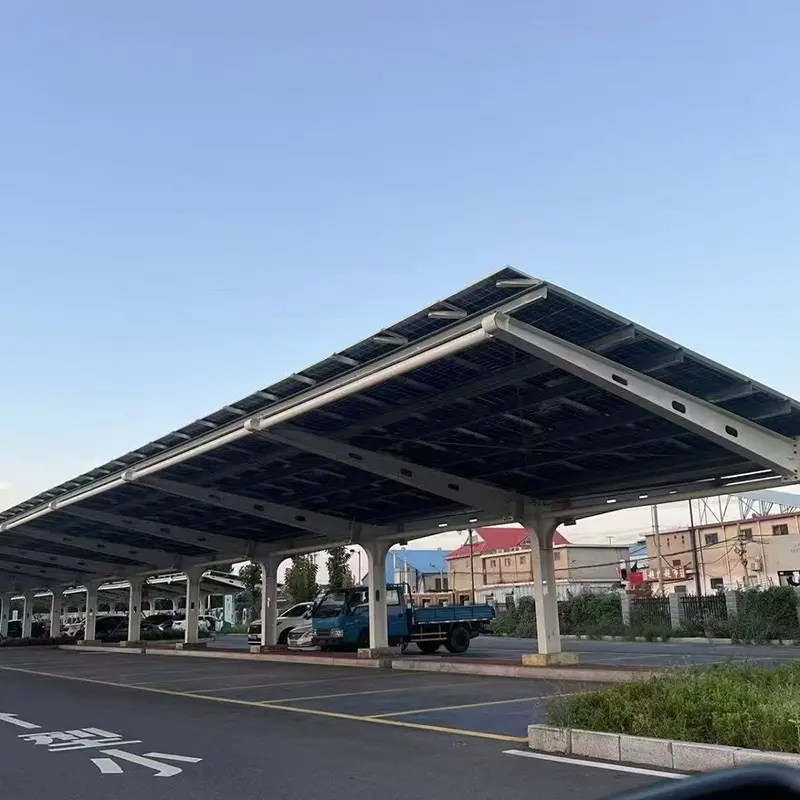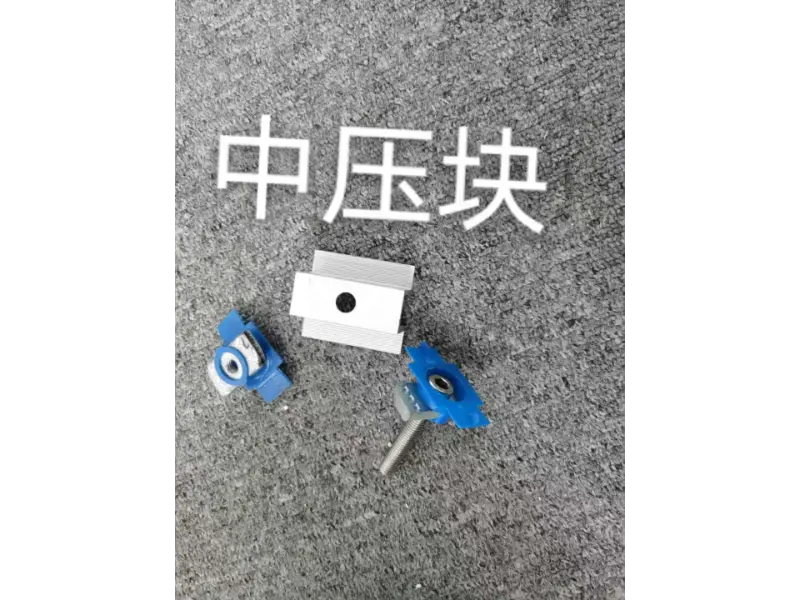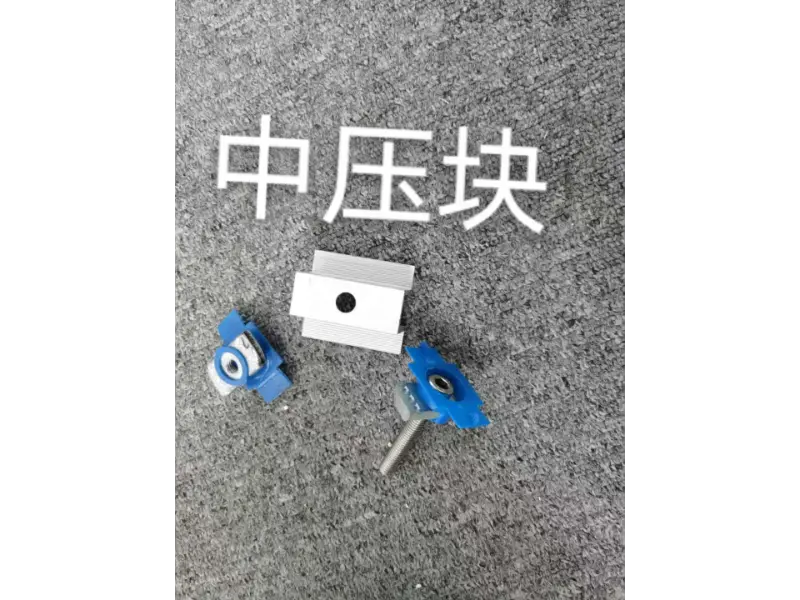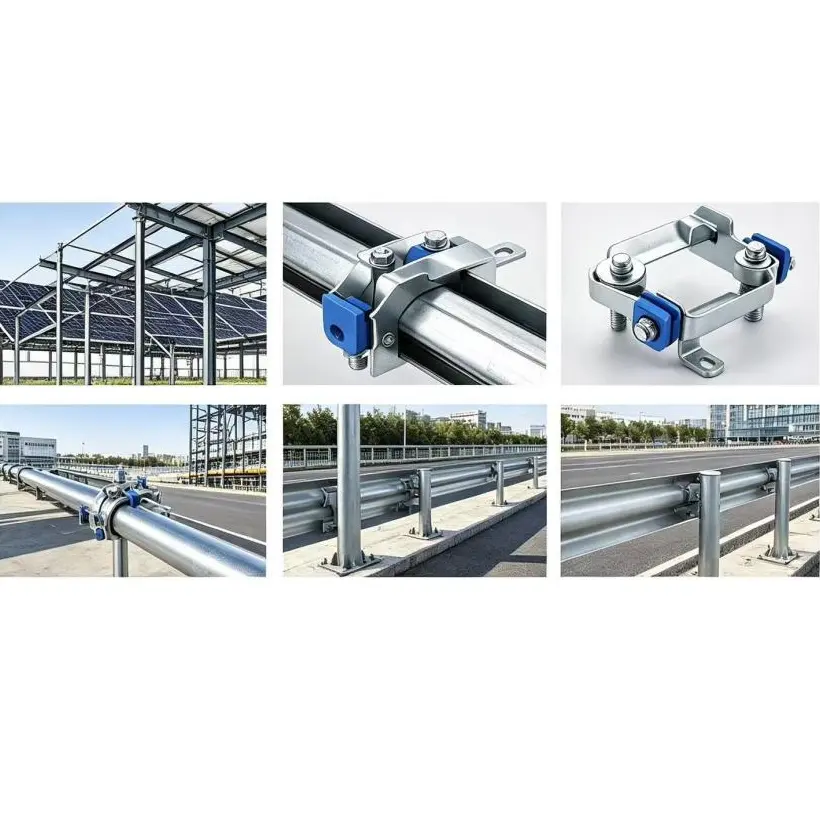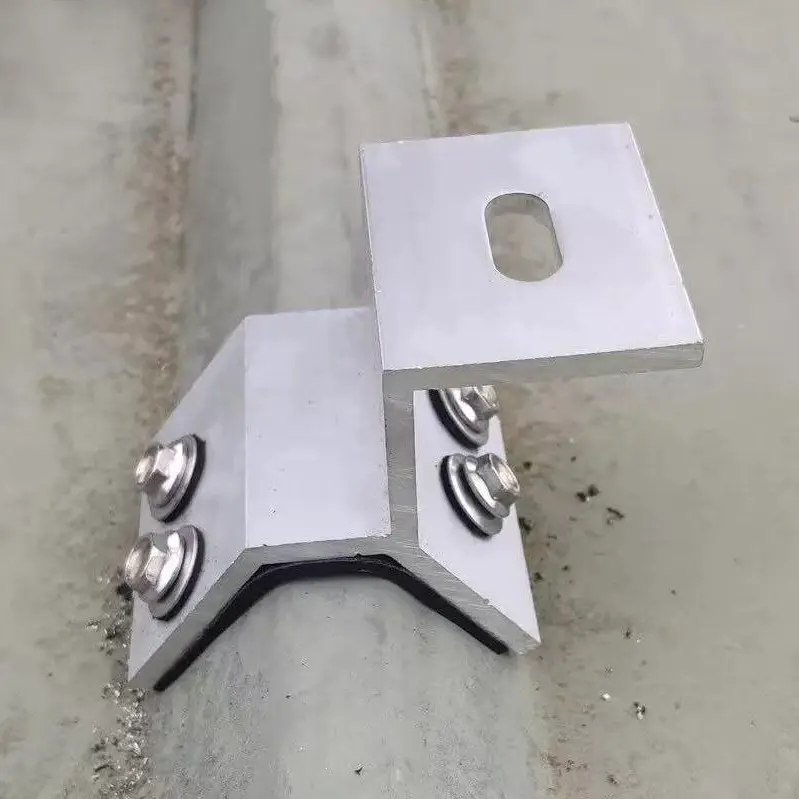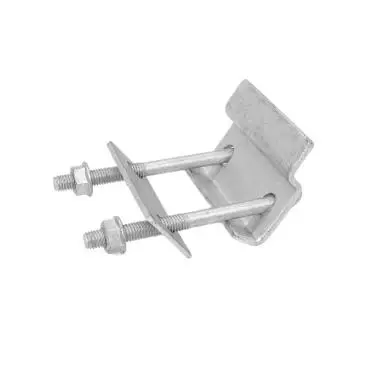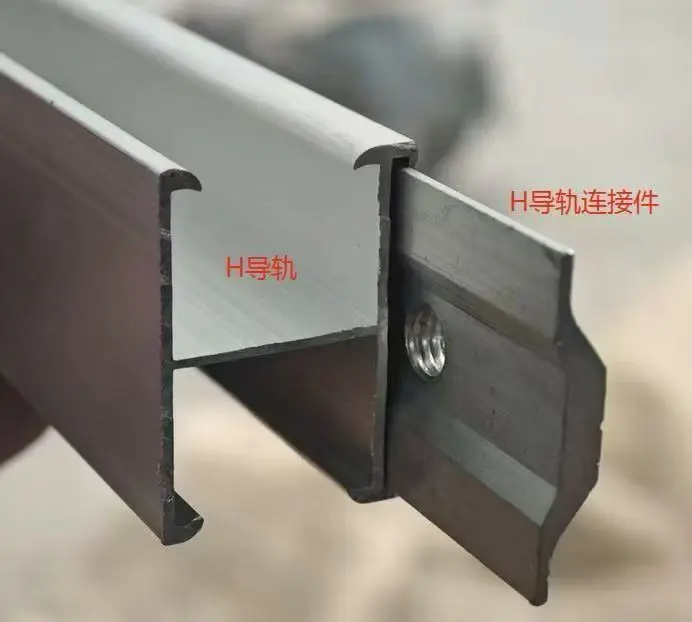
Guojian’s manufacturing facility operates 8 production lines dedicated to C-channel steel and specializes in the production of aluminum alloy intermediate clamps. These clamps serve as essential connecting components for photovoltaic (PV) mounting systems. They are manufactured via high-strength aluminum alloy extrusion and feature an anodized, corrosion-resistant finish. Designed with an anti-slip structure for easy installation, they are compatible with PV modules of varying thicknesses. The products meet both domestic and international standards for PV projects, and the company offers both mass production and customized manufacturing solutions.
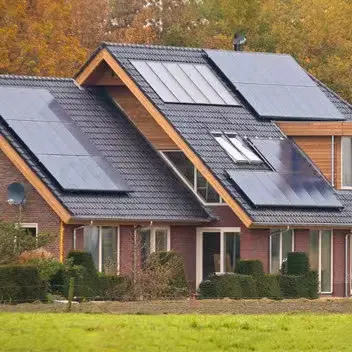
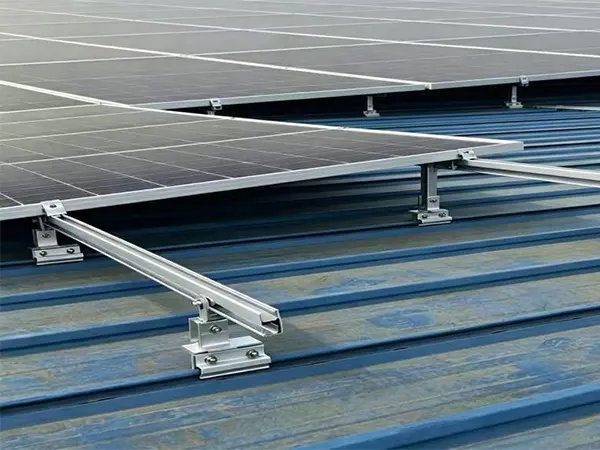
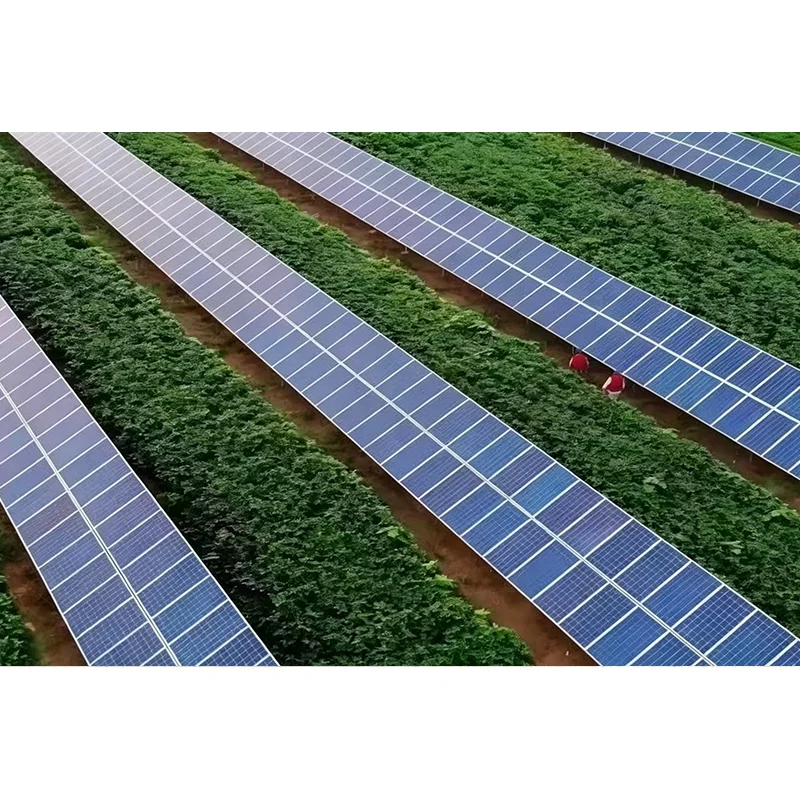
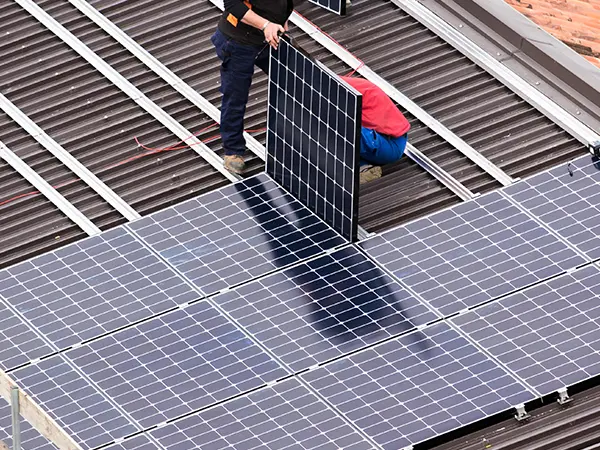
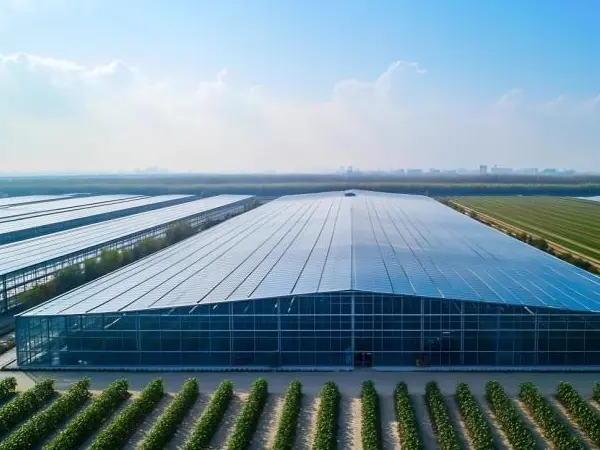
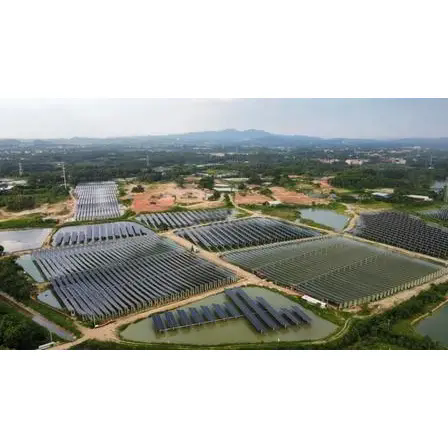
The aluminum alloy intermediate clamp (photovoltaic mid-clamp) is a specialized component designed to secure photovoltaic (PV) modules. Positioned between two adjacent PV panels, it locks the modules onto the mounting rails, restricts horizontal displacement, and enhances the wind and seismic resistance of the entire array. It comes with 304 stainless steel fasteners and an optional EPDM anti-slip rubber pad to protect the module frames from damage. The design incorporates drainage and airflow channels to minimize the accumulation of dust, water, and snow. These clamps are widely used in commercial and industrial rooftop installations, residential PV systems, and utility-scale ground-mounted solar power plants. Dimensions can be customized based on module thickness and specific project load requirements.
Core Functions
1. Intermediate Clamping and Securing:
Installed between two adjacent PV modules, the aluminum alloy intermediate clamp locks the modules firmly onto the mounting rails. It restricts both horizontal and vertical displacement, ensuring the modules remain neatly aligned and subject to stable, uniform forces; it serves as the primary connecting component for securing the entire array.
2. Wind and Seismic Resistance:
By providing multi-point clamping, the device limits module movement and oscillation during high winds or seismic events. This prevents the modules from shifting off the rails or vibrating under extreme loads, thereby improving the overall stability of the array in harsh weather conditions.
3. Anti-Slip and Anti-Loosening:
The internal anti-slip serrations, combined with an EPDM rubber pad, increase friction between the clamp and the module frame. This prevents the modules from sliding or loosening, while also cushioning the clamping stress to protect the module frames from being crushed or damaged.
4. Load Transfer:
The clamp evenly transfers the weight of the modules—along with wind and snow loads—to the mounting rails, support columns, and the foundation structure. This distributes stress, preventing localized overloading that could otherwise lead to structural deformation or damage to the PV modules.
5. Drainage and Airflow:
The structure of the aluminum alloy intermediate clamp features integrated drainage and airflow channels. These facilitate the efficient runoff of rainwater and condensation, reducing the accumulation of dust, water, and snow at the clamping points, while also minimizing the risks of shading and excessive load buildup on the modules.
6. Compatibility and Versatility:
Compatible with standard solar module thicknesses (e.g., 30mm, 35mm, 40mm) and customizable for non-standard dimensions. Designed to work with various frame structures and modules from different manufacturers, a single supply system can meet the requirements of diverse projects.
Technical Specifications
Item
Specification
Base Alloy Grade
Aluminum Alloy 6005-T5 / 6063-T5 (optional)
Surface Treatment
Silver anodizing, film thickness ≥10μm
Anodic Film Thickness
≥10μm, thickened customization available for coastal and high salt spray environments
Compatible Module Thickness
30mm, 35mm, 40mm (customizable)
Standard Length
40/50/60/80mm (cut to size on request)
Structure Type
Modular mid-clamping structure with anti-slip tooth profile on inner side
Supporting Fasteners
304 stainless steel T-bolts & nuts
Optional Accessories
EPDM rubber anti-slip gaskets
Wind Load Resistance
Up to 60m/s (rechecked per project)
Snow Load
1.4kN/m² (calculated per project)
Application Scenarios
Commercial & industrial rooftops, residential PV, ground-mounted central PV power stations
Applicable Standards
GB/T 5237, CE, ISO9001 certifications available
Packaging and Logistics Services
1. Individual Packaging:
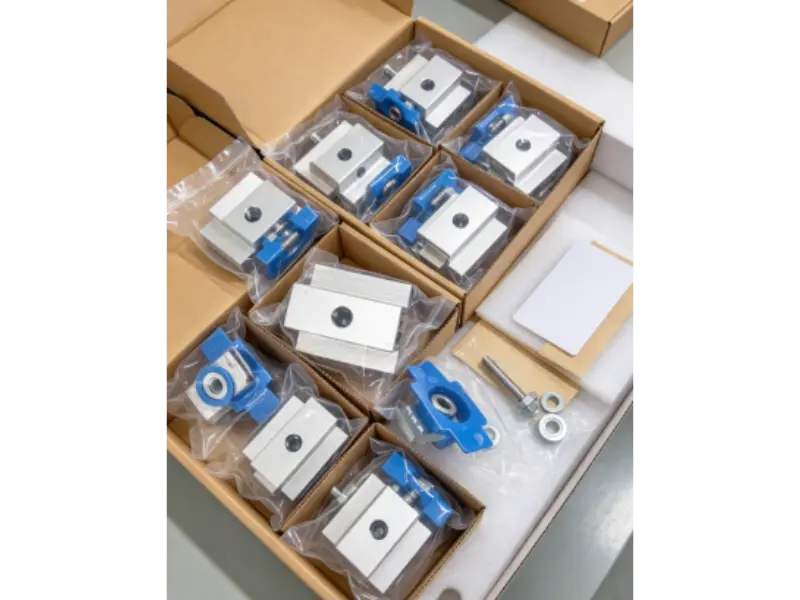
Each aluminum alloy intermediate clamp is packed separately to prevent friction or impact, protecting the anodized surface and ensuring no scratches or coating damage occur during transit.
2. Clear Labeling:
Items are sorted by model and specification, with clear labels and packing lists included to facilitate rapid on-site inventory checks and organized storage.
3. Quantity Verification:
Every shipment undergoes a thorough count and verification of models and batches to ensure that the actual items—in terms of quantity and specifications—perfectly match the packing list, preventing shortages or omissions.
4. Reinforced Outer Packaging:
Goods are packed in sturdy standard cartons or wooden crates, equipped with internal cushioning materials and reinforced corner protectors to prevent deformation from impacts during transport.
5. Moisture Protection:
Desiccants are included within the packaging to ensure a dry environment throughout sea or land transit, preventing moisture-related damage to the anodized coating and ensuring the components are ready for immediate installation upon arrival.
6. Logistics Support:
Flexible delivery options include phased shipments. For international orders, we provide comprehensive packing lists and customs documentation to ensure smooth export clearance; for domestic orders, we offer direct-to-site full-truckload delivery, aligned with construction schedules.
Installation Process
1. Pre-installation Briefing:
We provide installation plans and technical documentation, outlining key installation points, tightening requirements, and essential precautions, supported by a pre-construction technical briefing.
2. Positioning and Layout:
Based on the design blueprints, the layout of the solar modules and mounting rails is determined, and the installation points for the mid-clamps are marked to ensure consistent spacing and alignment.
3. Module Placement:
Solar modules are positioned onto the mounting rails; the spacing and leveling between adjacent modules are adjusted to ensure that the module frames fit perfectly into the slots of the mid-clamps.
4. Installation and Tightening:
Install the aluminum alloy intermediate clamps and tighten the T-bolts to the specified torque. Ensure the tightening force is well-controlled—avoid excessive force that could damage the module frames, and ensure they are not too loose, which could lead to instability.
5. Anti-slip Inspection:
Verify that the EPDM rubber pads and anti-slip serrations are correctly positioned. Inspect each clamping point to ensure the modules are secure and will not slip or loosen.
6. Final Inspection and Acceptance:
Check the entire array to ensure all components are properly tightened and leveled. Verify the gaps between modules and their overall alignment. Once the load-bearing requirements have been confirmed and the installation passes inspection, the project can be handed over.
FAQ
Q1: What gap should be left between the frames of two adjacent modules when using a mid-clamp?
A: For standard projects, a 5–8 mm expansion gap is sufficient to accommodate thermal expansion and contraction. We can also recommend the appropriate specifications based on your project drawings when you place an order.
Q2: What is the correct tightening torque for mid-clamps, and will it damage the module frames?
A: Tighten the T-bolts according to the standard torque specifications. With the EPDM rubber pad acting as a buffer, proper tightening will not damage the module frames. However, excessive torque can crush the aluminum frames, so over-tightening should be avoided.
Q3: Will the bolts used with the mid-clamps seize up during long-term outdoor use, making them difficult to remove later?
A: We supply 304 stainless steel fasteners as standard, which offer good resistance to seizing. For long-term outdoor projects, bolts with an anti-seize coating can also be selected to facilitate easier removal during future maintenance or module replacement.
Q4: Can mid-clamps be reused if the serrations (teeth) are worn down?
A: They may be reused if the serrations are not significantly worn and the profile remains undeformed. If the serrations are heavily worn, the anti-slip performance will be compromised; therefore, we do not recommend using them for new photovoltaic projects.
Q5: Can mid-clamps of different thickness specifications be mixed on the same rooftop project?
A: Mixing different specifications is not recommended. Using intermediate clamps of varying thicknesses can lead to uneven loading on the modules, potentially causing localized stress concentrations and increasing the risk of micro-cracks; therefore, it is best to standardize the specifications.
Q6: What specific considerations should be kept in mind when selecting intermediate clamps for large-format, dual-glass modules?
A: Given the greater self-weight of large-format dual-glass modules, it is advisable to prioritize the use of thicker aluminum alloy intermediate clamps. Additionally, verify the height of the module frame, confirm the effective clamping contact length, and—if necessary—increase the number of clamping points.
Get Solar Mounting Bracket, Steel Structure, Mounting Accessories insights or pricing: Leave your email below, and we’ll reach out promptly (within 24 hrs).
We use cookies to offer you a better browsing experience, analyze site traffic and personalize content. By using this site, you agree to our use of cookies. Privacy Policy