Send Inquiry
English
Products
Zinc‑Aluminum‑Magnesium Coated Steel Structure
  • Zinc‑Aluminum‑Magnesium Coated Steel StructureZinc‑Aluminum‑Magnesium Coated Steel Structure

Zinc‑Aluminum‑Magnesium Coated Steel Structure

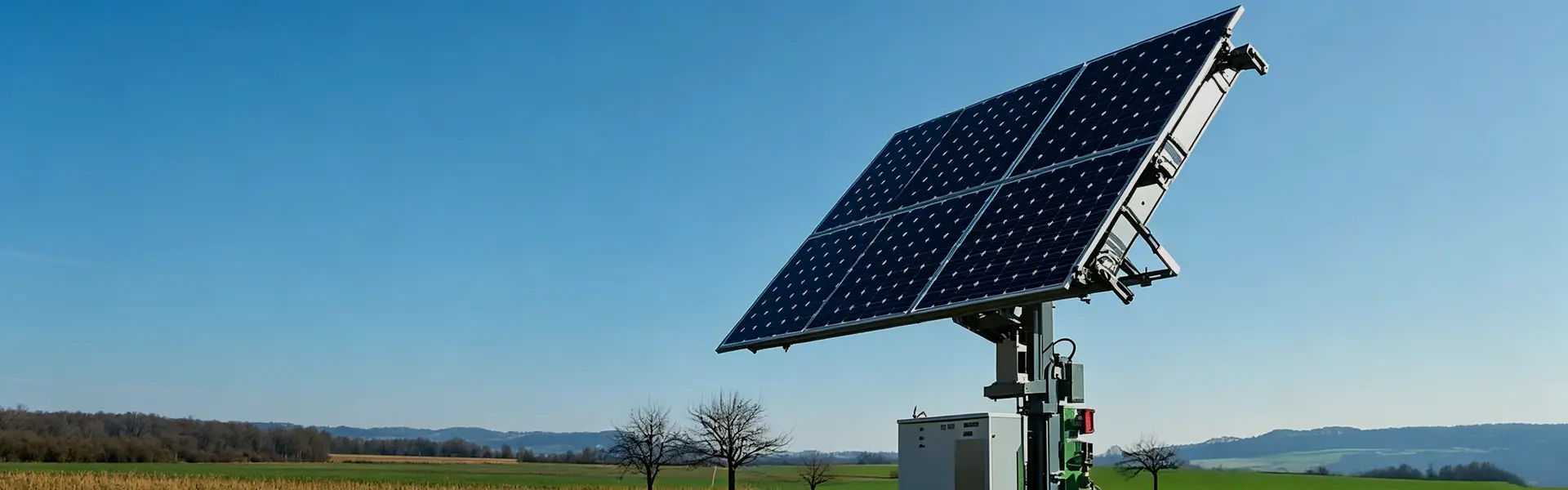
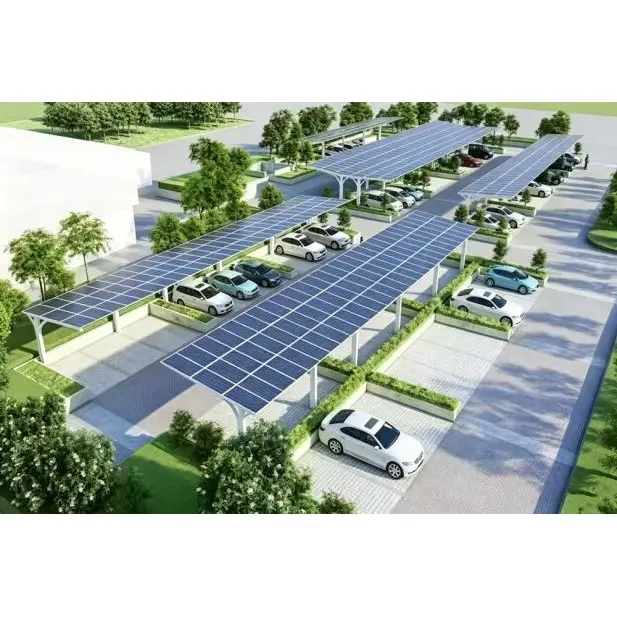
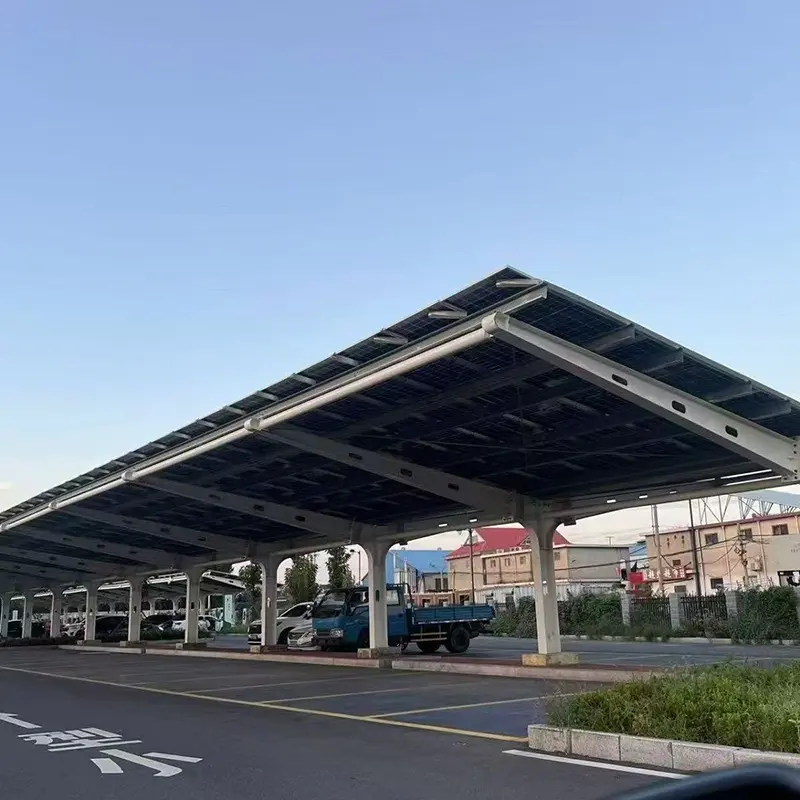
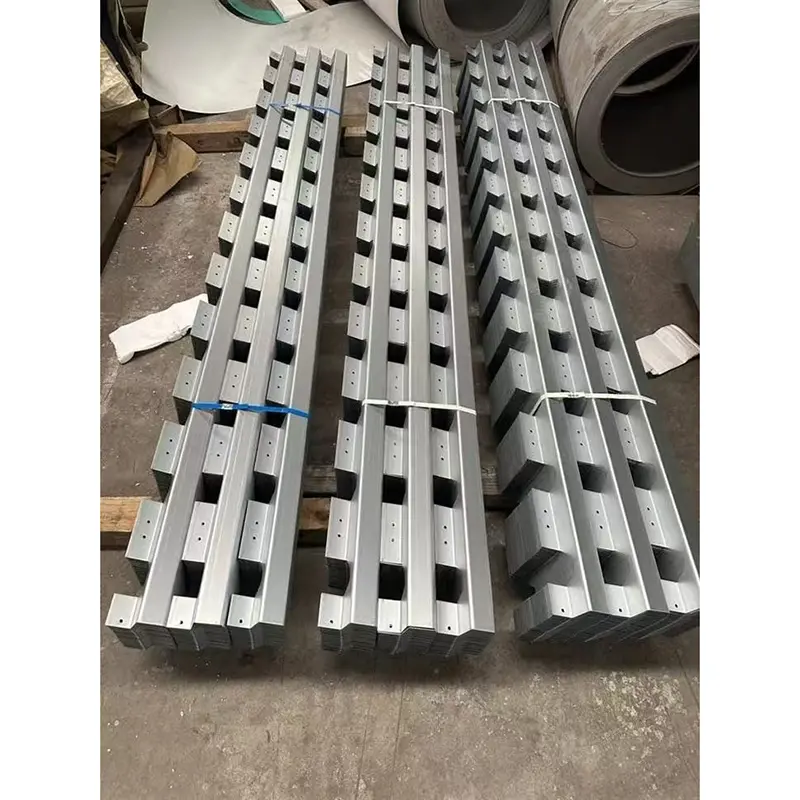
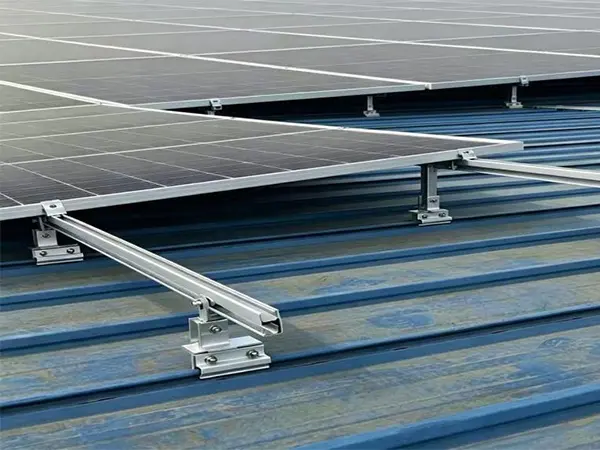
Guojian (Tianjin) Steel’s new Zinc‑Aluminum‑Magnesium Coated Steel Structure structures utilize a multi-element hot-dip coating process, representing a new generation of outdoor corrosion-resistant steel products. Compared to traditional hot-dip galvanizing, these structures offer significantly enhanced salt spray and rust resistance, making them ideal for photovoltaic mounting systems, solar carports, and outdoor structural steel frameworks. Manufactured using national standard Q235B/Q355B base materials, the products support custom fabrication of profiles and connection components. Third-party coating inspection reports are available to meet the needs of both domestic projects and export orders, ensuring long-term durability in highly corrosive environments.

The new Zinc‑Aluminum‑Magnesium Coated Steel Structure by Guojian is a system featuring a multi-element protective coating—comprising aluminum, magnesium, and zinc—applied to the steel substrate. Components undergo all machining processes—such as cutting, punching, welding, and grinding—before receiving the aluminum-magnesium-zinc composite dip-coating treatment.

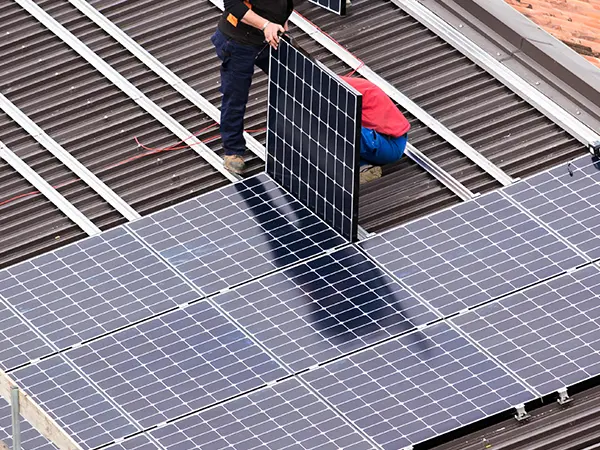
The coating integrates the protective advantages of aluminum (passivation), magnesium (activation and repair), and zinc (sacrificial anode protection). It forms a dense protective layer not only on the outer surfaces but also on the inner walls of tubes, at weld seams and edges, and within bolt holes. Components are prefabricated in the factory and assembled on-site using high-strength fasteners, thereby minimizing on-site welding work.

Developed for highly corrosive environments—such as coastal areas, saline-alkali soils, and chemical plant zones—this product is widely used in renewable energy (photovoltaics), municipal outdoor facilities, and industrial steel structures. Profile specifications and coating thicknesses can be adjusted based on project-specific wind and snow loads as well as environmental corrosivity levels, balancing the dual requirements of structural strength and long-term corrosion resistance.

Zinc Aluminum Magnesium Coated Steel Structure

What is the new aluminum-magnesium alloy coated steel structure?

While conventional hot-dip galvanizing relies primarily on zinc for protection, the aluminum-magnesium alloy coating is a multi-element metallic coating based on zinc but enhanced with specific amounts of aluminum and magnesium.

If the coating sustains minor scratches or damage, magnesium acts first to provide "activation protection," inhibiting the spread of corrosion to the steel substrate; aluminum rapidly forms a dense passivation film to block the ingress of moisture and salts; and zinc provides sacrificial anode protection. This synergy of multiple mechanisms significantly enhances salt spray resistance and extends service life in highly corrosive environments compared to conventional hot-dip galvanizing, making it the preferred steel protection solution for high-corrosion scenarios in the photovoltaic industry.


Core Product Advantages

1. Synergistic protection from multiple alloys; excellent performance in highly corrosive environments

The synergistic protection of aluminum, magnesium, and zinc offers superior salt spray resistance compared to traditional hot-dip galvanizing, providing stronger rust and corrosion resistance against coastal salt spray, saline-alkali soil, and chemical exhaust fumes.

2. Strong self-healing capability for scratches

In the event of minor scratches caused during transport or installation, the magnesium in the coating rapidly forms a protective passivation film. This inhibits the expansion of rust spots and reduces the risk of corrosion resulting from on-site impacts or abrasions. 

3. Dense coating with effective protection for crevices and hard-to-reach areas

The alloy coating adheres uniformly to the pipe interior, weld seams, bolt holes, and sharp corners, minimizing the risk of corrosion-induced perforation at edges and corners.

4. High resistance to heat and humidity

The coating offers excellent high-temperature stability and resists peeling or powdering in hot, humid environments, making it suitable for long-term service in the hot, humid climate of southern regions and under direct outdoor exposure.

5. Excellent mechanical properties and processing compatibility

The coating possesses good toughness; it does not easily crack or flake off over large areas during bending or drilling, making it compatible with the processing of various structural steel shapes and medium-to-thick connecting plates.

6. Comprehensive component coverage with unified anti-corrosion standards

Main beams, columns, diagonal braces, medium-to-thick connecting plates, and fasteners can all undergo the aluminum-magnesium alloy coating process simultaneously. This ensures a consistent anti-corrosion grade across the entire steel structure, preventing localized premature rusting.


Key Components & Application Scenarios

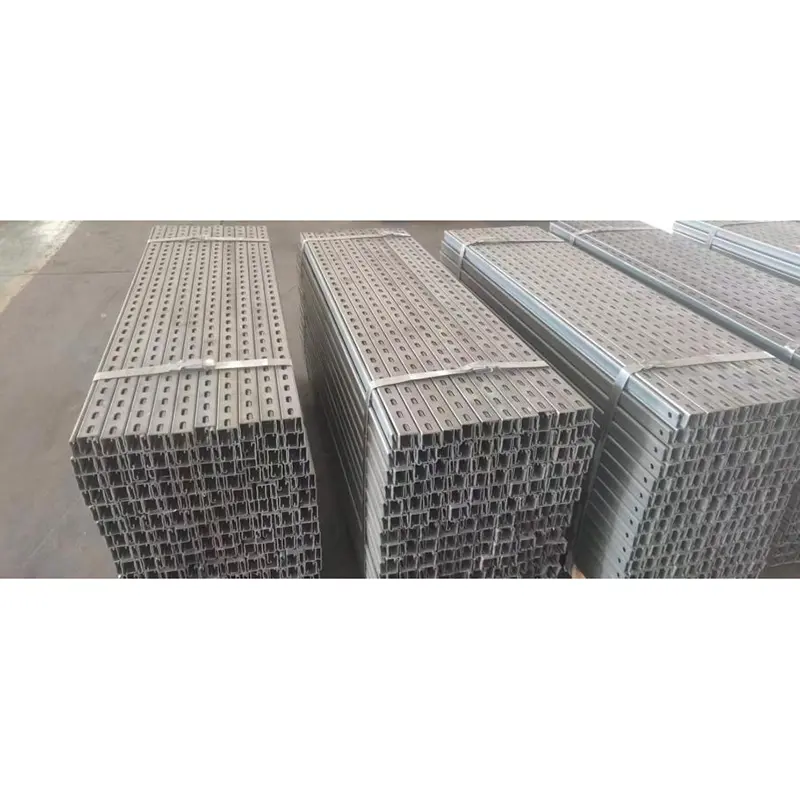
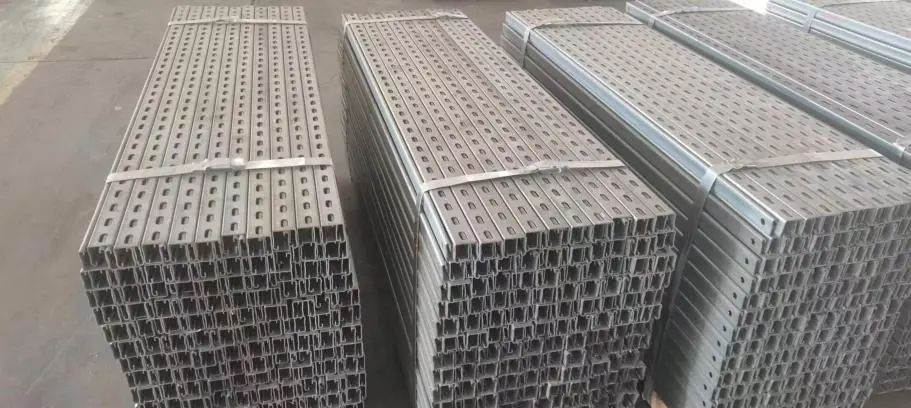
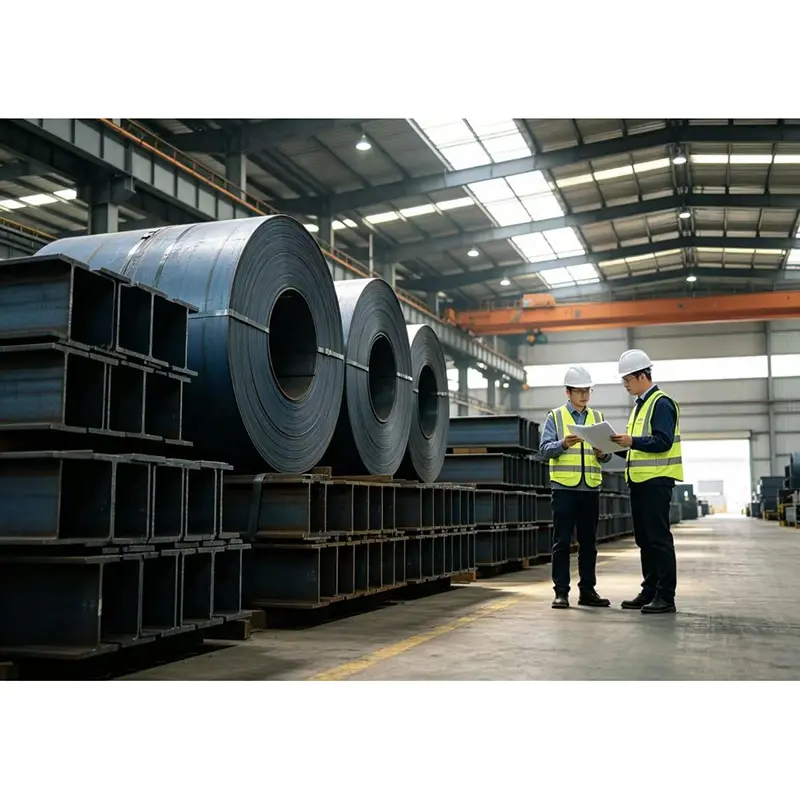
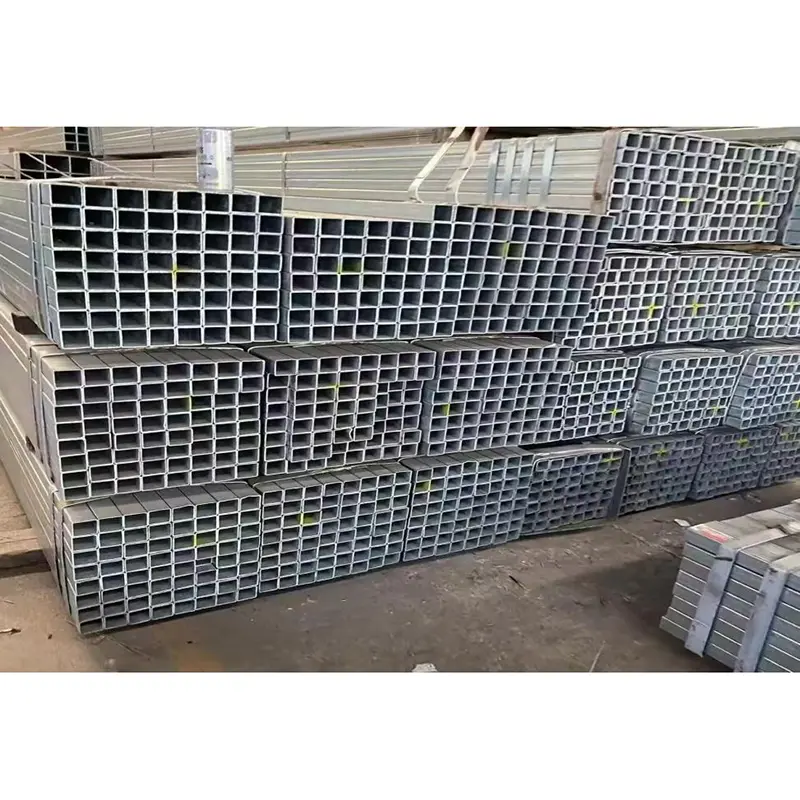
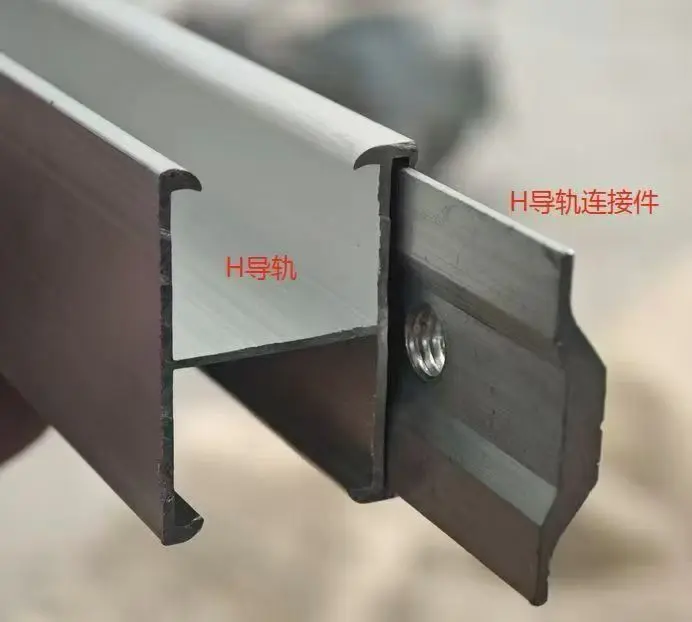
• Profiles: Square/rectangular tubes, H-beams, channel steel, angle steel, round tubes

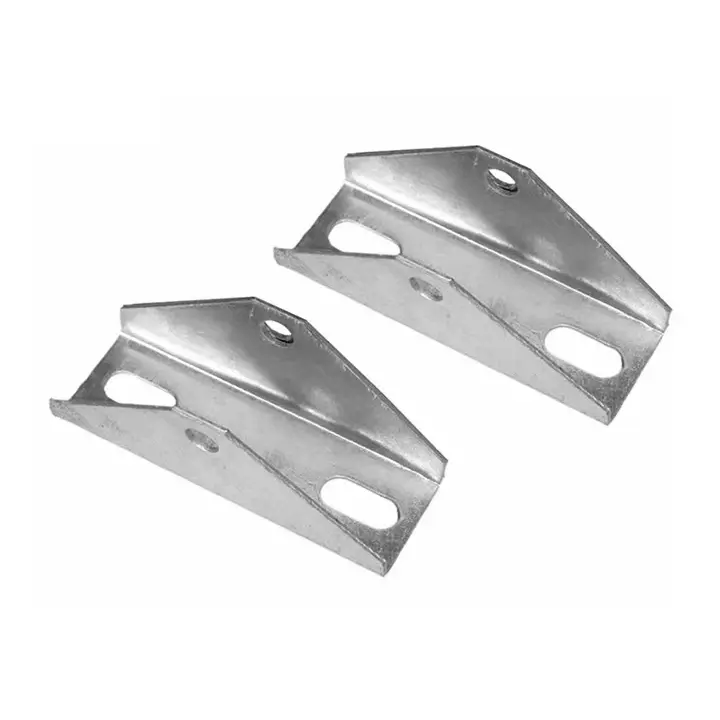
• Plates: Q235B/Q355B medium-to-thick plates (bases, lug plates, embedded parts, connecting shims)

• Fasteners: Aluminum-magnesium alloy coated bolts, nuts, and washers

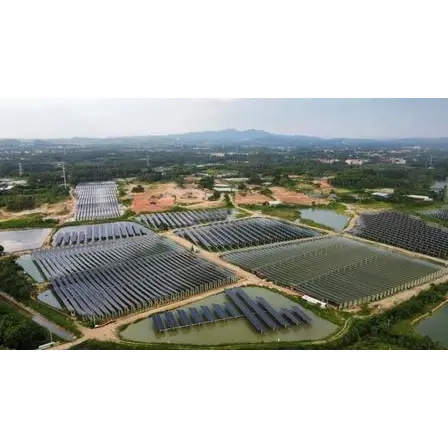
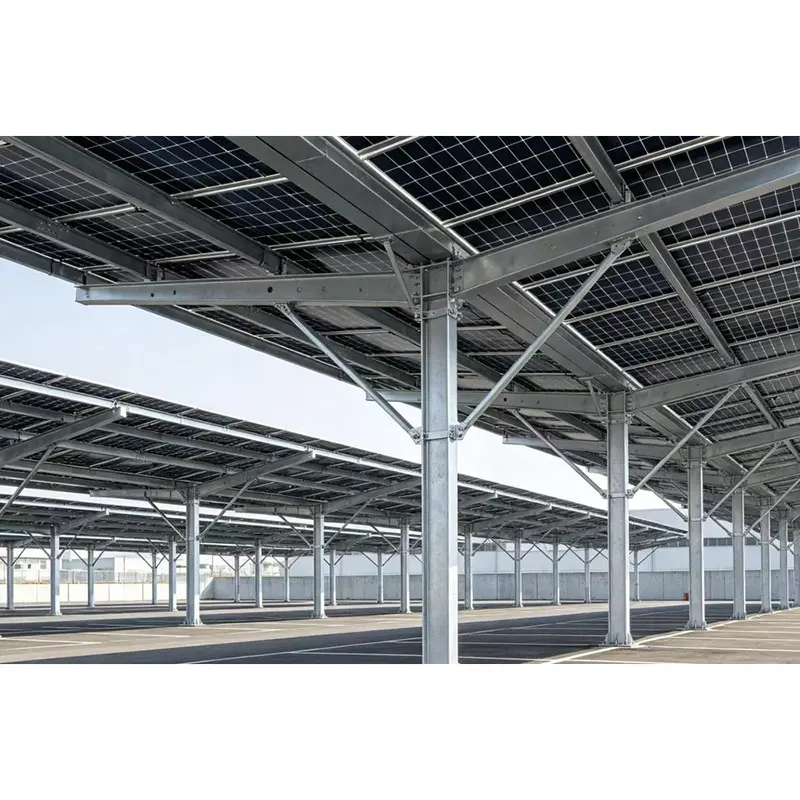
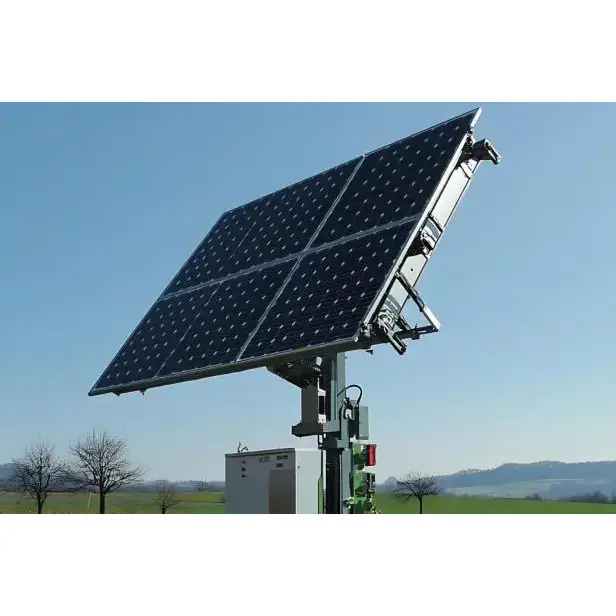
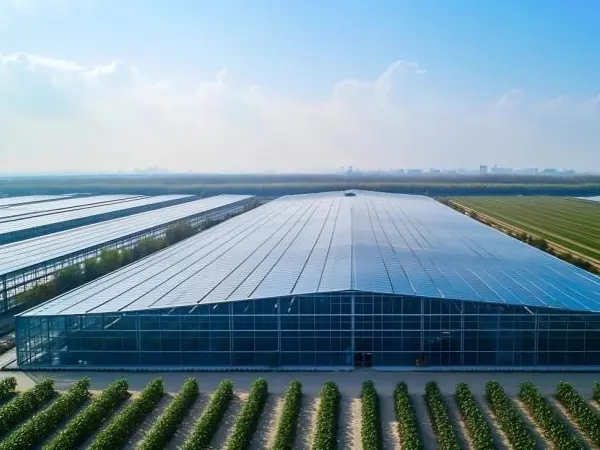
Application Scenarios: Coastal photovoltaic (PV) carports, ground-mounted PV racking, and PV tracking system steel components; steel structures in saline-alkali industrial zones; outdoor steel frameworks in chemical industrial parks; municipal coastal guardrails and equipment bases; and overseas new energy projects requiring high salt-spray resistance. 


Production Process

1. Incoming raw material inspection: Verify steel grade and thickness; reject non-compliant materials.

2. CNC cutting and punching: Fabricate component shapes and installation holes according to blueprints.

3. Welding and reinforcement: Weld load-bearing areas; grind welds and remove slag/burrs.

4. Degreasing and pickling: Remove oil and rust from the steel surface.

5. Al-Mg-Zn alloy hot-dip coating: Form a composite protective coating.

6. Cooling and straightening: Correct deformation and remove minor surface coating nodules.

7. Sampling inspection: Test coating thickness, adhesion, and salt spray resistance.

8. Sorting and packaging: Classify and label components, package with accessories, and ship.


Our Supporting Services

1. Customized solutions

Support fabrication from provided drawings; if no drawings exist, we assist in optimizing component designs based on site conditions, local wind/snow loads, and environmental corrosivity, then generate fabrication drawings.

2. Coating grade selection

Tailor coating thickness and base materials to specific environments—ranging from standard conditions to coastal (mild salt spray) or industrial/chemical (heavy salt spray) areas—to avoid unnecessary costs.

3. Order progress updates

Share production milestones; provide photos of key processes to help the buyer track delivery schedules.

4. Comprehensive inspection documentation

Provide steel material certificates, third-party test reports for the Al-Mg-Zn coating, and factory quality inspection records to meet project acceptance, grid-connection filing, and export customs clearance requirements.

5. Technical support

Provide assembly manuals, answer installation questions online, and offer professional advice on storage, lifting, and maintenance.

6. Logistics and delivery

Direct truck delivery to domestic sites; container packing for export, supporting various trade terms such as FOB and CIF.

7. Warranty and after-sales service

Provide technical solutions for abnormal corrosion (excluding man-made damage); offer long-term technical consultation for modifications and maintenance. 


Application Areas & Project Cases

✅ New Energy/PV: Coastal PV carports, ground-mounted PV racking, and steel structural components for dual-axis tracking systems.

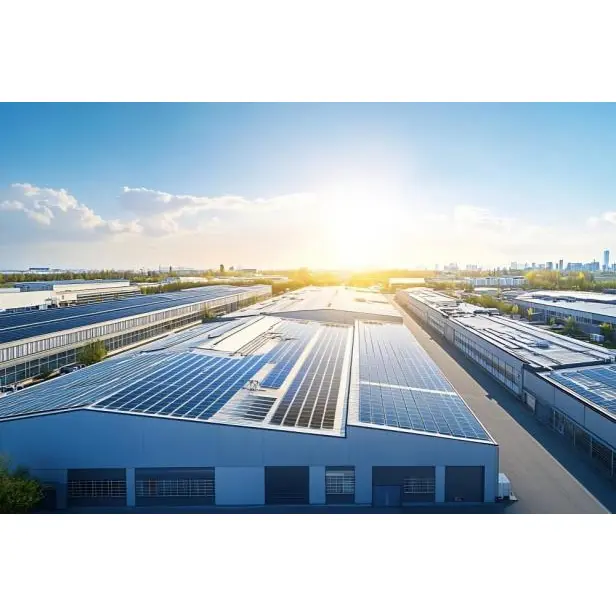
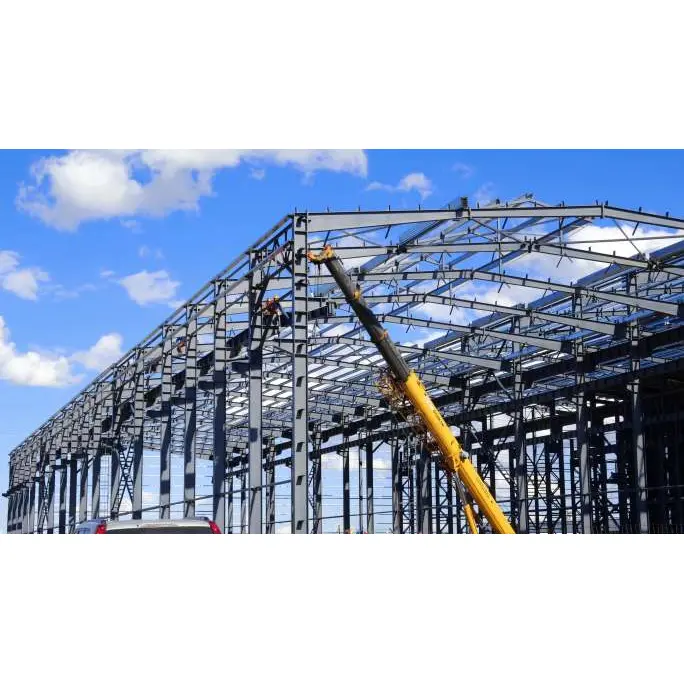
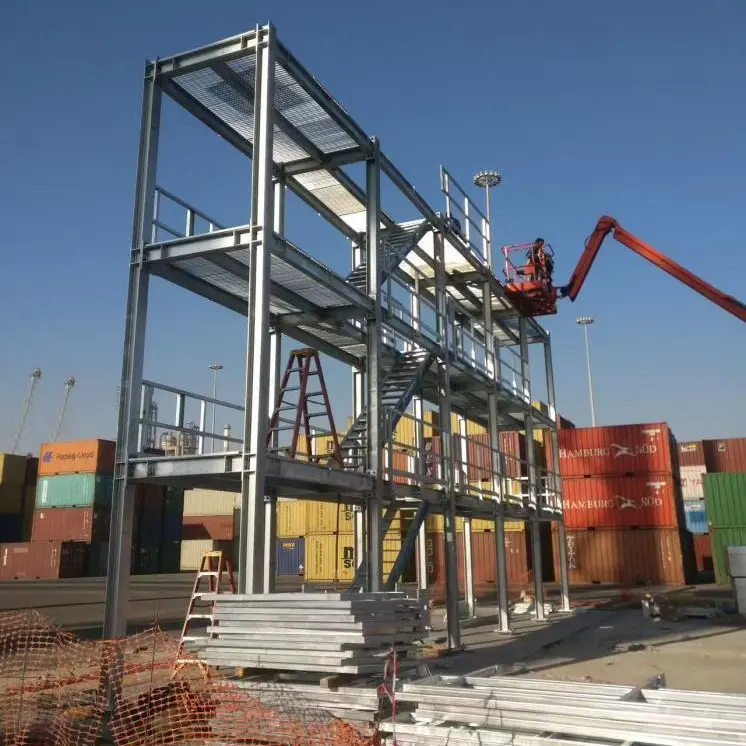
✅ Industrial Facilities: Factory frameworks, equipment platforms, and equipment bases in saline-alkali, chemical, or industrial zones.

✅ Municipal Engineering: Seaside guardrails and steel bases for outdoor equipment.

✅ Export: Supply of steel structures for new energy projects in overseas regions with high salt-spray exposure.


FAQ

Q1: How do I choose between Zinc‑Aluminum‑Magnesium Coated Steel Structure and traditional hot-dip galvanizing?

A: For standard inland environments, traditional hot-dip galvanizing offers sufficient cost-effectiveness. For highly corrosive environments—such as coastal areas, saline-alkali soils, or chemical plant zones—Al-Mg alloy coated steel structures are the preferred choice due to superior salt-spray resistance and delayed component rusting.

Q2: Can Al-Mg alloy coated components still be welded on-site?

A: Factory prefabrication is recommended to minimize on-site welding. Since welding damages the coating, the weld area must be treated with a specialized repair coating to restore corrosion protection after welding.

Q3: Is a slightly pitted surface texture considered a quality issue?

A: The multi-element alloy dip-coating process can result in slight surface texturing or pitting. As long as the coating thickness meets standards and corrosion resistance is not compromised, this is not considered a quality defect.

Q4: Can the Al-Mg alloy coating be applied only to specific sections?

A: No. The dip-coating process requires the entire component to be submerged in the molten bath; partial coating is not possible.

Q5: Can bolts and connectors also be treated with Al-Mg alloy coating?

A: Yes. The entire assembly—including main beams, connecting plates, and fasteners—can undergo the same coating process to prevent premature rusting of bolts (a common weak point).

Q6: Can third-party inspection reports for the coating be provided?

A: Yes. Third-party inspection reports covering coating thickness and salt-spray resistance can be provided for project acceptance and documentation.


Installation, Storage, and Maintenance Guidelines

1. Use soft lifting slings whenever possible to minimize direct abrasion of the coating by hard objects;

2. Store components in a dry, well-ventilated area and elevate them off the ground to prevent prolonged exposure to standing water;

3. For coastal projects, periodically rinse component surfaces with fresh water to remove salt deposits and extend the service life of the coating;

4. Promptly treat any areas with impact damage or coating breaches using the designated repair coating to prevent the base material from rusting due to exposure.


Procurement Process

Client provides drawings/site environmental parameters → Technical assessment, model selection, and quotation → Contract signing and deposit payment → Production scheduling and processing → Finished product quality inspection → Final payment and shipment → Simultaneous delivery of complete technical documentation and coordination of after-sales technical support.

Hot Tags: Zinc Aluminum Magnesium Coated Steel Structure Manufacturer, ZAM Coated Steel Structure Supplier, Corrosion Resistant Steel Structure Wholesale
Send Inquiry
Contact Info
  • Address

    No. 2, Expressway Auxiliary Road, South Area of High-tech Industrial Park, Zitai Economic and Technological Development Zone, Tianjin, China

Get Solar Mounting Bracket, Steel Structure, Mounting Accessories insights or pricing: Leave your email below, and we’ll reach out promptly (within 24 hrs).
X
We use cookies to offer you a better browsing experience, analyze site traffic and personalize content. By using this site, you agree to our use of cookies.Privacy Policy