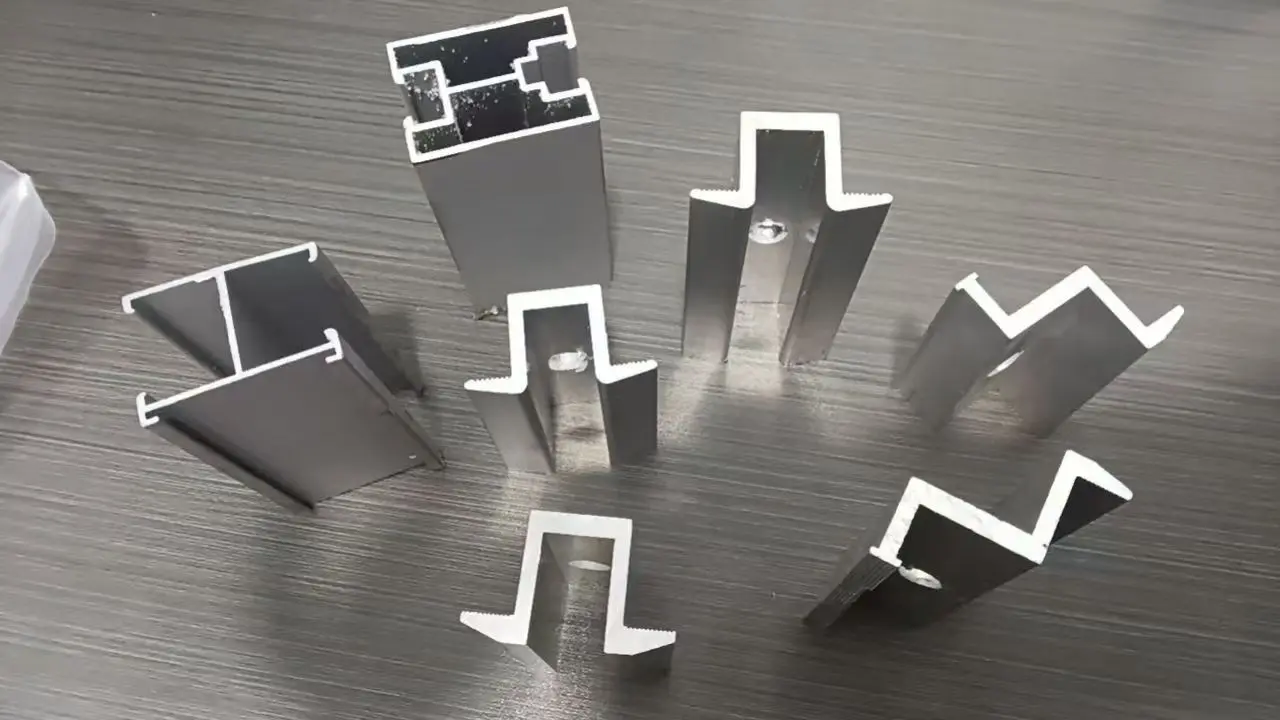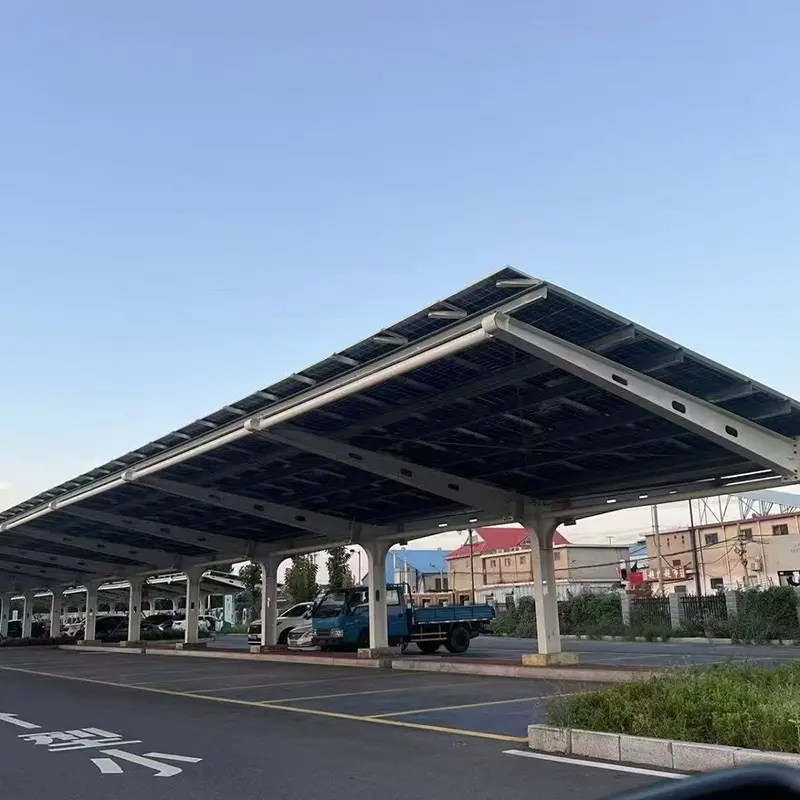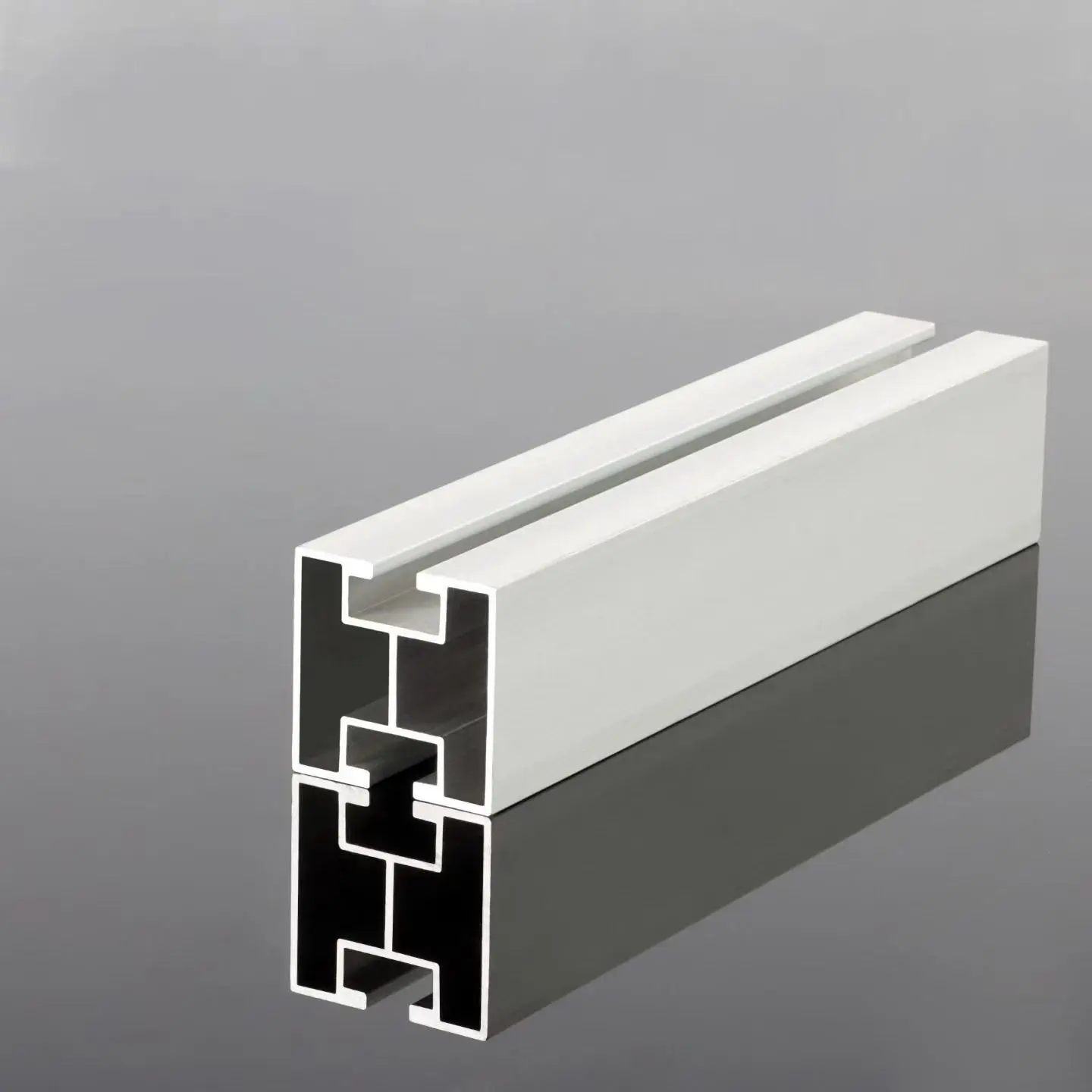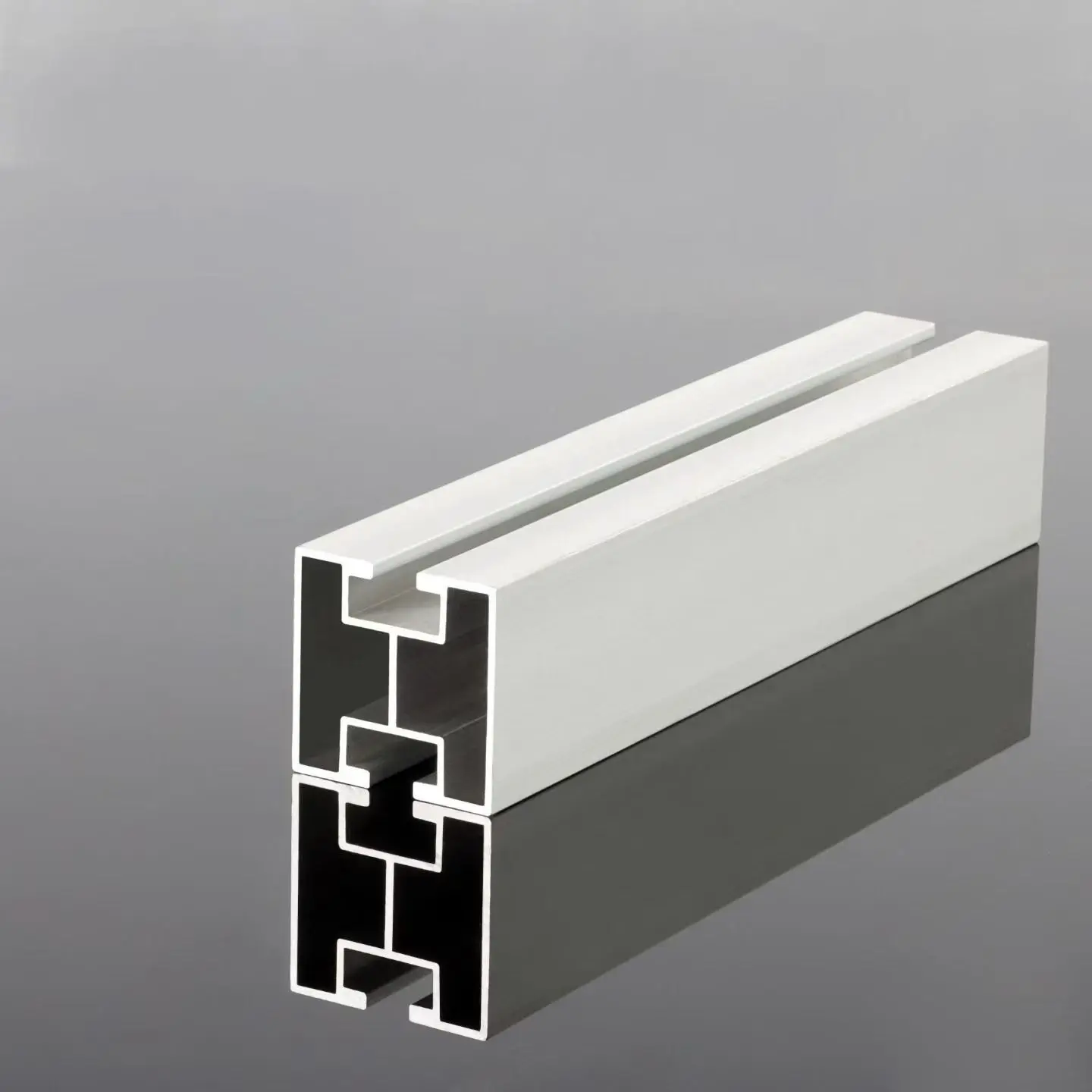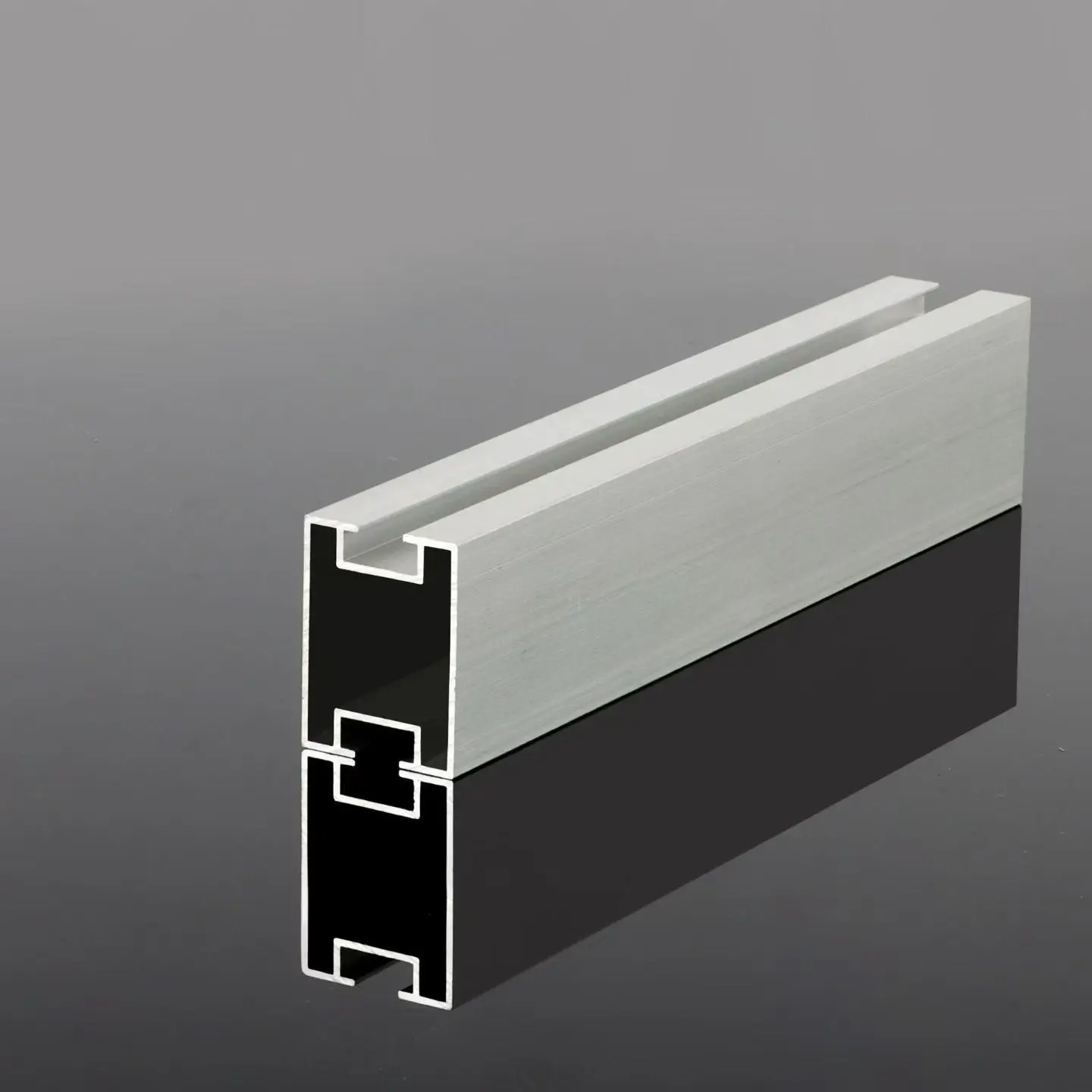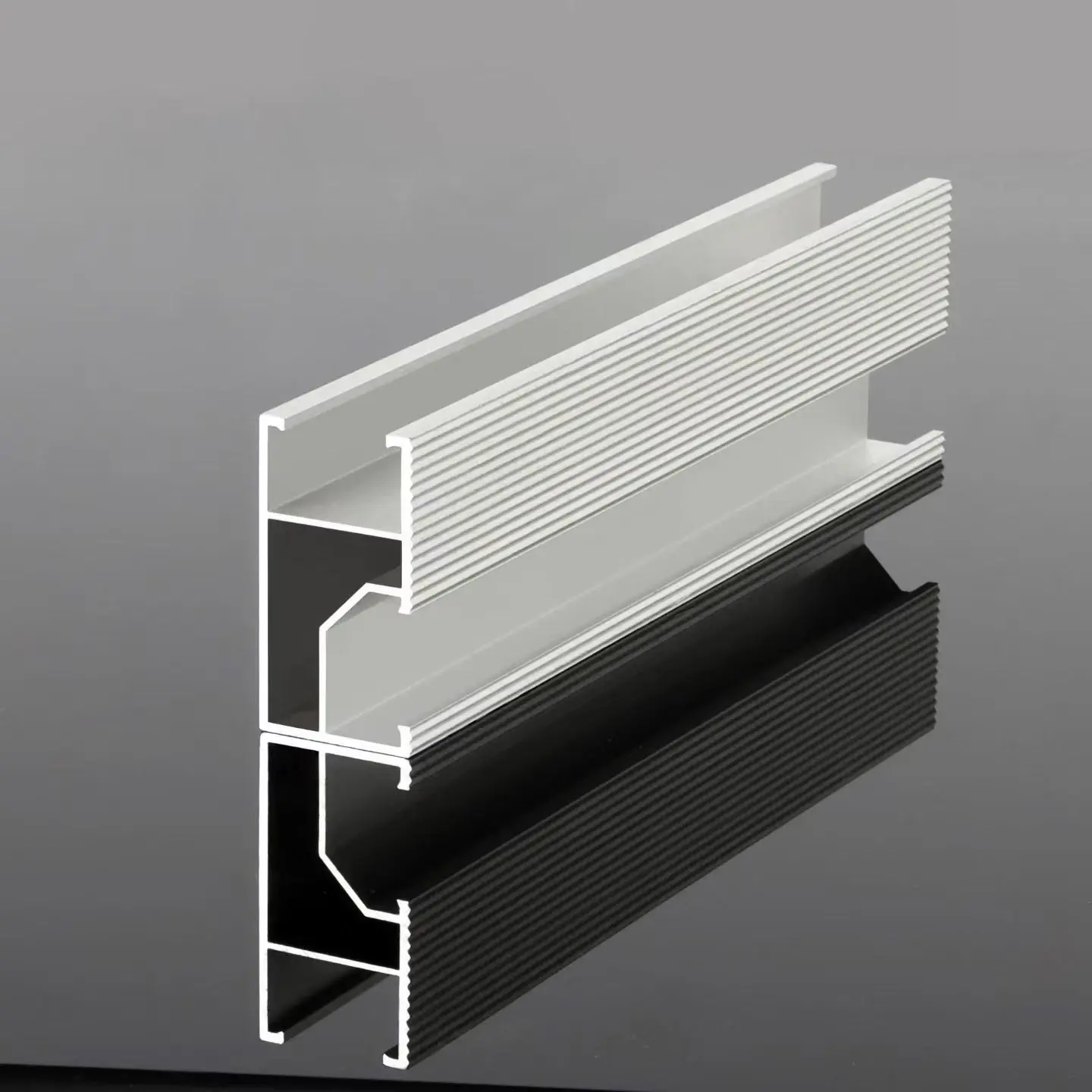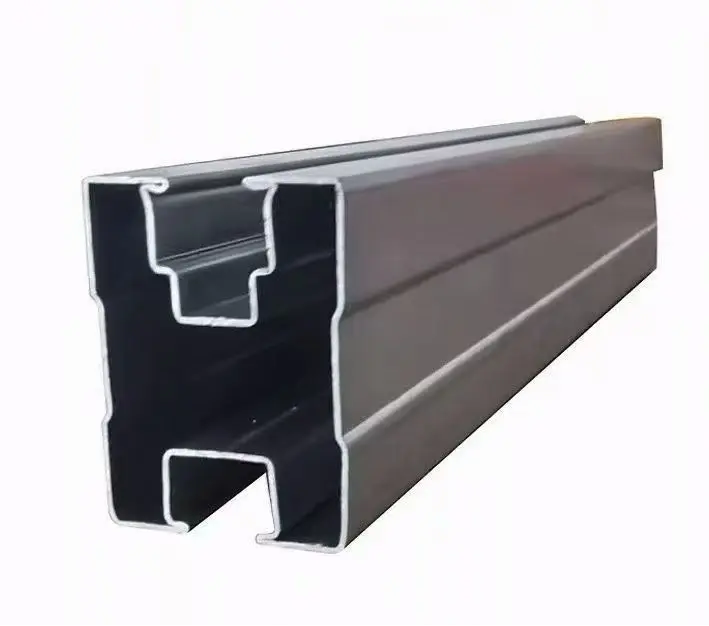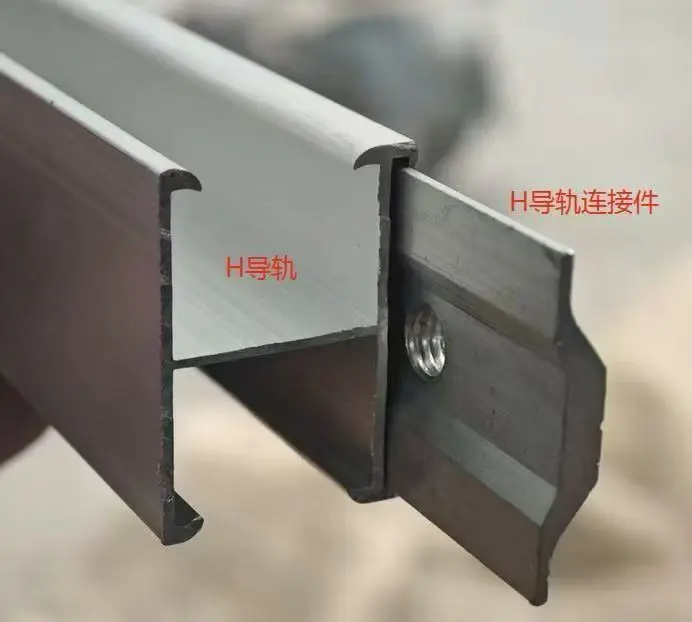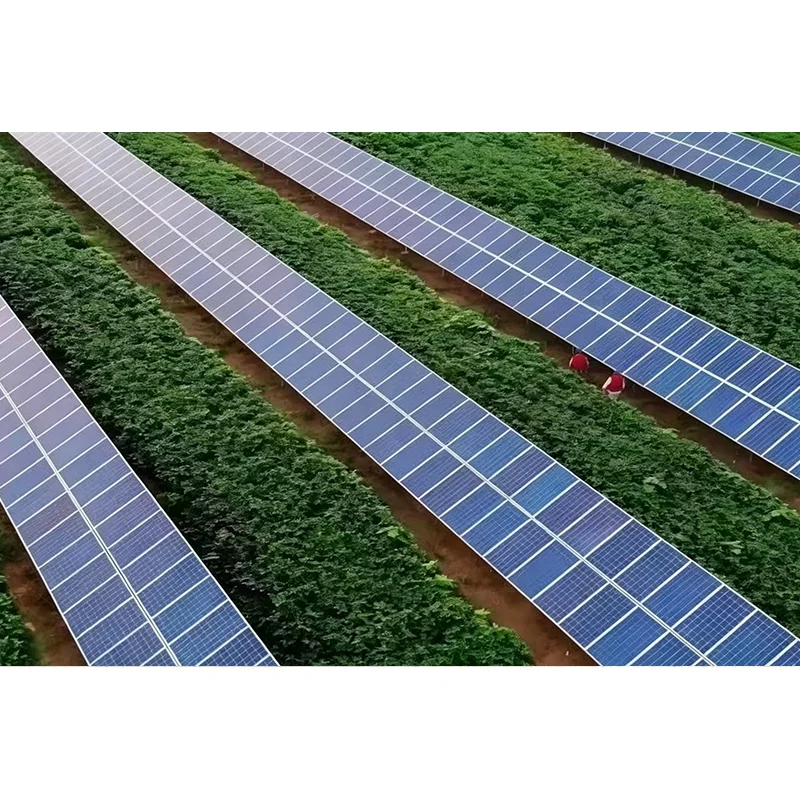
Strong winds and heavy snow can cause standard distributed PV mounting rails to bend. As a Chinese manufacturer and supplier of steel for PV mounting systems, Guojian produces reinforced guide rails using an integrated cold-forming and stiffening process, delivering superior bending and torsional performance compared to standard profiles. Options include Zinc-Aluminum-Magnesium coatings, processing thicknesses of up to 12 mm, and custom profiles.
Rails that appear identical on blueprints can behave very differently once installed in an array on a sloped surface: purlin spacing widens and load paths shift, causing the straight profile to gradually bow or buckle between supports. This deformation often leads to module misalignment and loose clamps over time; reinforced guide rails are designed specifically to address this issue. Guojian manufactures these using an integrated cold-forming process with continuous longitudinal ribs, making the reinforcement an integral part of the steel itself.
How the reinforced structure works
The ribs serve a single purpose: enhancing the profile's resistance to bending and torsion without doubling the weight. Because the rails are cold-formed in a single pass, the ribs run continuously along the entire length; the absence of welds at the reinforcement points eliminates areas prone to premature rusting or cracking under cyclic wind loads. Simply put, the additional steel is strategically placed exactly where it is needed to counteract bending moments.
Material and coating selection is based on site conditions, not habit. Zinc-Aluminum-Magnesium (ZAM) coatings form a dense protective layer that can migrate to cover cut edges, making ZAM-coated reinforced guide rails the recommended choice for coastal, fishery-solar, and tidal flat projects. Hot-dip galvanizing remains a cost-effective solution for standard inland power plants, while "black steel" (uncoated) options are available for buyers who prefer to apply their own surface treatments later.
Core advantages and the reasons behind them
Greater rigidity, not greater weight:
The integrated reinforced profile offers a higher load-bearing capacity per kilogram. This allows rooftop projects to boost structural strength while keeping dead weight under control—a direct benefit when building load margins are tight.
Coatings matched to the site:
ZAM for high-humidity or salt-spray environments, hot-dip galvanizing for standard power plants, and black steel for projects requiring local coating. The ZAM version comes with a 25-year anti-corrosion warranty, the hot-dip galvanized version with 15 years, and the structure itself carries a 10-year warranty.
Faster Installation:
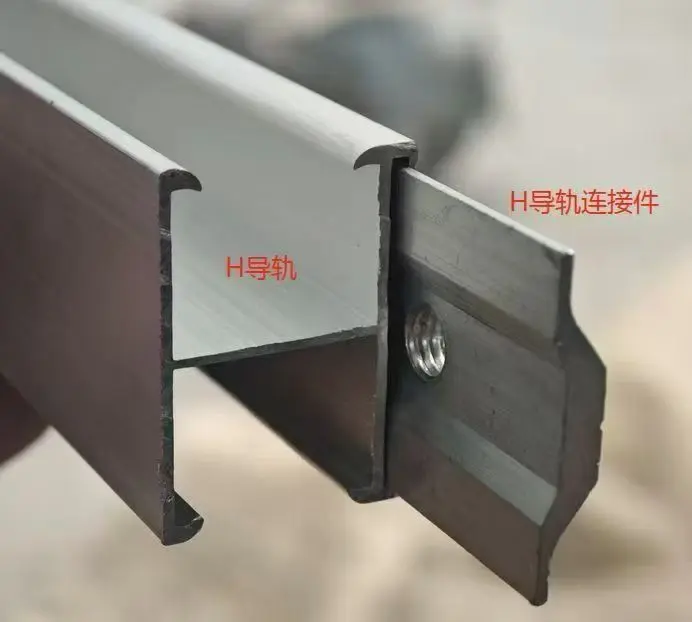
The channel-shaped cross-section of the reinforced guide rail accommodates T-bolts directly; component positions can be adjusted by sliding them along the rail, eliminating the need for re-drilling. Matching clamps and connectors come from our own production lines, effectively removing an entire supplier from your installation chain.
Pre-fabrication Before Shipment:
Punching, cutting, and welding are completed in-house according to drawings. The reinforced rails are ready for immediate installation upon arrival, minimizing on-site grinding, cutting, and corrosion-protection touch-ups—crucial for remote mountain power plants where every saved man-hour translates into real cost savings.
Technical Specifications
Item
Specification
Material
Cold-formed carbon steel
Structure
Integrated cold-formed section + continuous integral ribs
Coating Options
Zinc-Aluminum-Magnesium (ZAM) / Hot-dip galvanized / Black finish (uncoated)
Max Thickness
12 mm
Section
Custom section per customer drawings
Length
Cut to length as per drawings
Fastening
Slot compatible with T-bolts; self-produced mid/end clamps and connectors
Warranty
Anti-corrosion warranty: 25 years for ZAM, 15 years for hot-dip galvanized; Structural warranty: 10 years
MOQ
1 × 20GP container; trial orders negotiable
Lead Time
7–15 working days after deposit receipt
Trade Terms
FOB / CFR / CIF
Applications
Reinforced guide rails are designed for sites where standard profiles approach their load-bearing limits. The applications below cover the load scenarios we encounter most frequently.
Mountain PV Plants:
Undulating terrain leads to uneven wind and snow loads. The reinforced profile ensures the array remains straight across varying spans—the reason why clamps stay secure even into the second and third years of operation.
Fishery-Solar and Agri-Solar Projects:
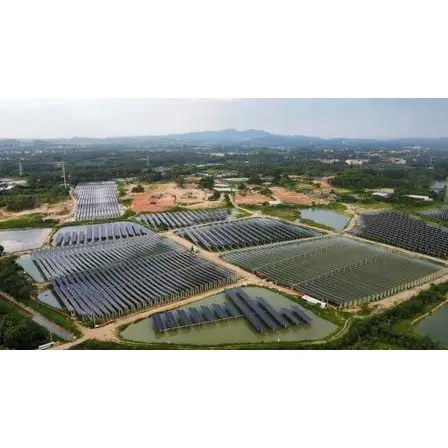
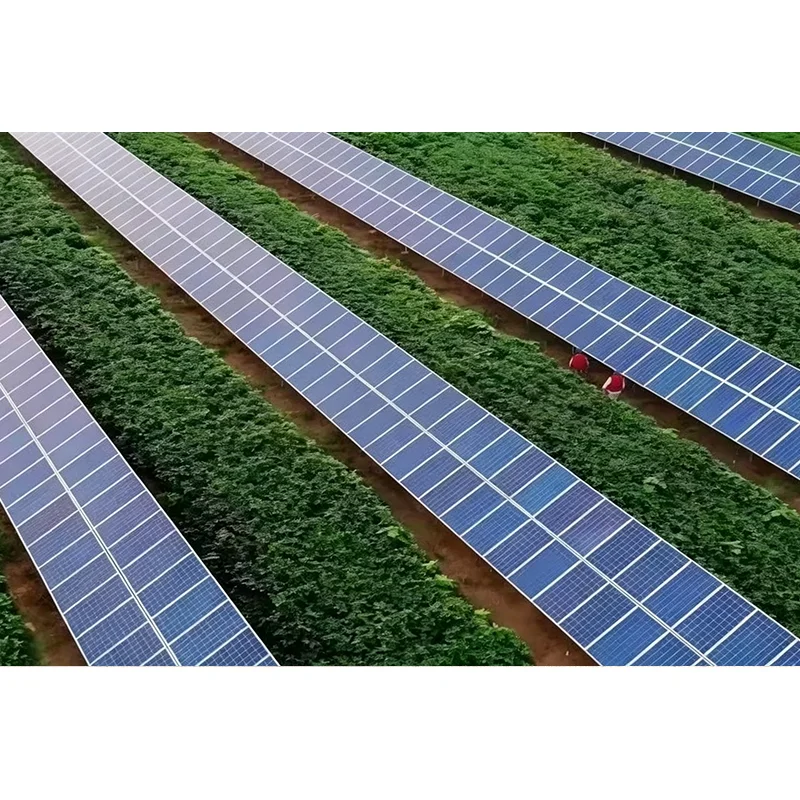
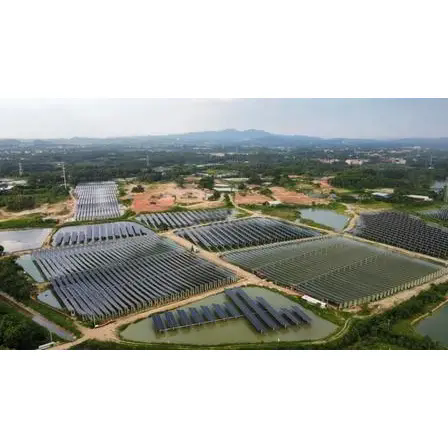
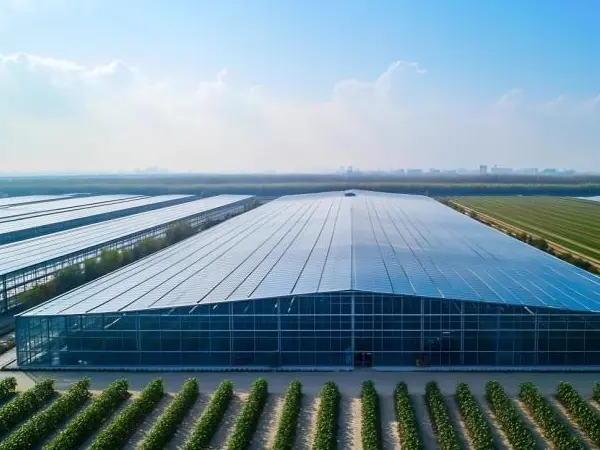
Open-air environments, significant diurnal temperature fluctuations, and damp ground conditions all accelerate corrosion. The ZAM coating withstands these environmental stresses, while the reinforced profile handles the additional loads associated with longer spans over water or crops.
Offshore and Tidal Flat Plants:
Salt spray poses the ultimate test for rails. Here, the thickened, reinforced profile resists wind pressure, while the ZAM coating retards corrosion from the outside in; since both demands are critical, we recommend specifying both features.
Tracking Systems:
Single-axis and dual-axis systems subject rails to repetitive loading throughout the day. Standard profiles tend to deform under these conditions, whereas reinforced profiles are specifically engineered to withstand cyclic loads.
Flexible Mounting Systems:
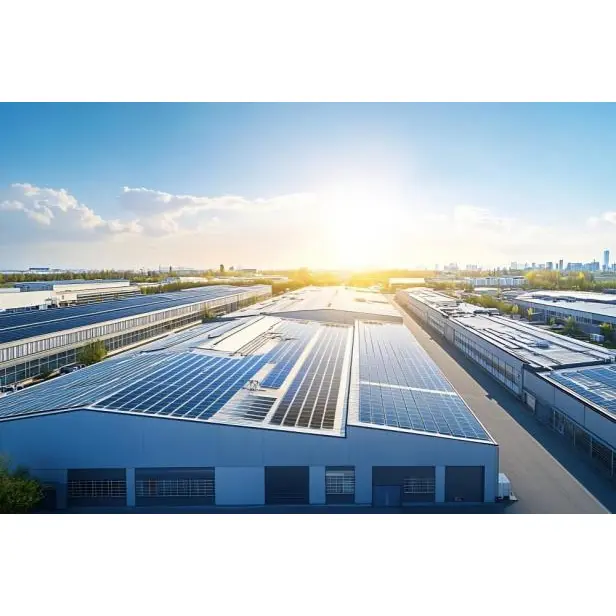
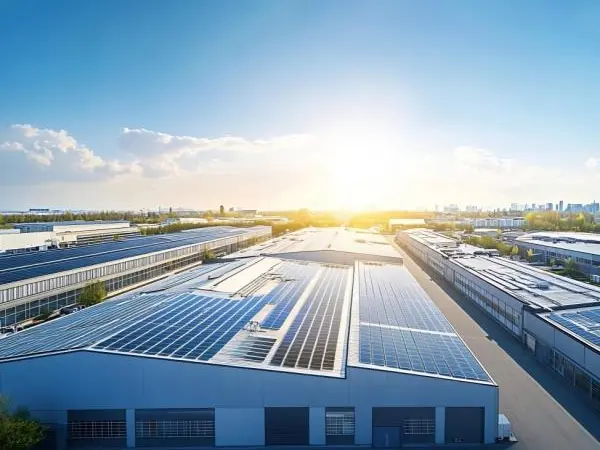
Large-span flexible structures require rails to maintain their shape with minimal underlying support. Structural rigidity—not just strength—is the key factor in ensuring modules maintain their designed tilt angle. Commercial and Industrial Rooftop Solar Plants: Roof load limits constrain self-weight, making it essential to maximize strength per kilogram—precisely what the rib geometry delivers in long, continuous runs.
Handling, Installation, and Maintenance
Storage and Transport:
Stack on raised supports in a covered, ventilated area; use edge protection during handling to prevent coating scratches or section deformation prior to installation.
On-site Processing:
Deburr all cut edges and apply anti-corrosion touch-up coating. Position holes to avoid the ribs; never grind the rib itself—the rib is the source of strength, so grinding it away defeats the purpose of purchasing this rail.
Installation:
Use only straight, undamaged rails; tighten fasteners to standard torque specifications and leave expansion gaps at joints as required. For projects in mountainous, tidal flat, or coastal areas, ensure the foundation is stable before mounting the reinforced guide rails.
O&M:
Periodically inspect bolts, section deformation, and coating condition; shorten inspection intervals for environments exposed to salt spray. Do not exceed design loads when mounting auxiliary equipment, and promptly touch up any coating damage.
FAQs
Q1: Should I choose the Zinc-Aluminum-Magnesium (ZAM) version or the hot-dip galvanized version?
A: Let the site conditions decide. For coastal, fishery-solar, or tidal flat projects, we recommend ZAM—the coating protects cut edges and resists salt-spray corrosion, backed by a 25-year anti-corrosion warranty. For standard inland plants, hot-dip galvanizing offers excellent cost-effectiveness with a 15-year anti-corrosion warranty.
Q2: Can you manufacture reinforced guide rails based on our own cross-section drawings?
A: Yes. Custom sections are a standard part of our business: we cold-roll form according to drawings (up to 12 mm thickness) and complete punching, cutting, and welding in-house, so the product is ready for installation upon delivery.
Q3: What warranty is provided?
A: We offer a 25-year anti-corrosion warranty for ZAM versions, 15 years for hot-dip galvanized versions, and a 10-year structural warranty for the mounting system.
Q4: How are they packaged? What is the container capacity?
A: A 20GP container holds approximately 2 MW worth of mounting system steel, while a 40HQ holds about 4–5 MW. Rails are bundled and protected for sea transport; small-batch trial orders for initial projects can be negotiated.
Q5: What quality certifications can be provided?
A: The factory is certified to ISO 9001, ISO 14001, and ISO 45001 standards; structural calculation reports and third-party test reports are available. Please let us know the destination market so we can confirm the specific documentation required.
Get Solar Mounting Bracket, Steel Structure, Mounting Accessories insights or pricing: Leave your email below, and we’ll reach out promptly (within 24 hrs).
We use cookies to offer you a better browsing experience, analyze site traffic and personalize content. By using this site, you agree to our use of cookies. Privacy Policy