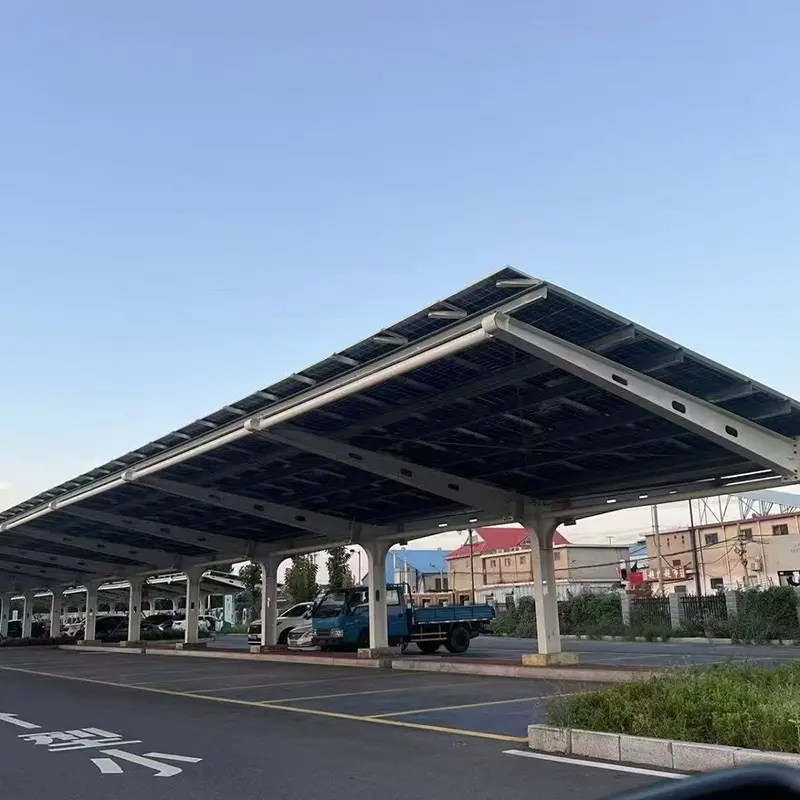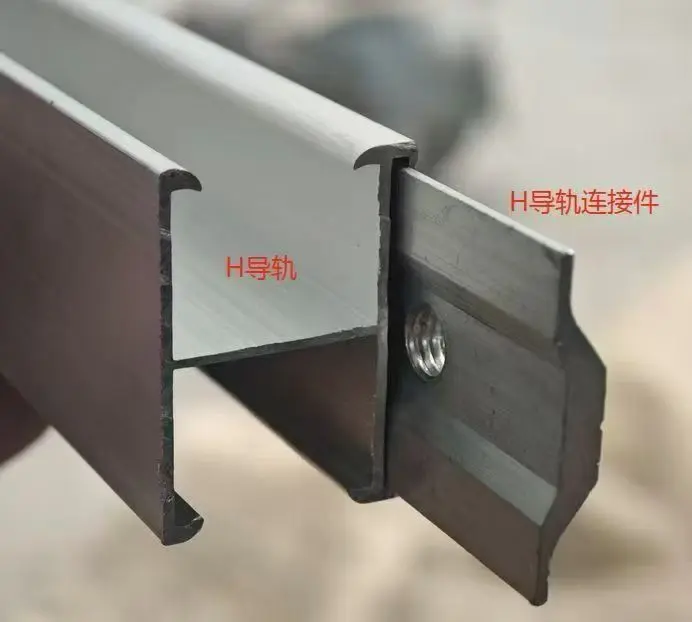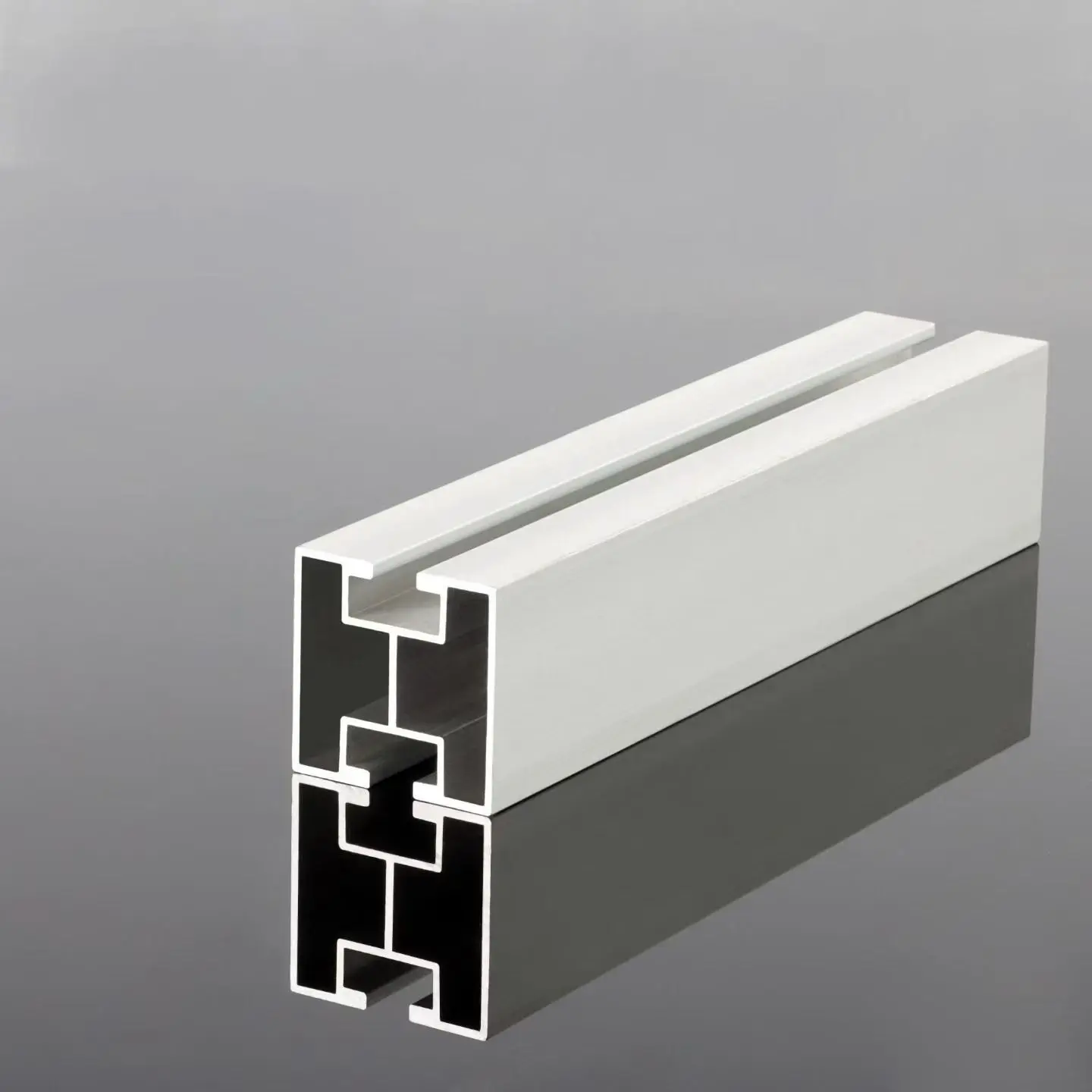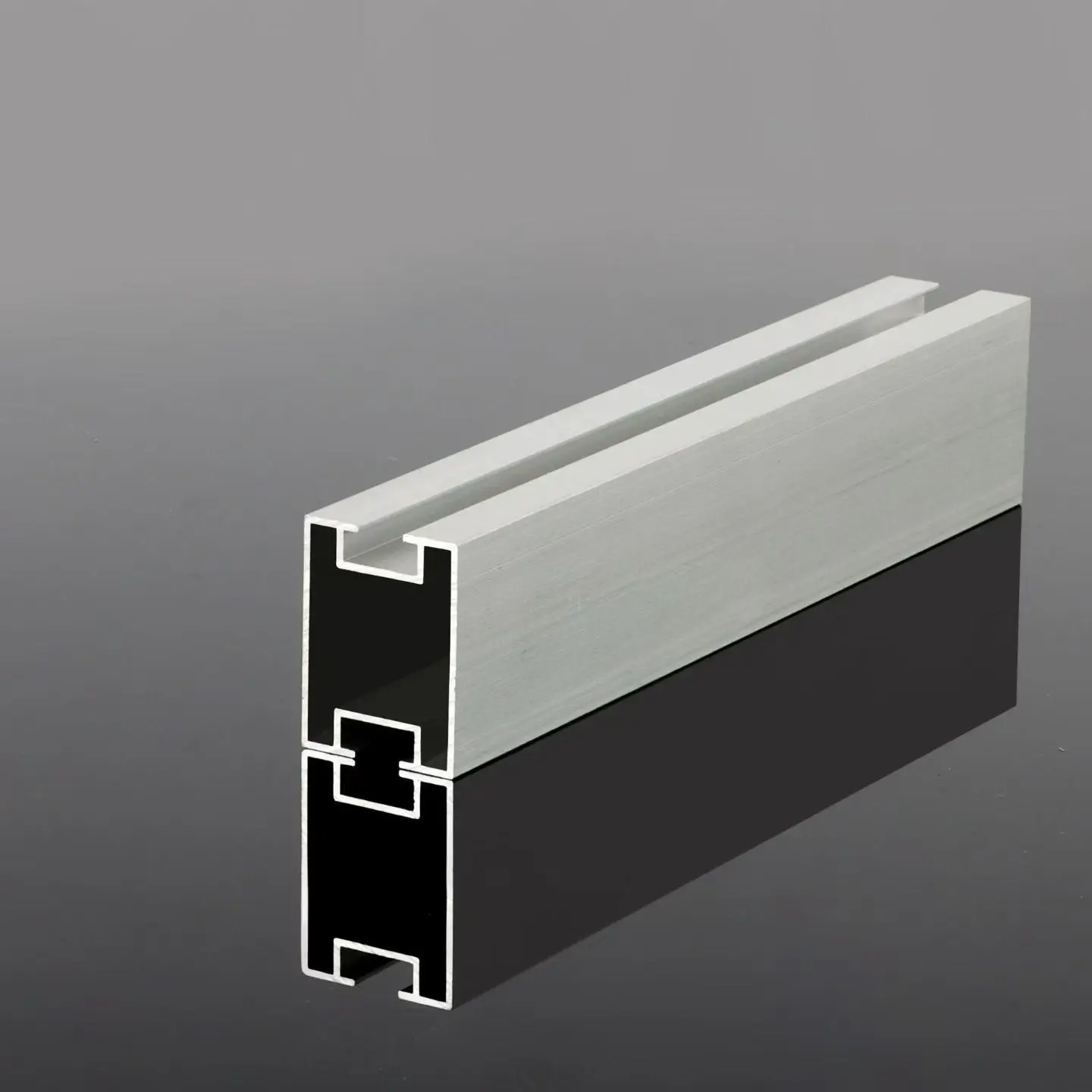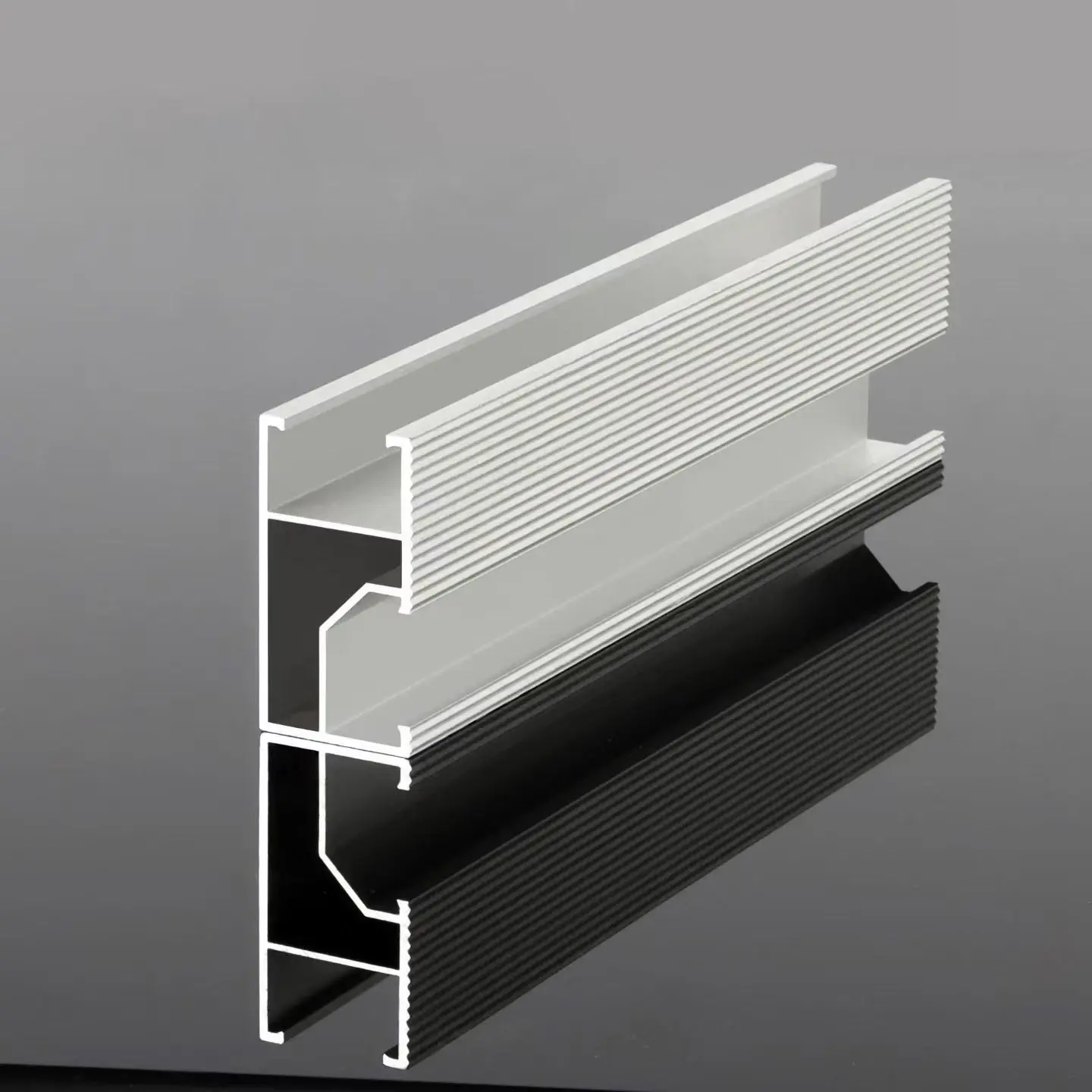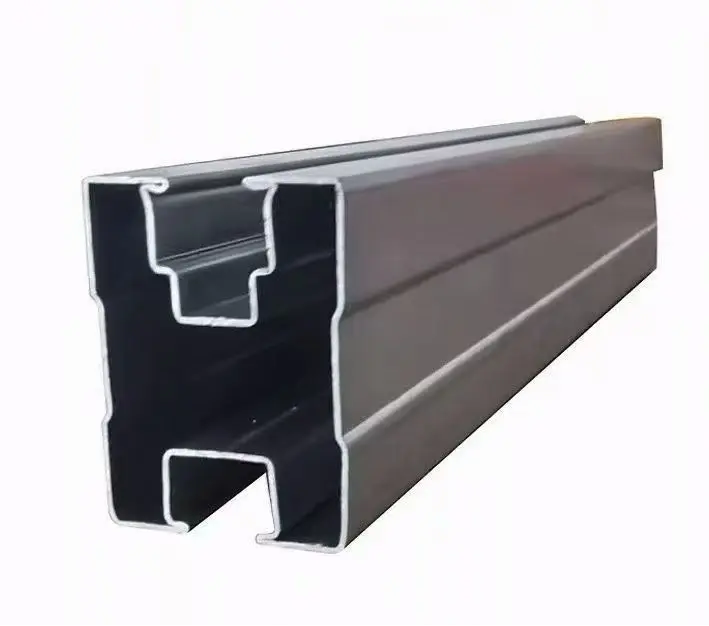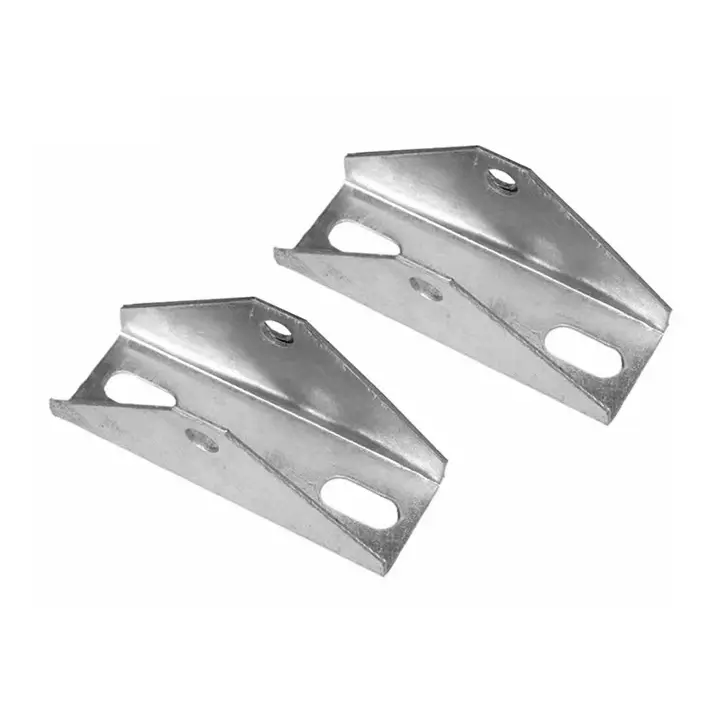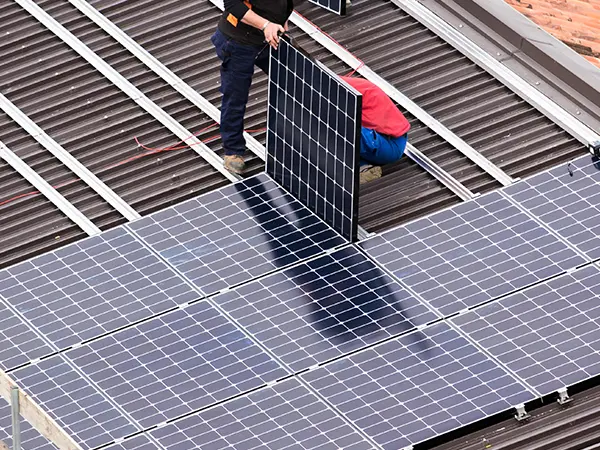
Guojian operates its own manufacturing facility in Tianjin, China, serving as the original manufacturer and supplier of H-Rail. Suitable for applications such as automated linear stages, lifting mechanisms, and equipment frames, the rail features a double-web cross-section that ensures uniform load distribution and excellent torsional rigidity. Standard specifications are kept in stock, and services such as custom-length cutting, drilling, and precision machining are available.
In automated assembly and material handling equipment, the guide rail determines whether a linear slide remains quiet and smooth after three years or begins to wobble after just three months. Most traditional single-slot profiles concentrate the load on a single working surface; eccentric loads can gradually pull the carriage out of alignment, with the resulting errors ultimately affecting the entire machine's performance. H-Rail addresses this issue through its cross-sectional geometry rather than relying solely on surface treatment. Featuring a symmetrical H-shaped aluminum profile with dual parallel webs, it is engineered for reciprocating motion applications—such as linear slides, lifting columns, push-pull mechanisms, tooling frames, and lightweight conveyor lines.
What is an H-section guide profile?
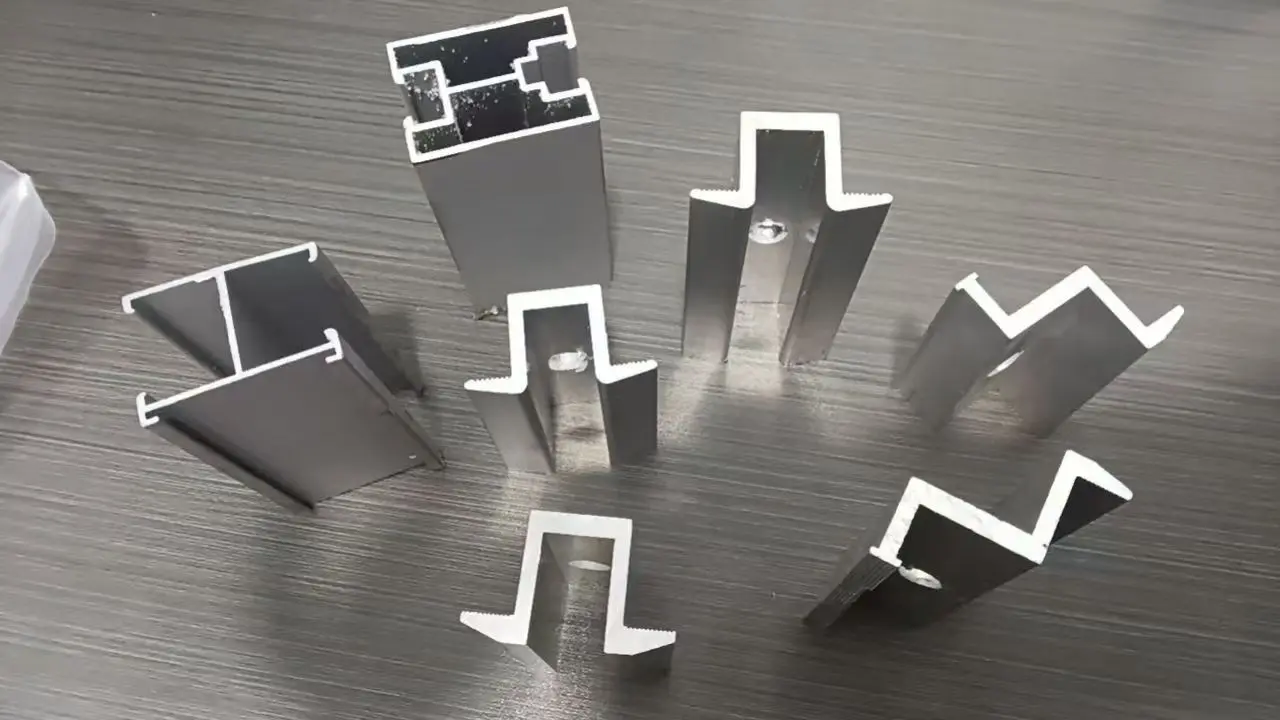
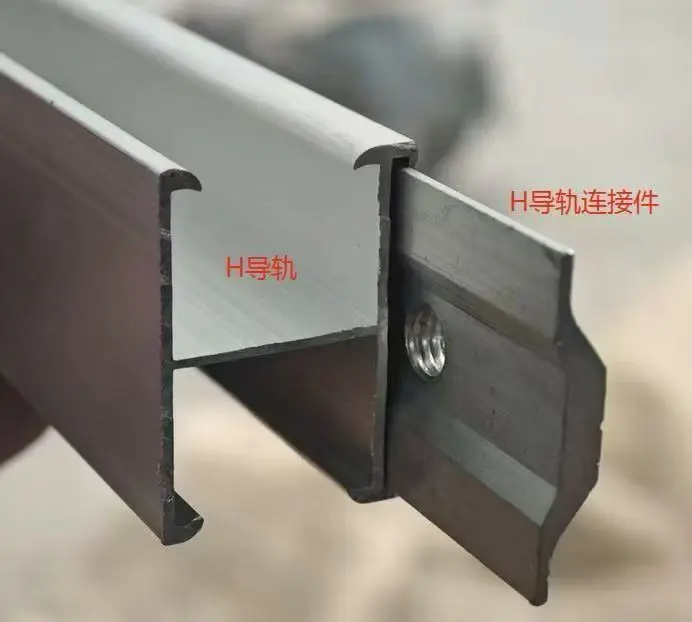
H-Rail is a structural aluminum guide profile with a cross-section resembling the letter "H": two horizontal flanges connected by a central web, providing usable slotted surfaces on both sides. Thanks to this symmetrical geometry, vertical loads are distributed across two supporting arms rather than one, while the open center reduces weight without compromising rigidity.
This geometry offers a triple advantage: compared to single-slot rails of similar weight, it exhibits less deflection under moderate loads; the profile itself resists torsion when the equipment is subjected to lateral forces or emergency stops; and with two machined surfaces available, a carriage can run on either side—or even on both sides simultaneously.
Core advantages and the reasons behind them
Balanced load distribution:
The dual-web cross-section distributes pressure across two supporting arms, making the working surfaces less prone to denting or deformation from concentrated loads. Our manufacturing experience shows consistent load-bearing performance across batches—a critical factor when building hundreds of identical workstations.
Torsional stability:
The symmetrical cross-section of H-Rail inherently resists twisting when the equipment exerts lateral force or when long rails are installed. This directly resolves a common workshop issue: H-Rails twisting slightly after installation, causing the carriage to bind or jam halfway through its stroke. Reversible Design: Both grooved sides are precision-machined, allowing the rail to be mounted facing up, facing down, or vertically; it can also serve as a structural beam or a frame connector. A single profile covers multiple design configurations, reducing the need for custom brackets.
Straightness over Long Strokes:
Each rail is straightened after extrusion and individually inspected before shipment, ensuring straightness without bowing—even in long lengths. Carriage movement remains consistent across the entire stroke, avoiding tightness or looseness at either end.
Hard-Anodized Working Surfaces:
The hard-anodized layer enhances surface hardness and wear resistance, preventing surface degradation even during high-frequency sliding. It resists workshop dust and moisture, while the matte finish prevents dirt accumulation—making it ideal for cleanrooms and precision assembly areas.
Technical Specifications
Item
Specification
Material
Aluminum alloy, hot-extruded
Section type
Symmetric H-profile, double web, hollow core
Surface treatment
Hard anodizing, matte finish
Length
Cut to length per customer drawing
Straightness
Straightened and inspected before shipment
Machining options
Cut-to-length, end chamfering, drilling, tapping, precision machining
If the load is positioned directly above the H-Rail and the force is consistently vertical, a standard double-web profile is usually sufficient. However, if the load is off-center or the equipment undergoes frequent emergency stops, we recommend discussing your application conditions with us first; the geometric advantages of the profile design are most critical in these scenarios.
Length is the second key factor:
Longer strokes amplify any rail curvature; therefore, for strokes exceeding a few meters, we recommend ordering pre-straightened and inspected cut-to-length rails rather than cutting the profile on-site. The difference lies in smooth, continuous movement versus potential binding mid-stroke.
The operating environment is the third factor:
Hard-anodized surfaces are suitable for dusty workshops and humid facilities. If the H-Rail will be exposed to wash-down procedures or cutting fluids, please inform us of the specific media so we can verify surface compatibility before the order is placed.
Manufacturing and Quality Control
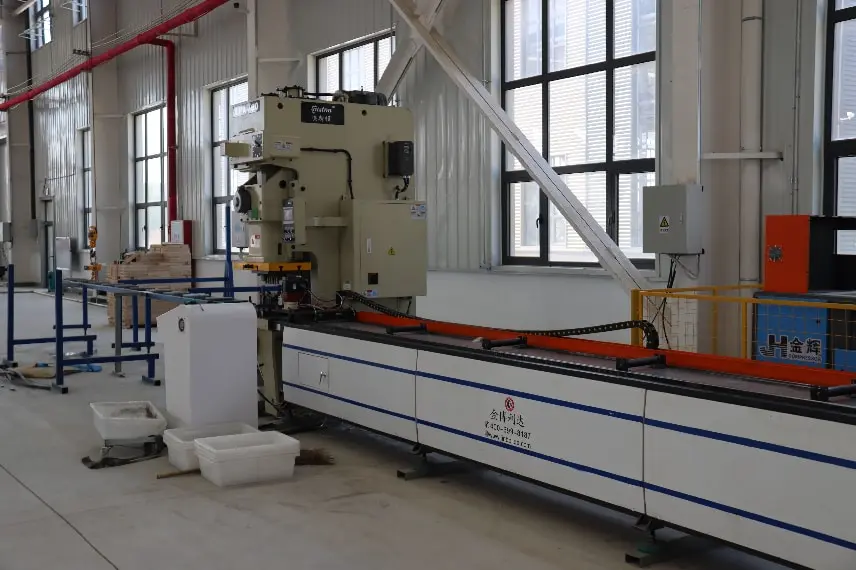
H-Rail is manufactured in our own facility; extrusion, machining, and anodizing are all performed in-house. Our production facility operates eight C-channel forming lines, two "Ji"-profile (hat-profile) steel forming lines, two high-power fiber laser cutting machines, and four CNC punching lines. Our proprietary equipment includes a utility model patented "Aluminum Profile Punching Machine" (ZL 2023 2 2784865.9). The plant has an annual profile production capacity of approximately 200,000 tons.
We export to over 30 countries and support long-term supply programs for both project contractors and equipment manufacturers; export documentation and third-party inspection arrangements can be negotiated on a case-by-case basis.
FAQ
Q1: Are you a manufacturer or a trading company?
A: We are a manufacturer. The extrusion, straightening, machining, and hard-anodizing of our H-Rails are all completed at our own production base in Tianjin, China. You are welcome to review our factory records and certifications.
Q2: What is the minimum order quantity (MOQ)?
A: The standard MOQ is one 20GP container. We can accept smaller quantities for initial trial orders or sample batches—please let us know the required cross-section specifications and total length, and we will provide a quote accordingly.
Q3: Can you process products according to our drawings?
A: Yes. Fixed-length cutting, end chamfering, drilling, tapping, and other finishing processes are all performed in-house. The rails are ready for installation upon delivery, requiring no further processing at your facility.
Q4: What wind and snow loads can your rails withstand?
A: Our H-Rails have undergone rigorous wind and snow load simulation testing. We can perform load calculations based on local climatic parameters and recommend the appropriate H-Rail model to meet international standards such as EN 1991 and ASCE 7.
Q5: How do you ensure quality consistency for bulk orders?
A: Every batch undergoes inspections for straightness, structural integrity, and surface quality before packaging; the same acceptance standards are applied from the initial sample to the final container.
Q6: Are your H-Rails compatible with mainstream PV clamps on the market?
The standard H-rail profile is compatible with the vast majority of mid-clamps, end-clamps, and stainless steel fasteners available on the market. Should you have specific requirements for matching clamps, we can also manufacture custom profiles by creating new molds.
Get Solar Mounting Bracket, Steel Structure, Mounting Accessories insights or pricing: Leave your email below, and we’ll reach out promptly (within 24 hrs).
We use cookies to offer you a better browsing experience, analyze site traffic and personalize content. By using this site, you agree to our use of cookies. Privacy Policy