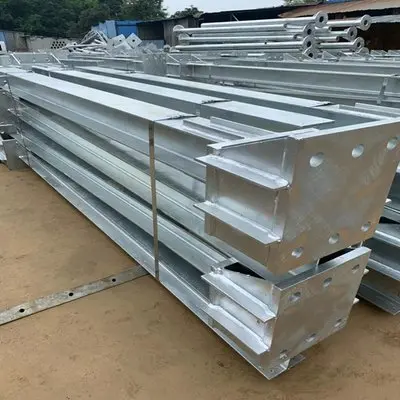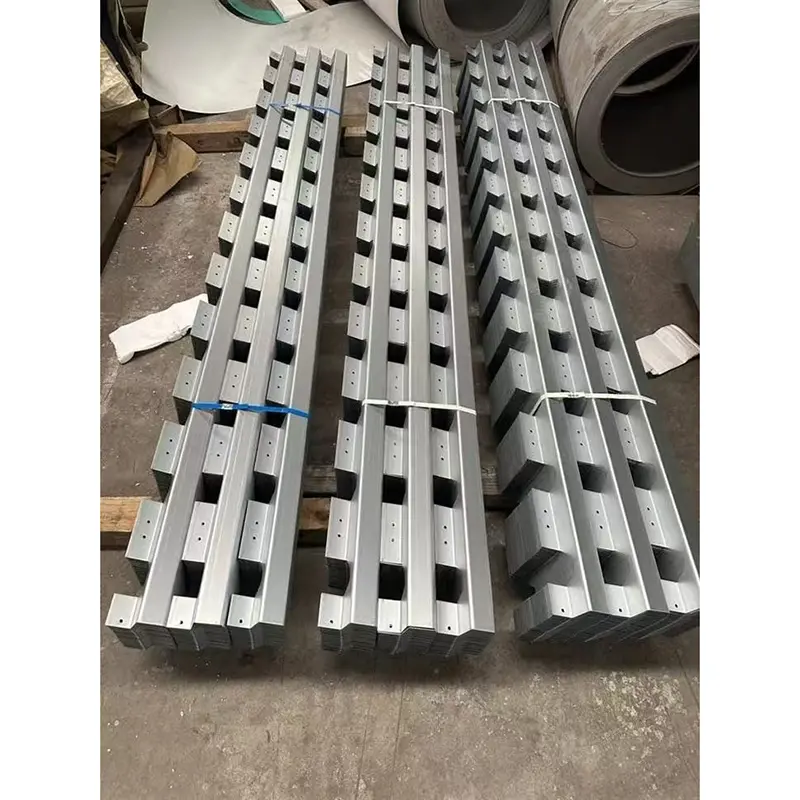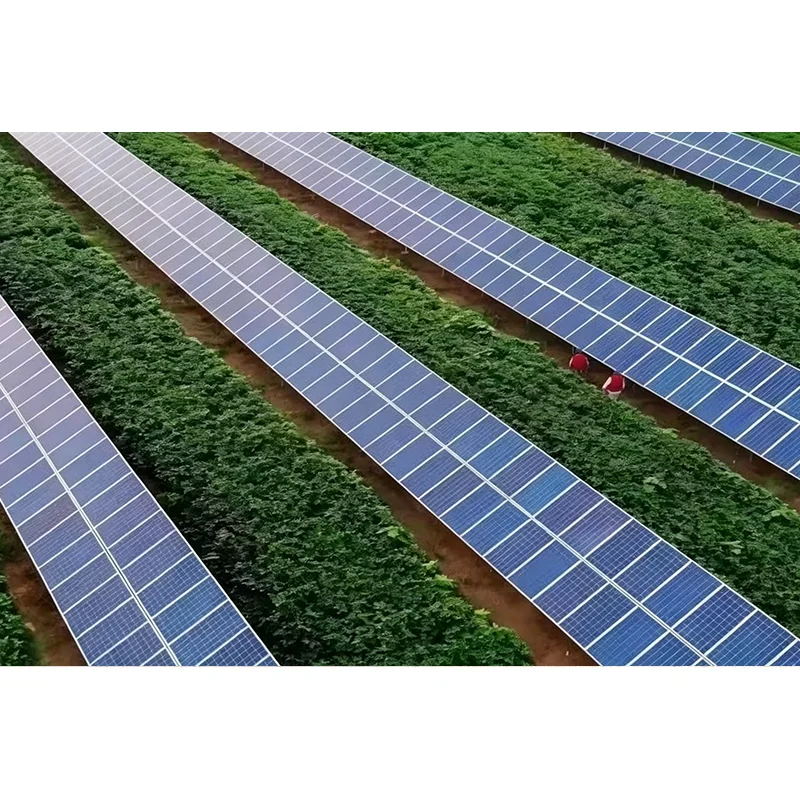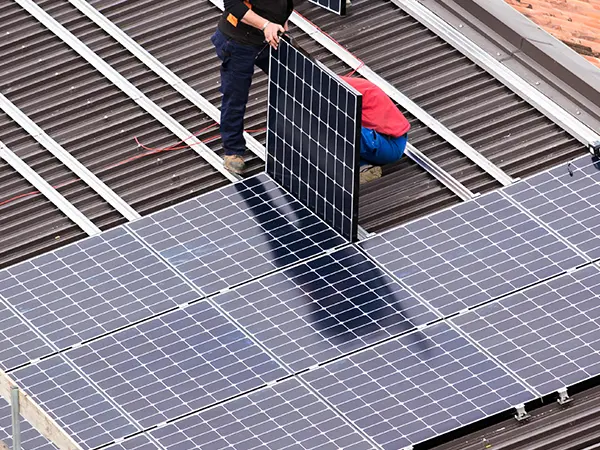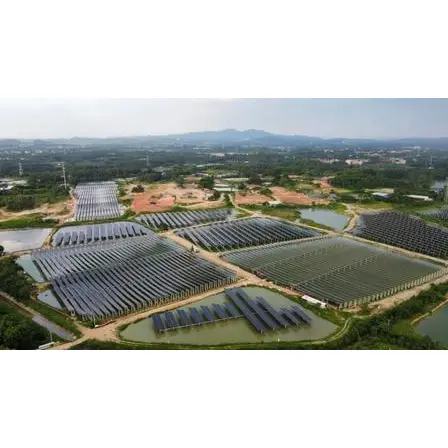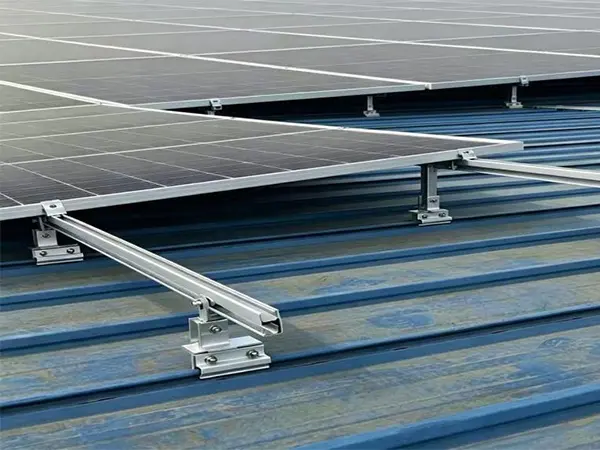
1. Hot‑Dip Galvanized Steel Structure by Guojian factory are created by immersing fully machined steel components—after cutting, punching, welding, and weld grinding—into a high-temperature molten zinc bath. This process yields a product with long-lasting corrosion resistance, offering a cost-effective solution for outdoor engineering projects.
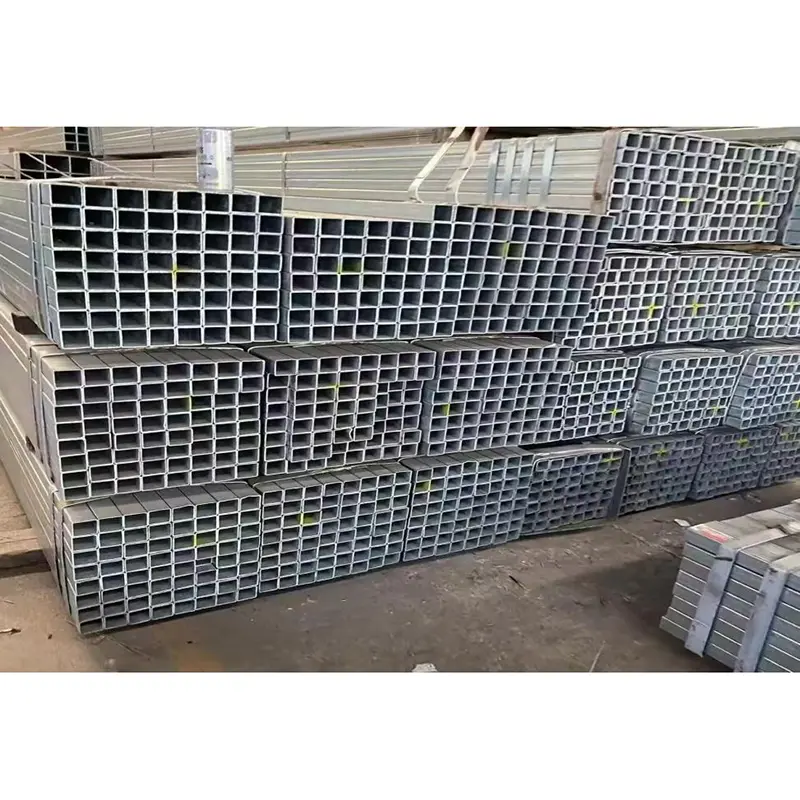
2. Unlike simple surface treatments such as painting or powder coating, the hot-dip galvanizing process forms a continuous zinc-iron alloy protective layer over the entire component—including the inner walls of tubes, weld gaps, apertures, and sharp edges—leaving no unprotected areas.
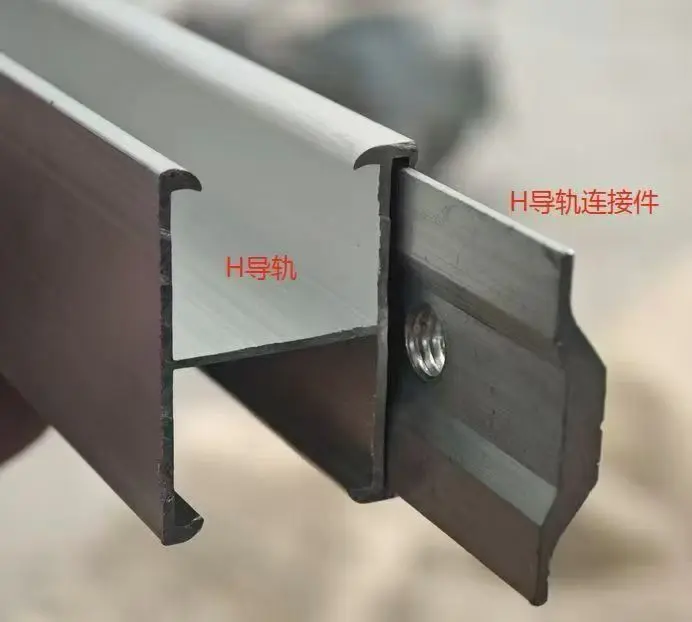
3. Matching connectors also undergo the hot-dip galvanizing process. On-site assembly uses bolted connections, eliminating the need for hot work (welding) and thereby reducing safety hazards at the construction site.
4. Profile specifications, plate thickness, and galvanizing layer thickness can be adjusted based on project-specific conditions—such as wind load, snow load, and exposure to saline-alkali soil or salt spray—making them suitable for photovoltaic installations, industrial plants, and municipal infrastructure.
5. Factory prefabrication ensures high dimensional accuracy, allowing for simple on-site assembly; this effectively reduces labor costs and shortens the overall construction schedule.
Ordinary carbon steel exposed to outdoor elements—such as rain, humid air, or coastal environments rich in chloride ions—undergoes continuous oxidation and rusting. This leads to a gradual reduction in wall thickness and load-bearing capacity, creating potential structural safety risks.
Hot-dip galvanizing involves immersing finished steel components into molten zinc at temperatures exceeding 430°C. A physicochemical reaction between the zinc and the steel substrate creates a dense zinc-iron alloy protective layer that completely encapsulates every surface of the steel.
Even if minor scratches or dents occur during transport or installation, the zinc layer provides "sacrificial anode" protection; the zinc corrodes preferentially over the steel substrate, halting the spread of rust at the source. This makes it an ideal choice for long-term corrosion protection in complex outdoor environments, including inland areas, coastal regions, and chemical industrial parks.
Traditional coating methods only cover the outer surface of the steel, leaving areas such as tube interiors, assembly gaps, and weld seams highly susceptible to water accumulation and rusting. Integrated hot-dip galvanizing ensures simultaneous coating of both the interior and exterior of components, enabling stable performance in highly corrosive environments such as humid mountainous regions, coastal mudflats, and chemical plant zones.
The zinc layer fuses at the molecular level with the steel substrate rather than merely adhering to the surface; consequently, it does not suffer from large-scale peeling or flaking during transport, handling, hoisting friction, or heavy-load compression. Its wear and impact resistance far exceed those of powder-coated or painted components.
Standard inland galvanized components have a design service life of 25 years; coastal versions with thickened zinc layers can last 18–22 years without requiring re-rusting or repainting, saving owners the labor and material costs associated with annual anti-corrosion refurbishment and maintenance.
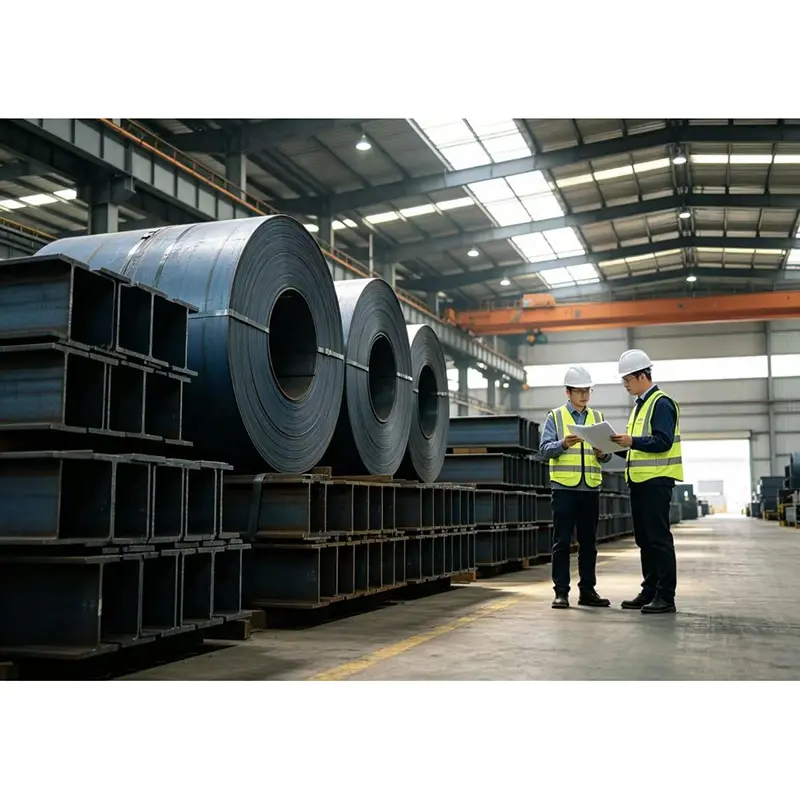
Technical staff calculate load-bearing parameters based on local wind speeds, snow accumulation, and soil bearing capacity, flexibly selecting H-beams, square/rectangular tubes, channel steel, and thickened connection plates to eliminate structural risks such as deformation or insufficient load-bearing capacity.
Fully automated CNC cutting and punching equipment keeps hole-position tolerances within ±0.5mm, ensuring uniform component dimensions. This eliminates the need for on-site cutting, hole enlargement, or grinding, boosting assembly efficiency by over 40% and shortening the overall construction schedule.
Connecting bolts, nuts, washers, embedded parts, and lug plates are all hot-dip galvanized in the same batch. Customers avoid the need to source hardware separately, reducing coordination costs and ensuring the entire steel structure meets uniform anti-corrosion standards.
1. Incoming Raw Material Quality Inspection: Material certificates are verified for every batch of steel; thickness and hardness are spot-checked; substandard materials are rejected immediately to ensure structural safety at the source.
2. Automated CNC Processing: CNC cutting machines handle blanking, and CNC punch presses perform standardized hole punching, ensuring uniform dimensions across batch components.
3. Welding Reinforcement & Precision Grinding: Critical load-bearing joints undergo full-weld reinforcement; all weld spatter and burrs are ground smooth to prevent uneven zinc buildup (lumps) during galvanizing.
4. Pre-galvanizing Pre-treatment (Degreasing & Pickling): Removal of surface oil and rust to ensure the zinc coating adheres securely without peeling.
5. High-Temperature (430°C) Full-Immersion Galvanizing: Workpieces are fully submerged in the zinc bath, ensuring complete zinc coverage on inner tube walls and within crevices.
6. Cooling, Alignment & Surface Finishing: Components undergo natural cooling and deformation correction; excess zinc lumps are ground off to ensure a smooth finish.
7. Finished Product Spot Inspection: Random checks on zinc coating thickness, adhesion, and overall component dimensions; non-conforming items are sent for rework.
8. Categorized Packaging & Labeling: Components are packed according to construction zones and labeled with ID numbers and accessory lists to facilitate on-site sorting.
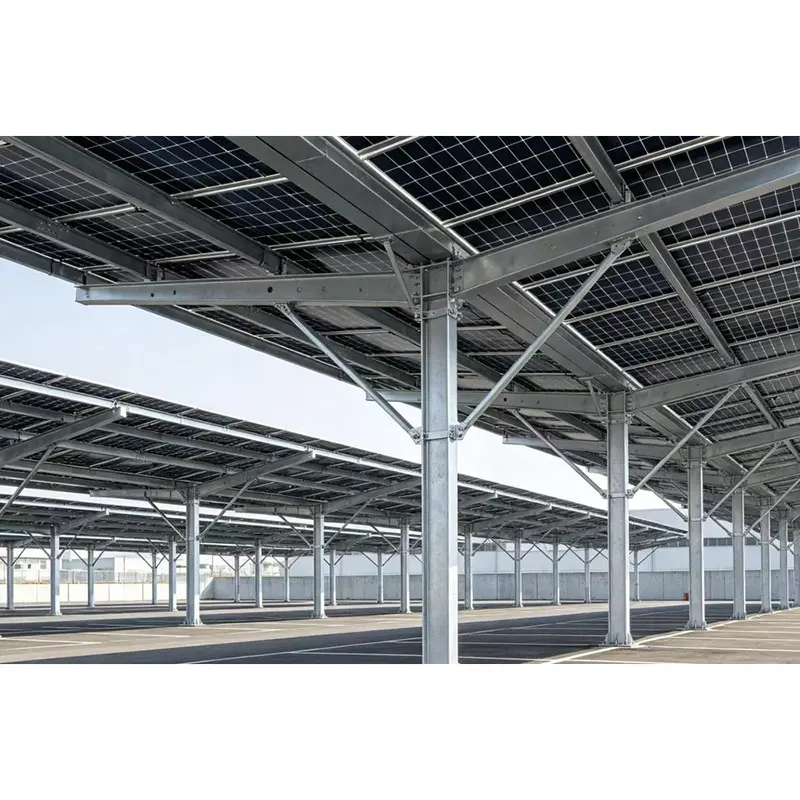
1. New Energy (Photovoltaic) Industry
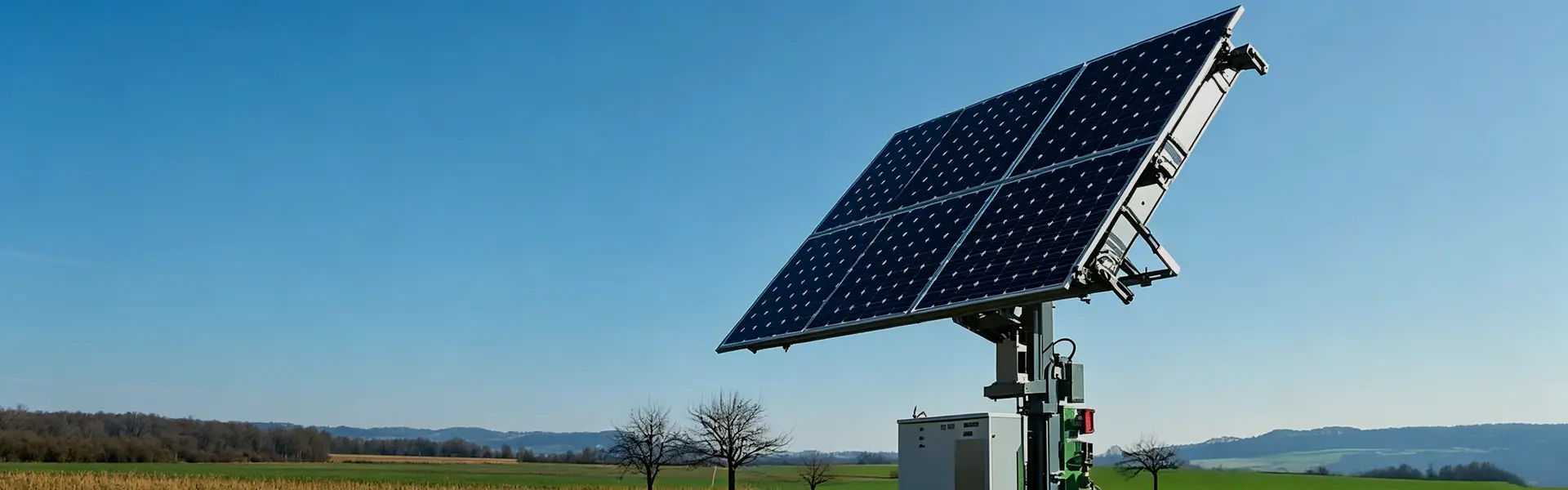
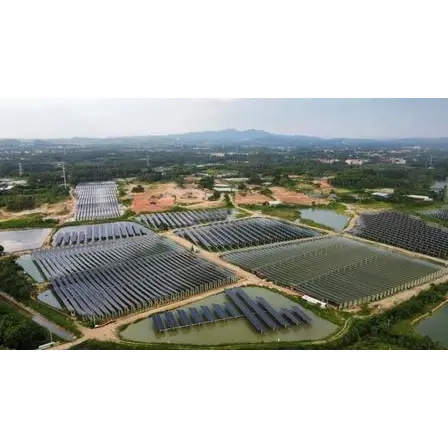
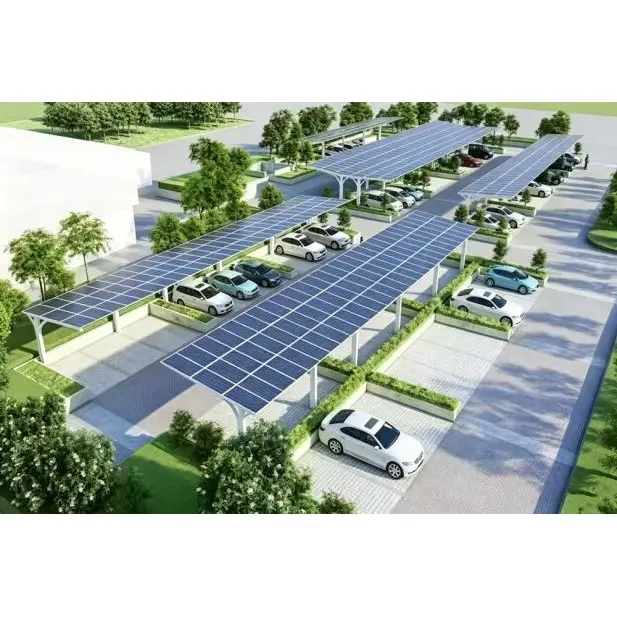
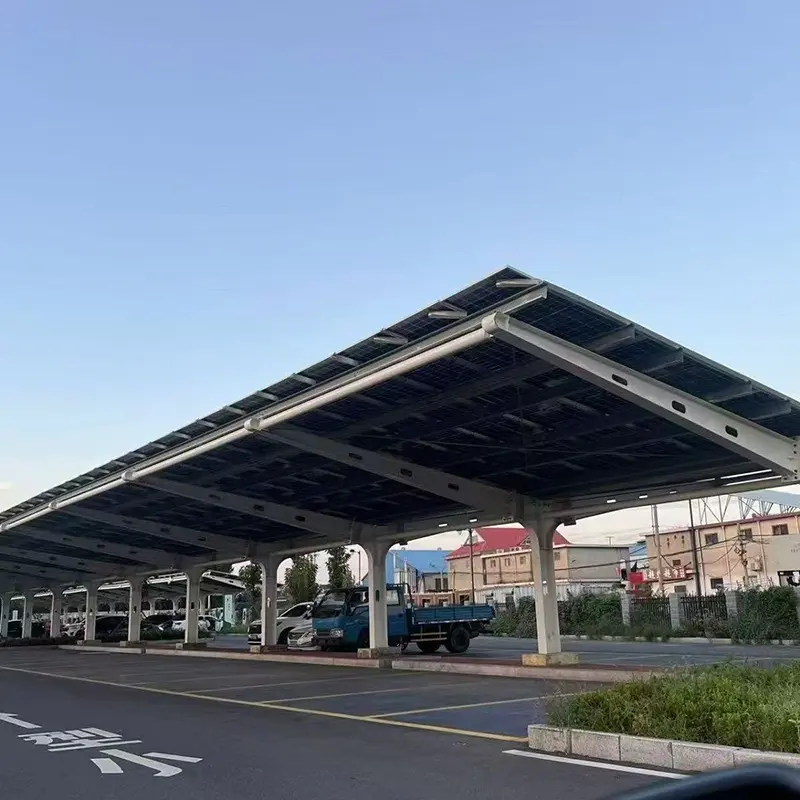
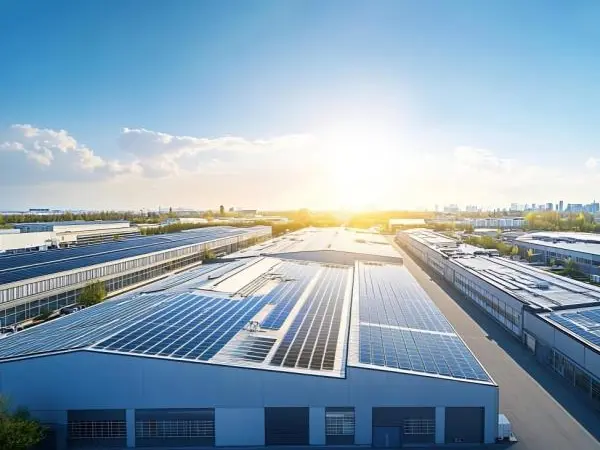
Commercial/industrial PV carports, ground-mounted PV racking, steel structures for PV tracking systems, and load-bearing steel frames for residential distributed PV.
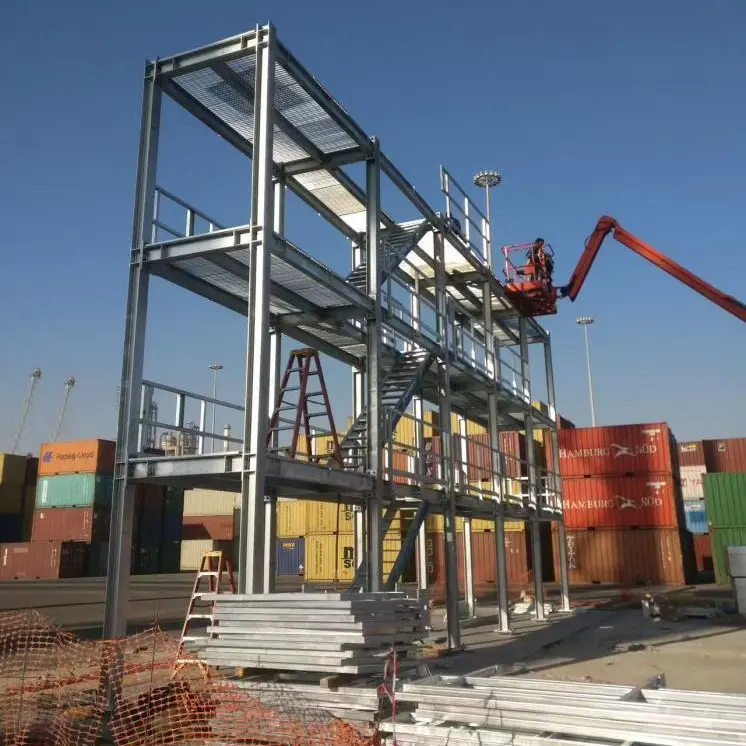
2. Industrial Facility Construction
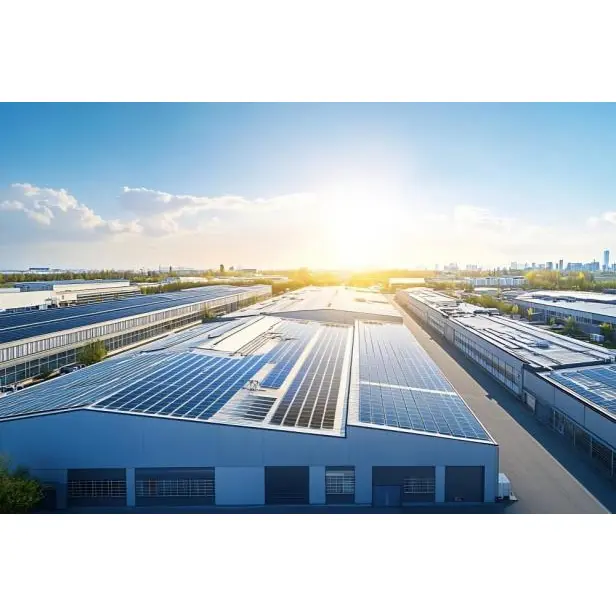
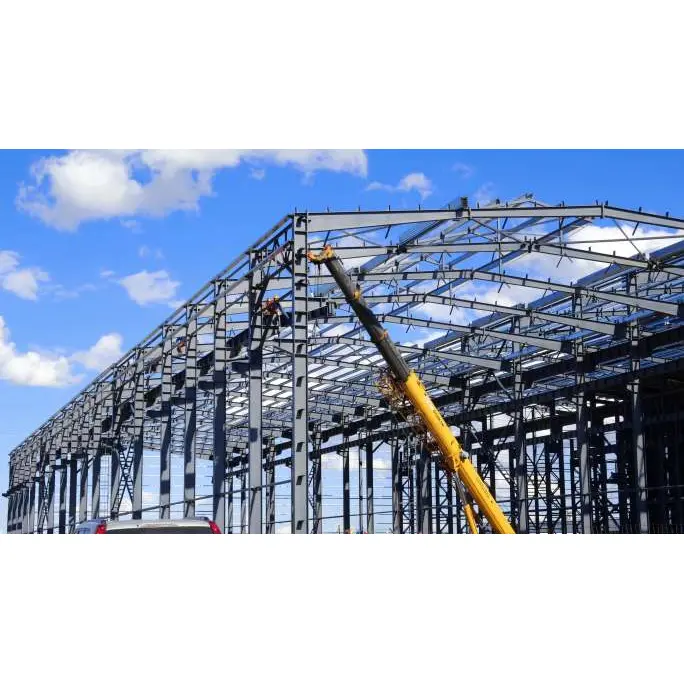
Standard steel-structure factory buildings, warehouse load-bearing frameworks, equipment maintenance platforms, factory safety railings, and steel bases for equipment.
3. Municipal Infrastructure Support
Fixed supports for utility tunnels, outdoor equipment bases, municipal safety frameworks, and steel structures for industrial park perimeter fencing.
4. Overseas Projects & Export
Steel structures for PV projects in Southeast Asia, the Middle East, and Europe; full-container exports designed to withstand coastal environments characterized by high temperatures and salinity. Proven Track Record: Extensive experience supplying over a hundred commercial and industrial PV carport projects and dozens of large-scale (10,000-ton class) steel-structure factory buildings nationwide; simultaneous support for overseas renewable energy EPC projects; and familiarity with both domestic and international engineering acceptance standards.
1. Raw Material Documentation: Official mill test certificates accompany every batch of steel, suitable for project inspection filings;
2. Third-Party Galvanization Reports: Certificates verifying zinc coating thickness, adhesion, and corrosion resistance are available upon testing;
3. Comprehensive Factory Inspection Records: Retrievable logs covering dimensions, visual appearance, and sampling inspections of the galvanized coating;
4. ISO System Documentation: Support for providing ISO factory system documentation and assistance in compiling CE certification data for export orders.
The factory operates an independent quality inspection workshop with dedicated inspectors for every process stage; dual inspections of semi-finished and finished products prevent defective items from reaching the shipping phase, ensuring consistent quality across bulk orders.
We operate our own steel cutting and welding lines and maintain long-term partnerships with major galvanizing plants. By managing the entire process internally, we offer significant price advantages on large orders and eliminate costs associated with multiple layers of distributors.
Production strictly adheres to design thickness specifications; we never substitute thick plates with thin materials or use recycled, low-quality steel. Load-bearing joints feature mandatory thickened connection plates, ensuring ample structural safety margins.
We do not cut corners on pickling or zinc-dipping times, nor do we neglect internal pipe corrosion protection for the sake of surface appearance. For coastal projects, we proactively recommend thickened zinc coating options to prevent future corrosion-related disputes.
We have worked with domestic general contractors and overseas engineering firms. We are well-versed in requirements for PV grid connection, factory completion inspections, and overseas customs documentation, preparing full inspection packages in advance to minimize coordination hassles for clients.
We pre-grind weld seams and remove zinc dross, while precisely pre-drilling installation holes. Clients receive components ready for assembly—eliminating the need for additional grinding or hole enlargement—thereby saving significant on-site labor costs.
Client-provided drawings: Precise material cutting and processing based directly on the drawings.
Site parameters only (no drawings): Our technical team optimizes the steel structure layout—factoring in local wind and snow loads—and produces detailed fabrication drawings at no extra cost.
Production schedules are updated in real-time; clients receive actual photos of welding, galvanizing, and finished product stages, ensuring full visibility of delivery timelines.
Shipments include steel material certificates, galvanizing inspection reports, factory quality checklists, and component assembly drawings, meeting all requirements for domestic inspections and overseas customs clearance/archiving.
We provide illustrated installation guides and offer one-on-one online support to resolve assembly challenges; for complex, large-scale projects, we provide remote guidance on construction layout and sequencing.
Domestic orders are shipped via direct full-truckload delivery to project sites, minimizing handling damage; export orders feature professional reinforcement and container loading capabilities, supporting various trade terms such as FOB and CIF.
Warranty coverage for the galvanized coating under normal use; free repair solutions provided in the event of extensive coating loss not caused by human-induced impact or cutting; lifelong technical consultation on anti-corrosion and modification of steel structures following project completion.
Support for small-batch sample production and testing; mass production proceeds only after confirmation of the zinc coating, dimensions, and workmanship, thereby reducing bulk procurement risks.
1. Packaging Methods: Small accessories are sorted into woven bags; large steel components are secured with strapping bands and fitted with edge protectors to prevent transport damage; export items are wrapped in waterproof film for moisture and rust protection.
2. Minimum Order Quantity (MOQ): No strict minimum; small-batch samples are available, though large-scale project orders offer better cost-efficiency.
3. Standard Lead Times: 7–12 days for standard specifications; 12–18 days for complex custom components; please communicate in advance during peak seasons to secure production scheduling.
4. Complete Procurement Process: Client provides drawings/site parameters → Technical assessment and quotation → Contract confirmation and deposit payment → Production scheduling and processing → Finished product quality inspection → Final payment and shipment arrangement → Delivery of full documentation with goods + after-sales support coordination.
1. Prioritize complete factory prefabrication to minimize on-site welding; any damage to the zinc coating at weld points must be fully repaired using specialized zinc-rich paint.
2. Use soft lifting slings during hoisting to prevent wire ropes from directly scratching or abrading the galvanized surface.
3. Store in a dry, well-ventilated area and avoid prolonged exposure to standing water; elevate the base of stacked materials to isolate them from ground moisture.
1. For standard inland environments, annual anti-corrosion treatment is unnecessary; simply rinsing off surface dust every five years suffices.
2. In coastal areas exposed to salt spray, rinse the surface with fresh water annually to remove salt deposits and slow the depletion of the zinc layer.
3. Promptly repair large dents or scratches with zinc-rich coating to prevent the underlying steel from remaining exposed for extended periods.
A: Hot‑Dip Galvanized Steel Structure is preferred for long-term outdoor use; painting is suitable for short-term indoor structures to save costs. Paint offers only surface protection and tends to peel or rust within 1–3 years, whereas galvanized steel structures can last over twenty years outdoors, resulting in a lower total cost of ownership.
A: Extensive on-site processing is not recommended, as cutting and welding damage the protective zinc layer. If on-site hot work is unavoidable, the damaged areas must be evenly coated with a specialized zinc-repair paint after completion to restore corrosion resistance.
A: The standard 85μm zinc layer used inland is unsuitable for coastal regions. For coastal projects, we offer customized, thicker zinc coatings (100–120μm) that significantly extend corrosion resistance, accompanied by third-party salt spray test reports.
A: No, these are not defects; they are natural byproducts of the high-temperature hot-dip galvanizing process and do not affect corrosion resistance or structural load-bearing capacity. Minor protrusions can simply be ground smooth for normal installation.
A: Partial processing is not possible; the hot-dip galvanizing process requires the entire component to be immersed in the molten zinc bath, forming a zinc layer across all surfaces simultaneously.
A: We provide steel mill material certificates, third-party galvanizing test reports, factory dimensional inspection records, and component assembly drawings—all suitable for domestic grid connection, factory acceptance inspections, and overseas customs clearance.
A: We have long-term experience handling export orders for steel structures. We can prepare packing lists, commercial invoices, and material test reports, and assist clients in completing customs clearance procedures for various countries.
Address
No. 2, Expressway Auxiliary Road, South Area of High-tech Industrial Park, Zitai Economic and Technological Development Zone, Tianjin, China
Tel